A new study, published in the journal Climate Change, is naming the names of the very few companies that have caused most of the global change in climate.


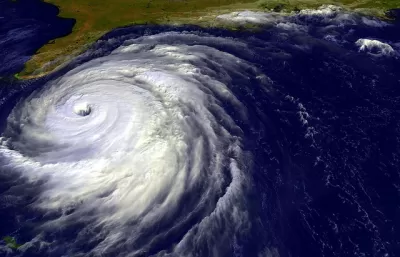
"We should be naming hurricanes after Exxon and Chevron, not Harvey and Irma."
"That’s the environmental group 350.org’s takeaway from a peer-reviewed study published today in the journal Climatic Change, which seeks to hold individual fossil fuel corporations accountable for causing global warming," reports Emily Atkin.
According to Atkin, "the study asserts that the 90 largest carbon producers—including BP, Chevron, ConocoPhillips, and ExxonMobil—have cumulatively caused up to 50 percent of the increase in global mean surface temperature since 1880, and up to 32 percent of global sea level rise. Investor-owned companies like BP, Chevron, ConocoPhillips, and ExxonMobil have caused 16 percent of the global average temperature increases and 11 percent of the global sea level rise…"
Read the full story: “We should be naming hurricanes after Exxon and Chevron, not Harvey and Irma.”

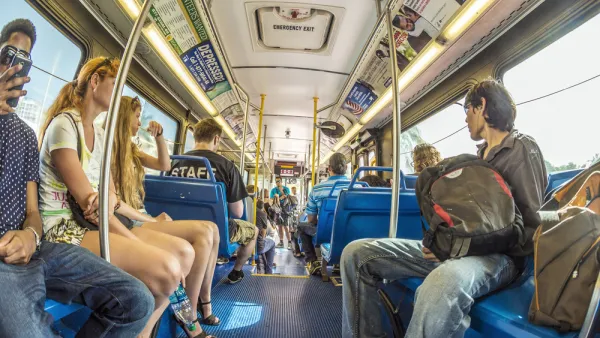
To Fight Climate Change, Support Public Transit
Electric cars may garner a lot of attention these days, but significantly reducing carbon emissions and urban congestion means investing in high-quality mass transit.
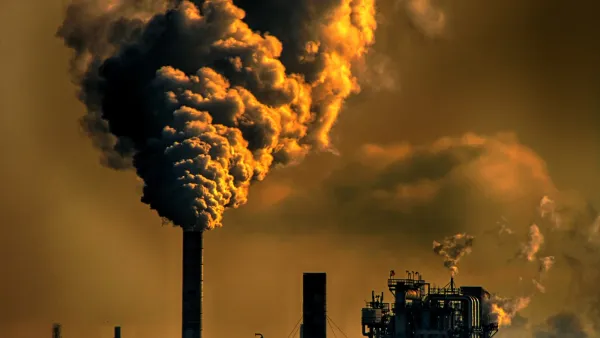
The Post-Pandemic Economy Could Be Dirtier Than Ever
The environmental gains at the beginning of the pandemic were only temporary., and there are signs more signs every day that the economy will be dirtier than ever in the future.
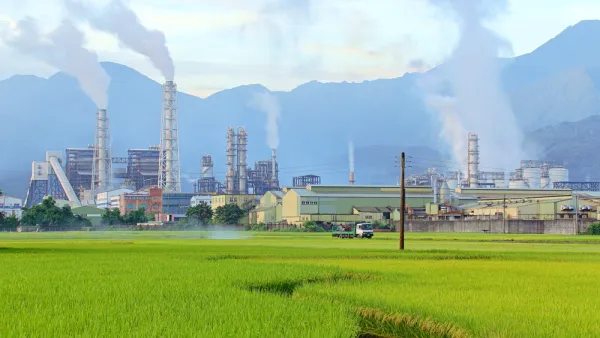
Carbon Emissions Down, but Not Drastically
Transportation activity is down considerably, but other sources of carbon dioxide are still going strong.

Planetizen Federal Action Tracker
A weekly monitor of how Trump’s orders and actions are impacting planners and planning in America.

The state-sanctioned urbicide of Austin
People don’t kill cities. Freeways do.

US to reduce Colorado River water deliveries to Mexico
A new Colorado Treaty amendment reduces Mexico’s Colorado River water allocation by 250,000 acre feet.

Nation's most wind-powered state turns to coal as data centers increase energy demand
For the first time in decades, Iowa has increased its generation of coal power.

NYC cools commuters with city's first rain garden above a bus stop
New York City officials say the plants in the rain garden can absorb 16 gallons of rainwater during heavy storms.

Brightline West’s future may rely on $6 billion federal loan
The company has until Nov. 2 to make a $400 million equity investment into its proposed high-speed rail line.

FREE Course: Walkable City 1: Why Walkability?
After describing his path towards focusing on walkability as the essence of good planning, Jeff Speck marches through his five principal reasons for making more walkable places.
Reinventing Malls: Planning Alchemy—Turning Gray Fields Into Gold
The course focuses on the opportunities and imperatives that shape reinvention of mall sites.

Greater Baltimore Committee
Eagle County Government
Harvard University Graduate School of Design
The Architects Foundation
University of Cincinnati Online
The Pocatello Development Authority
The Urban Renewal Agency of the City of Pocatello
Journal of the American Planning Association