By any measure, Seattle is growing at a breakneck pace. But with those new residents come cars, and all the infrastructure and land use inefficiencies they bring.


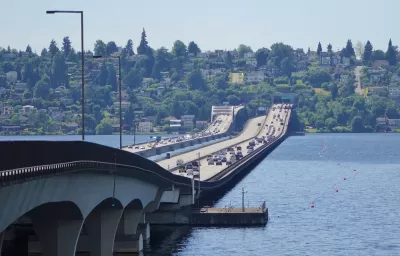
"You already know that Seattle is growing like crazy," writes Gene Balk. "What you may not know is that the city has added cars at the same rate as people."
Specifically, the city's population of humans grew by 12 percent between 2010 and 2015. The city's population of cars also grew by 12 percent over that period.
Seattle, it turns out, is much more car dependent than its reputation. "Among the 10 most densely populated big cities, Seattle easily has the most cars per capita — even more than Los Angeles," adds Balk.
Looking for causes for the city's dependency on the automobile, Balk notes the dominance of single-family zoning around the city—a symptom of its post-World War II growth. Also included in the article is a list of the consequences of Seattle's car-dependence—which expands, perhaps surprisingly, beyond concerns about congestion.
Read the full story: Booming Seattle is adding cars just as fast as people

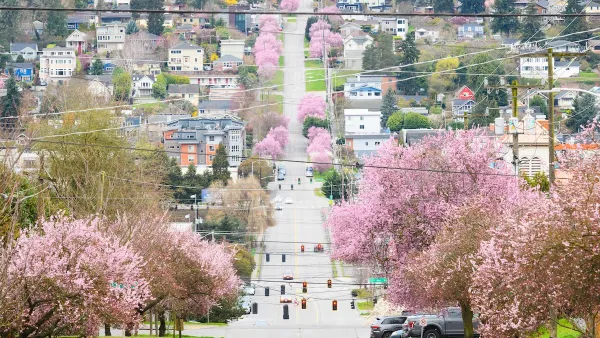
Opinion: Housing Versus Trees Is a False Choice; Swap Pavement for Trees Instead
Seattle’s goal to cover 30 percent of the city with tree canopy by 2037 doesn’t need to be sacrificed in favor of density. There’s a better way.
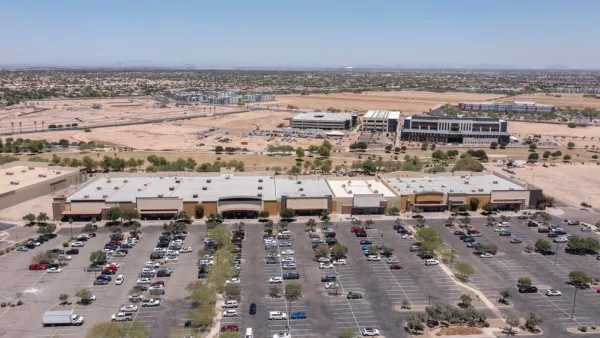
The Tragedy of Parking
Parking minimums and other zoning laws have made American cities untenable for any other type of transportation. It’s time we find a new way to zone our cities.
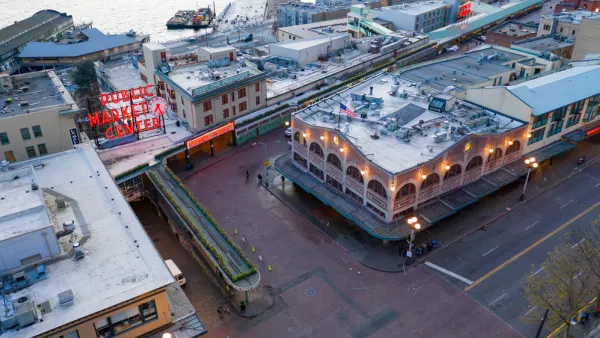
Seattle Times Editorial Board: Time for Pike Place Market to Go Car-Free
It's been more than a century since the Seattle City Council decided to remove farmstands to make space for cars at the Pike Place Market. Public and political opinion is starting to see that decision as a mistake that can be reversed.

Planetizen Federal Action Tracker
A weekly monitor of how Trump’s orders and actions are impacting planners and planning in America.
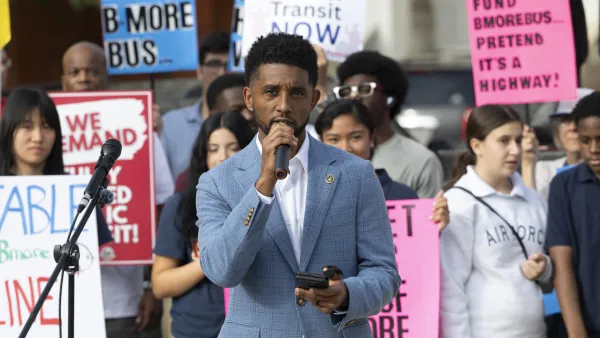
‘Going backwards:’ Baltimore mayor, students rally against state's transit funding plan
Maryland's proposed six-year plan provides no funding for Baltimore’s BMORE bus program and reduces its road maintenance funding.
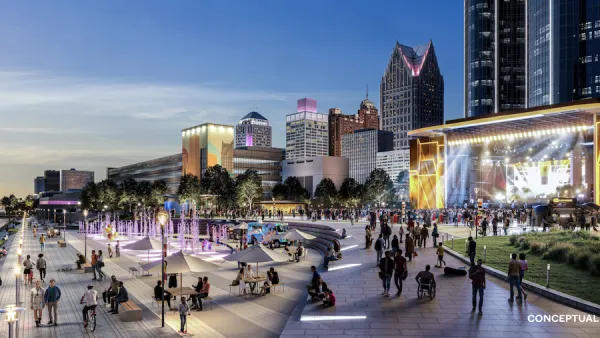
Detroit to transform waterfront with $2.2 billion investment
Developers will convert about 18 acres of unused parking lot space into civic spaces.

HUD, USDA agree on framework to simplify housing environmental review standards
Their agreement is a requirement of the 21st Century ROAD to Housing Act.

Cost of water rising at a faster pace than inflation, median household income
California and Maryland residents have seen their water bills grow especially high.

NYC building owners overwhelmingly comply with new emissions limits
The New York City Department of Buildings is fining owners who did not file emissions reports.

FREE Course: Walkable City 1: Why Walkability?
After describing his path towards focusing on walkability as the essence of good planning, Jeff Speck marches through his five principal reasons for making more walkable places.
Reinventing Malls: Planning Alchemy—Turning Gray Fields Into Gold
The course focuses on the opportunities and imperatives that shape reinvention of mall sites.

planning NEXT
City of Thousand Oaks
City of Wisconsin Rapids
The Architects Foundation
University of Cincinnati Online
Northern Illinois Transit Authority (NITA)
The Pocatello Development Authority
The Urban Renewal Agency of the City of Pocatello