The difference in lives saved between tsunamis that hit Crescent City, California in 1964 and 2011 was an early detection and warning system. Now it's up to Congress to save the $12 million system from the proposed cuts in Trump's budget.


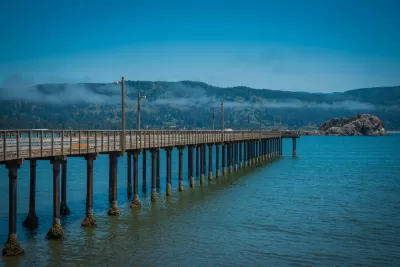
Rong-Gong Lin II reports on the fate of a tsunami detection system completed in 2008 and credited with giving hours of warning when a tsunami hit the California coast in 2011.
"President Trump’s proposed budget for the next fiscal year would end funding to operate the network, which would eventually shut it down," according to Lin. The article includes a lot more detail about how the system works, with its network of surface buoys, anchored sensors, satellites, and terrestrial warning centers.
As Planetizen documented in an article earlier this week, the House Appropriations Committee has rolled out bills recently that include funding for programs and initiatives targeted for cuts by the Trump Administration's draft budget. Neither Lin's article nor a follow-up article in the North Coast Journal had information about whether the House Appropriations Committee would act to save the system.
Read the full story: Trump's budget would kill a crucial piece of a global tsunami warning system, sparking alarm in California and beyond

Caltrans Plans $2 Billion Tunnel to Save Crumbling Coastal Highway
A roadway connecting Eureka and Crescent City is a lifeline for local residents, but its future is uncertain as rock slides force repeated closures.
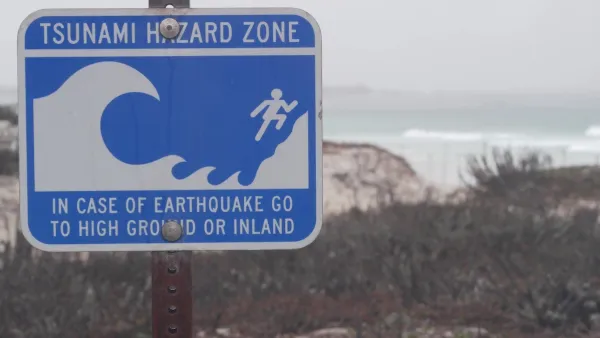
Washington State Requests Federal Funding for Tsunami Preparedness
The state’s Department of Natural Resources says it needs continued funding to map coastal areas at risk for tsunami impacts and prepare mitigation and evacuation plans.
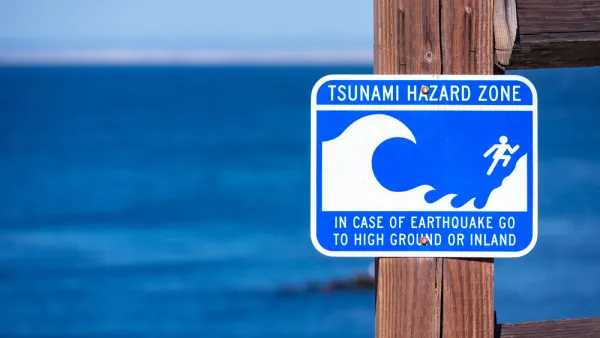
Tsunami Defenses a Tough Sell in the Pacific Northwest
The experience of communities and school districts attempting to build elevated structures for residents to wait out the high water of a tsunami, an inevitable threat in the Pacific Northwest, has been challenging and impossible to differing degrees.

Desperate measures: Advocates weigh draining Lake Powell to fill Colorado River
Draining the reservoir could reduce evaporation losses by a couple hundred thousand acre-feet.

Eastern Nebraska is running out of electricity
Data centers and electrification are straining eastern Nebraska’s grid, throttling economic development.

Move over, LA: St. Louis gears up for Olympics, invests millions in downtown redevelopment
The Missouri city will host the 2028 Olympic soccer group stage and knockout matches.

Mass. votes against statewide minimum lot size for single-family homes
Over 2 million residents voted on Question 7; it was decided by just over 30,000 votes.

Maryland’s $15 billion bridge project gains key approval
The Maryland Transit Authority said the project will create over 60,000 jobs and add $23 billion to the local economy.

‘No clear next steps’ for Chicago's permanent festival grounds
Eleventh Ward Ald. Nicole Lee has suggested Soldier Field as a possible location for the permanent event space.

FREE Course: Walkable City 1: Why Walkability?
After describing his path towards focusing on walkability as the essence of good planning, Jeff Speck marches through his five principal reasons for making more walkable places.
Reinventing Malls: Planning Alchemy—Turning Gray Fields Into Gold
The course focuses on the opportunities and imperatives that shape reinvention of mall sites.

City of Rosemead
Rutgers University, Edward J. Bloustein School of Planning and Public Policy
One Hundred Miles
University of Michigan School for Environment and Sustainability (SEAS)
Hunter College, City University of New York (CUNY)
The Architects Foundation
City of Cambridge
The Pocatello Development Authority
The Urban Renewal Agency of the City of Pocatello