A Kentucky Lantern series focuses on the challenges unhoused Kentuckians face and efforts to provide support and assistance.


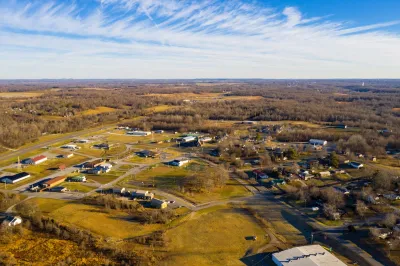
While homelessness is often perceived as an urban problem, service providers working in rural areas face a unique set of challenges. In Kentucky, rural homelessness rose from 650 in 2019 to over 1,000 in 2024, prompting calls for broader outreach throughout the state.
Liam Niemeyer, a reporter with the Kentucky Lantern who has been studying homelessness in the state, told WEKU that many rural former coal mining areas lack the resources that cities like Louisville or Nashville have to help people experiencing homelessness. “He said that while some can work, some struggle to find work, and having limited or no transportation to get them to a job does not help.”
In his latest article, Niemeyer profiles a Central City, Kentucky church that offered services to unhoused people. The church faces backlash from local residents for its plan to buy a local motel and turn it into supportive housing complete with medical and other services. Some residents worry about the potential impacts on the neighborhood and whether the shelter is necessary, while advocates point out that official homelessness counts likely understate the number of people who experience homelessness, particularly in rural areas where the Point-in-Time count is more difficult to conduct accurately.
FULL STORY: Rural homelessness brings a special set of problems for Kentuckians

Seattle mayor pledges to build 500 shelter units by June
The Seattle Times editorial board expresses cautious optimism about the mayor's ambitious supportive housing plan.
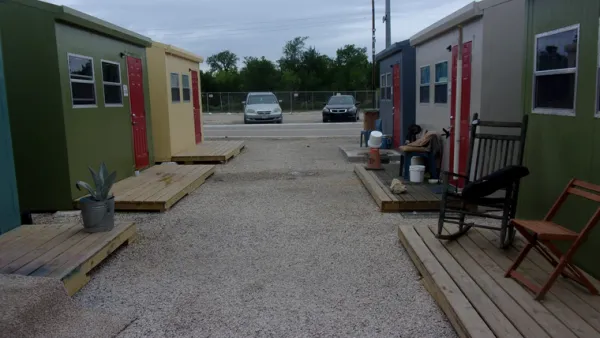
Austin Approves Over $10 Million for Homelessness Programs
The funding package supports emergency shelters totaling close to 500 beds.
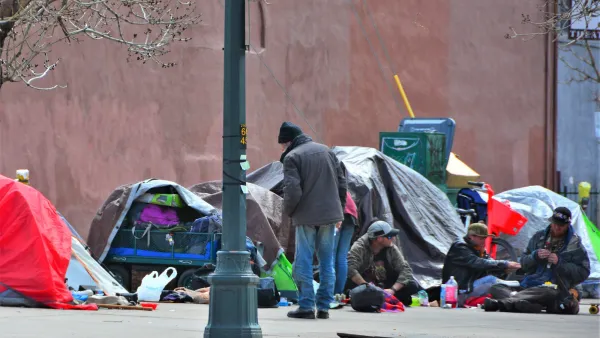
Denver Cut Unsheltered Homelessness Almost in Half Even as Unhoused Population Grows
While the total number of Denver residents without permanent housing is growing, the city has leveraged its resources to quickly create over 1,000 new emergency shelter beds.

Planetizen Federal Action Tracker
A weekly monitor of how Trump’s orders and actions are impacting planners and planning in America.

The state-sanctioned urbicide of Austin
People don’t kill cities. Freeways do.

US to reduce Colorado River water deliveries to Mexico
A new Colorado Treaty amendment reduces Mexico’s Colorado River water allocation by 250,000 acre feet.

5 New England states march closer to 800 megawatt wind energy project
Securing federal approval for the project may be complicated under the Trump administration, which has historically been hostile towards domestic wind power.

Baltimore to break ground on $50 million Transit Priority Project
The project will bring faster bus trips, safer streets and better bike connections to Baltimore.

Airbnb launches $250 million 'last-dollar financing' housing accelerator, makes first investment in Austin
The company will put $6.4 million towards affordable housing development in Texas’ capital.

FREE Course: Walkable City 1: Why Walkability?
After describing his path towards focusing on walkability as the essence of good planning, Jeff Speck marches through his five principal reasons for making more walkable places.
Reinventing Malls: Planning Alchemy—Turning Gray Fields Into Gold
The course focuses on the opportunities and imperatives that shape reinvention of mall sites.

Eagle County Government
Harvard University Graduate School of Design
Nashville Planning Department
The Architects Foundation
University of Cincinnati Online
The Pocatello Development Authority
The Urban Renewal Agency of the City of Pocatello
Journal of the American Planning Association