South Korea's capital enjoys better stations and more complete coverage from a train system that gets less of its money from government subsidies and charges lower fares.


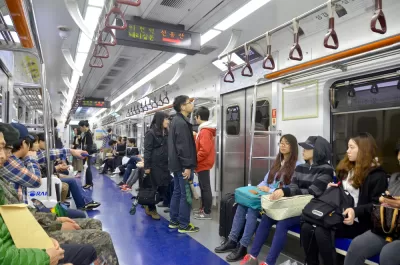
"[A] typical Seoul subway station is equipped with amenities and an attention to detail unknown to most American cities," Kelly Kasul claims in an article for Mic. The train stations are lively and pleasant, passengers can browse an underground bazaar: flower stands, convenience stores, jewelry kiosks, shoe bins and people in aprons cooking hot street food, such as rice rolls or spicy fish cakes," Kasul reports. But the trains themselves are also more accommodating, easier to navigate and exceptionally comfortable. "The same map is often visualized in different ways, so that even the most hopeless navigator can find their path. And once on the train, passengers are still able to get cell service and Wi-Fi, in addition to enjoying an air-conditioned climate in the summer, heated seats in the winter and a lively jingle that comes on to announce transfer stations," Kasul writes.
High ridership rates for the city's trains means that while the fares are cheaper (about $1.10 one way) than America cities like New York, Chicago, or Boston, the system doesn't need the level of government subsidy that those cities' train systems require.
Read the full story: The future of transportation is in Seoul, South Korea. Americans Should Pay Attention

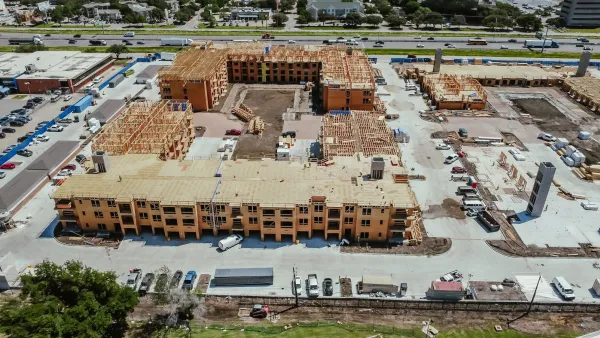
Controversial Texas housing law has 'directly facilitated' over 1,250 new homes
SB 840 allows developers to build multifamily housing by-right on lots zoned for commercial use without applying to a zoning change.
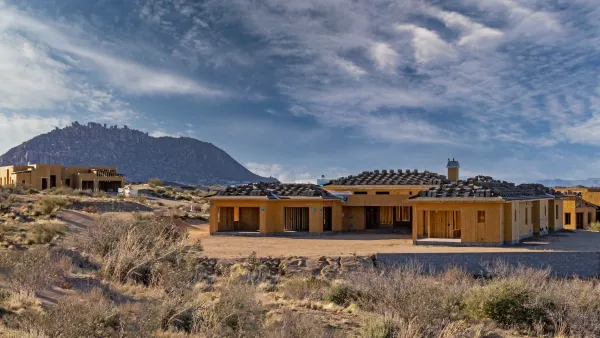
Planning Trends for 2026: States and Cities Take Initiative, Passenger Rail Gains Steam, and the Costs of AI Revealed
With federal funding for everything from transportation projects to housing assistance under threat, city and state governments are poised to take a stronger role in building strong, resilient local economies and public services.
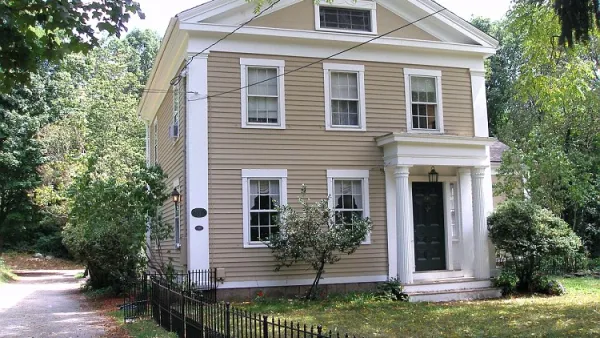
Small Connecticut Town Approves Controversial 96-Unit Apartment Complex
Just 1.4 percent of housing in the affluent enclave of Woodbridge qualifies as affordable.

Planetizen Federal Action Tracker
A weekly monitor of how Trump’s orders and actions are impacting planners and planning in America.

Amtrak, CN end decades-long dispute with eight-year agreement
The new operating agreement establishes an updated framework for the companies to work together, including processes to resolve disputes.

Judges permit Denver to divert 77,000 acre feet from the Colorado River for reservoir expansion
Overuse and climate change have caused the Colorado River’s water levels to plummet.

'Something we’ve never seen before:' rising utility rates could strain city finances nationwide
Data centers, climate change and other factors have caused utility rates in the United States to increase by 38% since 2020.

Trump to overrule local leaders, lease millions of acres of America’s Pacific Island territories’ seafloors to mining companies
International law says that the Indigenous people of America’s territories have a right to prior and informed consent regarding projects that impact their countries.

A ‘shady’ deal: Chicagoans rally against planned Amtrak maintenance facility
The $900 million facility would allow Amtrak to maintain entire trains in one building, which the company says will reduce delays.

FREE Course: Walkable City 1: Why Walkability?
After describing his path towards focusing on walkability as the essence of good planning, Jeff Speck marches through his five principal reasons for making more walkable places.
Reinventing Malls: Planning Alchemy—Turning Gray Fields Into Gold
The course focuses on the opportunities and imperatives that shape reinvention of mall sites.

KFH Group Inc.
Greater Baltimore Committee
Eagle County Government
The Architects Foundation
University of Cincinnati Online
The Pocatello Development Authority
The Urban Renewal Agency of the City of Pocatello