What happens when SXSW stops being polite, and starts getting real?


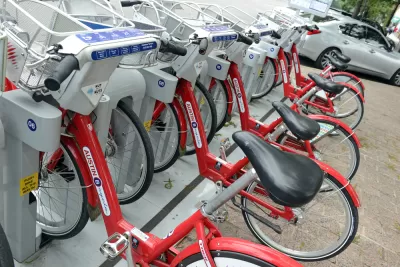
One of the big news stories to emerge from this year's SXSW in Austin was the outcry over the city's lack of transportation network companies. The city famously banned transportation network companies (TNCs) like Uber and Lyft from operating in the city in May 2016, and created apps like Fasten and RideAustin instead.
Last week, the chickens came home to roost, so to speak, as the tech, arts, and culture world descended on the Texas state capital for the first time since that momentous decision. Jen Kinney surveys the reaction of the SXSW crowd to the loss of convenience they encountered in Austin as a result of the TNC ban, as well as the chorus of criticisms about the unreliable functionality of the remaining trnaportation apps.
The appalled and outraged — pegged to be, by more than one publication, “tech bros” — accused the upstart apps of not doing proper testing, but they saved their greatest ire for the city of Austin itself, partly for not backing down on its regulation demands.
TechCrunch, Slate, and plenty of self-proclaimed "thought leaders" took to the Internet to discuss the state of Austin's transportation technology. Kinney provides links and context to get a good grasp on the ensuing controversies.
Read the full story: One Austinite Has a Suggestion for Those Outraged Over Uberless SXSW

Austin to Ban Cars From Popular Street on Weekends
An entertainment district in Austin will soon be the sole province of pedestrians on busy weekend nights.
AAA Study: Auto Ownership More Cost-Effective Than Ride-Hailing
Even after factoring in insurance, parking, depreciation, fuel, repair, maintenance and licensing, urban dwellers would pay half the costs to travel, on average, nearly 11,000 miles annually in their own new car rather than relying on ride-hailing.
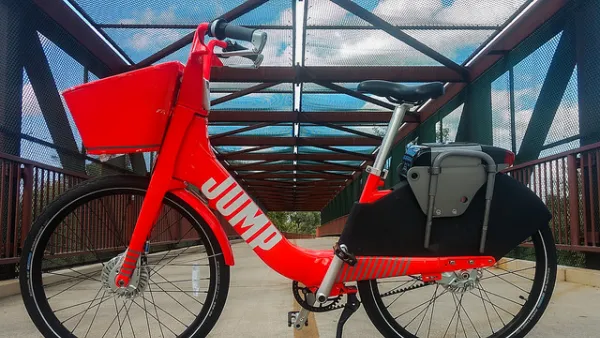
Uber Launches Jump Electric Bike Share in Austin
Austin is one of the first cities where users can use Uber's new bike share system, after the transportation network company branched out earlier this year.

Planetizen Federal Action Tracker
A weekly monitor of how Trump’s orders and actions are impacting planners and planning in America.

California plans to bury El Niño’s downpour
If the state plays its cards right, it may be able to store a billion acre-feet of El Niño’s water in aquifers.

Desperate measures: Advocates weigh draining Lake Powell to fill Colorado River
Draining the reservoir could reduce evaporation losses by a couple hundred thousand acre-feet.

In Texas, data centers are swallowing promised parkland
Residents who moved to Taylor, Texas for a rural community now have to contend with three data centers in their backyard.

How a Chicago-sized wind farm beat the odds and powered on
The project spanned five presidential administrations and a standoff with a U.S. military base.

MTA gives itself 30 days to transform pit into basketball court
The site has been under construction since 2022; the city originally estimated it would finish the court in 2024.

FREE Course: Walkable City 1: Why Walkability?
After describing his path towards focusing on walkability as the essence of good planning, Jeff Speck marches through his five principal reasons for making more walkable places.
Reinventing Malls: Planning Alchemy—Turning Gray Fields Into Gold
The course focuses on the opportunities and imperatives that shape reinvention of mall sites.

City of Rosemead
Rutgers University, Edward J. Bloustein School of Planning and Public Policy
One Hundred Miles
Hunter College, City University of New York (CUNY)
The Architects Foundation
University of Cincinnati Online
City of Cambridge
Montrose County
The Pocatello Development Authority