An entertainment district in Austin will soon be the sole province of pedestrians on busy weekend nights.


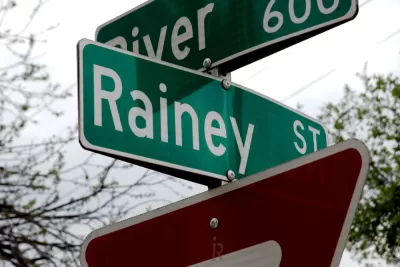
The city of Austin will test a plan to deal with traffic safety and congestion issues on the entertainment hub of Rainey Street by blocking cars from the streets in the evening, Thursday through Sunday.
Mary Huber reports on the city's plans for the busy corridor, where pedestrians regularly overflow onto the street and mix with vehicles traffic. The city will test the idea from December 5 through March 8. The idea has supporters and detractors.
"But while some bar patrons and business owners support the plan, many of the residents who live in Rainey’s high-rise condo buildings have come out strongly against the street closure, saying that, in addition to being a major inconvenience for them as they try to get to their homes and condos, it also poses a safety concern as traffic builds up on the side streets of the dense neighborhood with only one north-south thoroughfare," writes Huber.
Local residents are pressing for a suite of other infrastructure changes, many of which are included in the Austin Core Transportation Plan, expected for release next year.
Read the full story: Austin to ban cars from Rainey Street on weekend nights

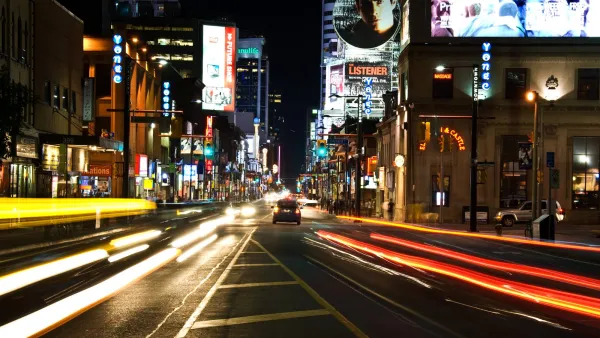
Pedestrian-Friendly Makeover of a Busy Toronto Street Stops Short of the Car-Free Ideal
The yongeTOmorrrow project is heading toward the finish line with widespread support from advocates, but a few want the plan to go one step further.
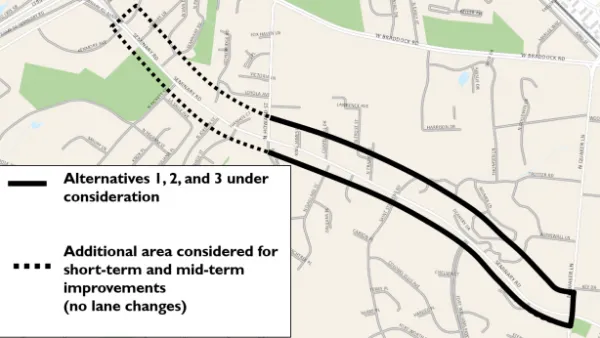
When it Comes to Road Diets, Evidence Doesn't Matter
Drivers are a powerful enough lobby to overcome all evidence of the need to redesign streets for safety. Examples from Maryland and Virginia provide the latest case studies in Vision Zero futility.
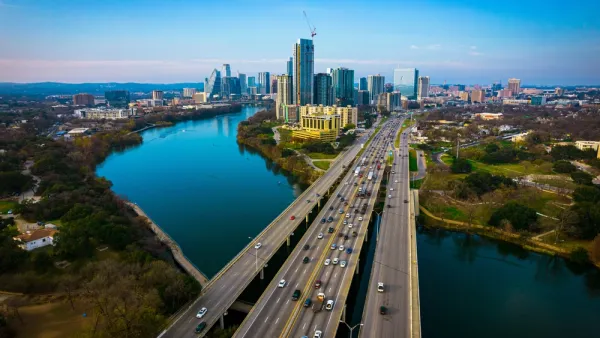
Controversial Highway Widening Breaks Ground in Austin
Texas’ transportation priorities were on display in March—a few days after the gutting of a transit plan, a highway expansion broke ground depite years of local opposition.

Planetizen Federal Action Tracker
A weekly monitor of how Trump’s orders and actions are impacting planners and planning in America.

California plans to bury El Niño’s downpour
If the state plays its cards right, it may be able to store a billion acre-feet of El Niño’s water in aquifers.

Chicago breaks ground on $3 billion megadevelopment
The new neighborhood, titled Foundry Park, will one day host 3,700 residences.

Satanic Place Names
From streams and lakes to valleys and canyons, I mapped more than 1,000 places named after the Devil.

California High-Speed Rail Authority CEO resigns after $600,000 scandal
Under Ian Choudri, the authority used taxpayer dollars to fund first class flights and trips to nightclubs.

Want to study the Missouri River? Soon, you may need unanimous approval from 10 states
Legislation would require 10 governors’ permission to study or build projects moving water outside the basin.

FREE Course: Walkable City 1: Why Walkability?
After describing his path towards focusing on walkability as the essence of good planning, Jeff Speck marches through his five principal reasons for making more walkable places.
Reinventing Malls: Planning Alchemy—Turning Gray Fields Into Gold
The course focuses on the opportunities and imperatives that shape reinvention of mall sites.

City of Rosemead
Rutgers University, Edward J. Bloustein School of Planning and Public Policy
One Hundred Miles
Hunter College, City University of New York (CUNY)
The Architects Foundation
University of Cincinnati Online
City of Cambridge
Montrose County
The Pocatello Development Authority