In San Francisco, many who drive for Uber sleep in parking lots and live elsewhere to avoid sky-high rents.


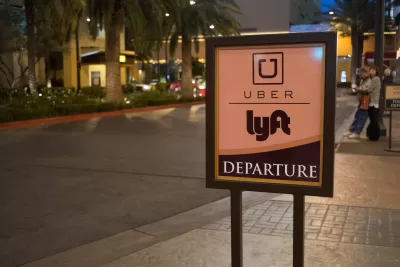
According to a Bloomberg article from Eric Newcomer and Olivia Zaleski, many of the best places to drive for Uber, in terms of regular work and high surge prices, are also the most expensive places to live—places like San Francisco, where high home prices and rents are slowing the economy and pushing out working families. One driver the reports spoke to, German Tugas, "… drives over 70 hours a week in San Francisco, where the work is steadier and fares are higher than in his hometown, Sacramento." After work, "He and at least a half dozen other Uber drivers gathered in the Social Safeway parking lot to sleep in their cars before another long day of driving." While Uber touts the ability of its drivers to work part time, Newcomer and Zaleski contend, "In a sense, drivers sleeping in their cars typifies, in an extreme way, what Uber said it does best: offer drivers flexibility."
"The vast majority of Uber’s full-time drivers return home to their beds at the end of a day’s work. But all over the country, there are many who don’t," Newcomer and Zaleski report. "In Chicago, drivers call the 7-11 at the intersection of Wrightwood & north Lincoln Avenue the 'Uber Terminal.'" Even in the relatively less expensive midwest, Newcomer and Zaleski spoke to a driver who sleeps in that parking lot and lives in Indiana. It's an issue that's unlikely to go away any time soon.
Read the full story: When Their Shifts End, Uber Drivers Set Up Camp in Parking Lots Across the U.S.

Chicago Regulates Uber and Lyft—but Not Enough to Satisfy Taxi Companies
The Chicago City Council passed an ordinance to regulate companies like Uber and Lyft, but taxi cab companies and their political supporters believe the policy set by the Emanuel Administration doesn't go far enough.
New Research Connects Land Use to Ride-Hailing Trips
Many of the places in Chicago generating the most ride-hailing trips with services like Uber and Lyft are accessible by transit, according to new research.

The Uber Story
A new book traces the path of the influential mobility company from its earliest days and through its many organizational and leadership ups and downs.

Planetizen Federal Action Tracker
A weekly monitor of how Trump’s orders and actions are impacting planners and planning in America.

Colorado’s Largest Data Center Could Rise Next to Homes — Without a Public Hearing
The proposed campus would consume 11 times the power of Denver International Airport; as it has across the country, opposition mounts.

US to reduce Colorado River water deliveries to Mexico
A new Colorado Treaty amendment reduces Mexico’s Colorado River water allocation by 250,000 acre feet.

Judges permit Denver to divert 77,000 acre feet from the Colorado River for reservoir expansion
Overuse and climate change have caused the Colorado River’s water levels to plummet.
Amtrak, CN end decades-long dispute with eight-year agreement
The new operating agreement establishes an updated framework for the companies to work together, including processes to resolve disputes.

Raised interest rates may kill financially vulnerable construction projects
The chief economist at ConstructConnect warns that if construction project owners are negatively impacted by the raised rates, it could result in delayed payments to contractors.

FREE Course: Walkable City 1: Why Walkability?
After describing his path towards focusing on walkability as the essence of good planning, Jeff Speck marches through his five principal reasons for making more walkable places.
Reinventing Malls: Planning Alchemy—Turning Gray Fields Into Gold
The course focuses on the opportunities and imperatives that shape reinvention of mall sites.

KFH Group Inc.
Greater Baltimore Committee
Eagle County Government
The Architects Foundation
University of Cincinnati Online
The Pocatello Development Authority
The Urban Renewal Agency of the City of Pocatello