Small, self-navigating boats may soon ferry around passengers and cargo on Amsterdam's famed canals, with a prototype scheduled to hit the water next year.


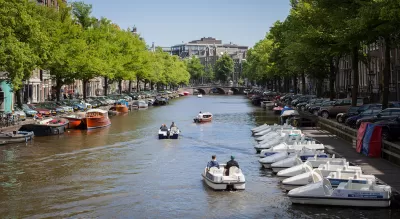
It was only a matter of time before self-driving vehicles moved to the water. As James Vincent of The Verge reports, a collaboration between MIT and two Dutch universities is working on developing the autonomous vehicles as part of a five year research initiative from the Amsterdam Institute for Metropolitan Solutions (AMS). The floating vehicles will be capable of navigating the city's canals, carrying both passengers and freight. The Roboats can also be linked together to create impromptu bridges across the water.
...the Roboat project will also explore the creation of data-gathering robots to help with public health issues. This will build upon work done by MIT's Underworlds Initiative, which wants to put sensors in sewer systems to watch the ebb and flow of disease.
AMS's investment in the project may result in commercial benefits if other cities see value in the project. The first prototype Roboat may be on the water by 2017.
Read the full story: Self-driving boats will be tested on Amsterdam's canals next year
A New Approach to Flood Control Makes 'Room for the River'
A radical approach to flood control in the Netherlands will expand the flood plain of the River Waal while also creating new neighborhoods where people can live and work.
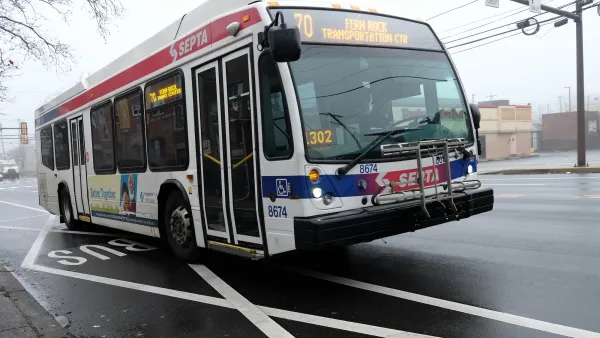
Pennsylvania lawmaker wants to ban fully self-driving buses
State Rep. Ben Waxman's proposed bill would require autonomous buses to have a licensed driver on board.

Amazon's steering wheel- and brake pedal-less Zoox robotaxis receive nation's first go-ahead for paid public rides
The NHTSA is giving a temporary permit to some autonomous cars that don't meet current safety standards as it develops a new framework for self-driving vehicles.

Planetizen Federal Action Tracker
A weekly monitor of how Trump’s orders and actions are impacting planners and planning in America.

Eastern Nebraska is running out of electricity
Data centers and electrification are straining eastern Nebraska’s grid, throttling economic development.

Move over, LA: St. Louis gears up for Olympics, invests millions in downtown redevelopment
The Missouri city will host the 2028 Olympic soccer group stage and knockout matches.

Dallas releases zoning code overhaul to officials
The drafted overhaul is over 400 pages long.

NYC renovations for dangerous, ‘mercilessly crammed’ street delayed until 2027
Construction was supposed to begin this fall.

San Diego’s Midway Rising project gets greenlight from city council
The project looks to become the largest affordable housing development in California's history.

FREE Course: Walkable City 1: Why Walkability?
After describing his path towards focusing on walkability as the essence of good planning, Jeff Speck marches through his five principal reasons for making more walkable places.
Reinventing Malls: Planning Alchemy—Turning Gray Fields Into Gold
The course focuses on the opportunities and imperatives that shape reinvention of mall sites.

City of Rosemead
Rutgers University, Edward J. Bloustein School of Planning and Public Policy
One Hundred Miles
University of Michigan School for Environment and Sustainability (SEAS)
Hunter College, City University of New York (CUNY)
The Architects Foundation
City of Cambridge
The Pocatello Development Authority
The Urban Renewal Agency of the City of Pocatello