An introductory lesson in mixed-use development produces lessons and resources for obesity reduction.


An article by Tim Chen notes the growing obesity rates around the world—now a trend in developing countries as well as the developed world—before identifying planning as a potential source of obesity prevention measures. Initiatives to curb obesity are plentiful, but a strategy based in the discipline of city planning merits particular attention, especially in rapidly developing environments where the most impact could be made."
Chen thus examines mixed use development as the organizing idea behind these obesity prevention measures, calling on David Osrin, a professor of Global Health at University College London and Senior Research Fellow at the Wellcome Trust, to explain the details.
"The link between obesity and our modes of transport may seem tenuous. But, when there is a mixture of places offering a variety of functions within an accessible distance, rates of active transport increase; countries with the highest levels of active transport also have the lowest obesity rates," writes Chen.
Read the full story: Diet From Design: How City Planning Can Prevent Obesity

Walkable Cities Change Behavior, All Over the World
Study finds people walk more in denser cities with more parks no matter what their country of origin.
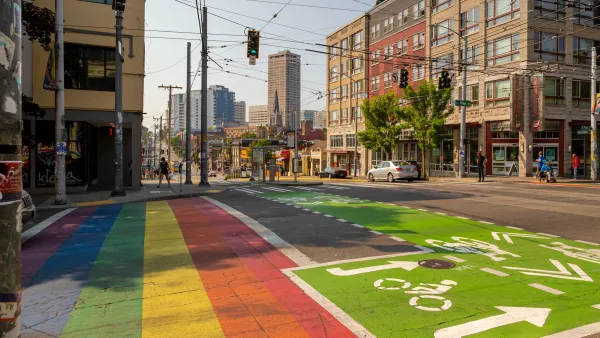
Seattle Creates 4 ‘Low-pollution Neighborhoods’
The pilot program is designed to reduce air pollution and increase access to transit and safe walking and biking infrastructure.

From SoHo to SoDoSoPa
How zoning made great neighborhoods illegal to build, and preordained gentrification.

Planetizen Federal Action Tracker
A weekly monitor of how Trump’s orders and actions are impacting planners and planning in America.

Eastern Nebraska is running out of electricity
Data centers and electrification are straining eastern Nebraska’s grid, throttling economic development.

Move over, LA: St. Louis gears up for Olympics, invests millions in downtown redevelopment
The Missouri city will host the 2028 Olympic soccer group stage and knockout matches.

Dallas releases zoning code overhaul to officials
The drafted overhaul is over 400 pages long.

NYC renovations for dangerous, ‘mercilessly crammed’ street delayed until 2027
Construction was supposed to begin this fall.

San Diego’s Midway Rising project gets greenlight from city council
The project looks to become the largest affordable housing development in California's history.

FREE Course: Walkable City 1: Why Walkability?
After describing his path towards focusing on walkability as the essence of good planning, Jeff Speck marches through his five principal reasons for making more walkable places.
Reinventing Malls: Planning Alchemy—Turning Gray Fields Into Gold
The course focuses on the opportunities and imperatives that shape reinvention of mall sites.

City of Rosemead
Rutgers University, Edward J. Bloustein School of Planning and Public Policy
One Hundred Miles
University of Michigan School for Environment and Sustainability (SEAS)
Hunter College, City University of New York (CUNY)
The Architects Foundation
City of Cambridge
The Pocatello Development Authority
The Urban Renewal Agency of the City of Pocatello