Kinder Institute director William Fulton discusses Houston's changing demographics and economic prospects. He sees the city as a place to pioneer and implement solutions to Sun Belt problems.


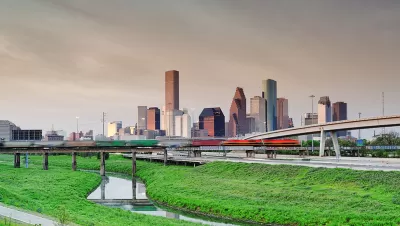
In an interview with Next City publisher Tom Dallessio, Kinder Institute head William Fulton says Houston can and should become a leader in Sun Belt urban innovation. Having served as mayor of Ventura, California, Fulton arrived in a Houston on the verge of rapid change.
"I'm amazed at what a dynamic urban place Houston is. It has been having its moment on the national stage recently with the Bayou Greenways plan, the reimagining of the bus system, new bike plan and two new light-rail lines. It's becoming recognized by major urban organizations as a place that is equipped to deal with the emerging issues affecting the entire Sun Belt."
On the demographic front, "Houston is moving past the old white/black dynamic to much more of a melting pot. There are more Vietnamese people in Houston than in any other area of the U.S. outside of California." Like much of the Sun Belt, Houston now boasts a large Latino population, nearly half of the total.
If Houston surpasses Chicago to become the third most populous city in the nation, Fulton argues it should also develop leadership approaches to flood resilience and equitable development.
FULL STORY: Why Houston Can Lead Urban Change in the Sun Belt

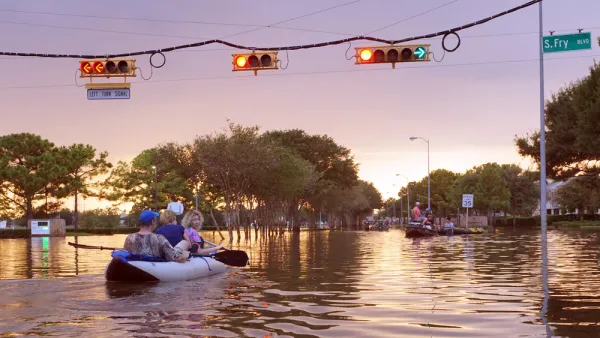
Flooding Less of a Concern as Hurricane Memories Fade
Residents of Houston are less likely to think of flooding as a concern, or to think development should be prohibited in flood-prone areas, as in the years immediately following Hurricane Harvey.
Flood Plans, Green Infrastructure Take Center Stage in Houston's Mayoral Race
The city of Houston will decide their next mayor in November, in a rematch of the two candidates who ran against each other in a tight runoff election in 2015 as well as a host of additional candidates.
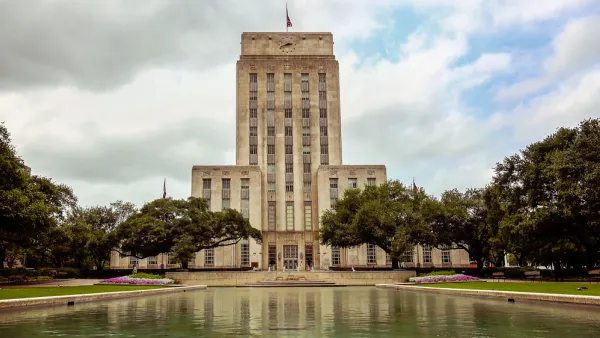
Up and Running: The Speedy Recovery of Houston's City Hall
Following Hurricane Harvey, Houston's City Hall became flooded with four feet of water, rendering the building's electrical and mechanical equipment useless. Restoring power back to City Hall quickly was crucial in aiding the recovery efforts.

The state-sanctioned urbicide of Austin
People don’t kill cities. Freeways do.

US to reduce Colorado River water deliveries to Mexico
A new Colorado Treaty amendment reduces Mexico’s Colorado River water allocation by 250,000 acre feet.

New Jersey’s second-largest city bans standalone data centers
Jersey City will continue to allow co-location facilities, such as those meant for research institutions that store their own data.

Amtrak not solely to blame for New Jersey commuter rail's unreliability, report finds
A new study from the Garden State Initiative found that NJ Transit’s budget grew 20% across a 4 year period, but reliability declined significantly over the same period.

EPA erases limits on planet-warming pollution from power plants
Under Monday’s plan, power plants would still have some limits on how much mercury, arsenic and other contaminants they can emit.

Phoenix announces new on-demand transit service, more frequent RAPID buses
Both new services will launch in October, and are part of Phoenix's Project Effective Access Solutions for Easing Congestion.

FREE Course: Walkable City 1: Why Walkability?
After describing his path towards focusing on walkability as the essence of good planning, Jeff Speck marches through his five principal reasons for making more walkable places.
Reinventing Malls: Planning Alchemy—Turning Gray Fields Into Gold
The course focuses on the opportunities and imperatives that shape reinvention of mall sites.

Eagle County Government
Harvard University Graduate School of Design
Nashville Planning Department
The Architects Foundation
University of Cincinnati Online
The Pocatello Development Authority
The Urban Renewal Agency of the City of Pocatello
Journal of the American Planning Association