Kinder Institute for Urban Research
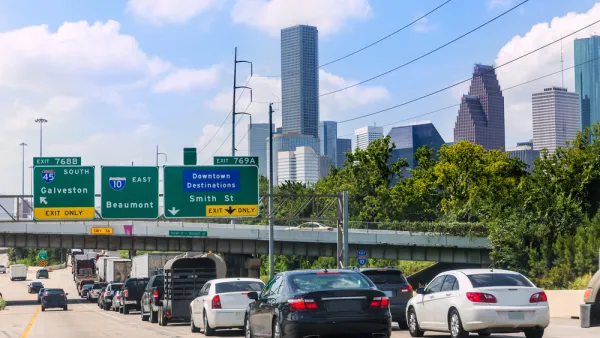
Houston’s Equity Score Leaves Room for Improvement
Houston is an international city, with a diverse population and economy. Its equity indicators, however, are relatively average compared to other U.S. cities.
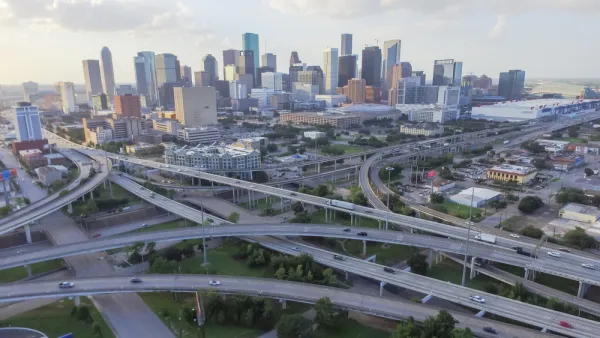
Sun Belt Cities Are Facing Many Changes and Challenges
Cities across this swath of the country have rapidly growing populations and economies. At the same time, Sun Belt cities are contending with a common host of urban issues that should not be overlooked.
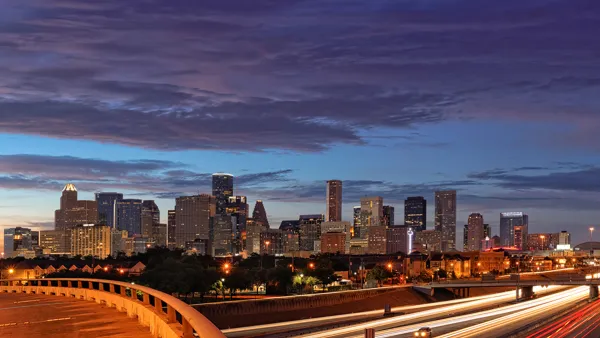
Changes in Houston Over the Last Decade
Comparing Houston in 2010 to the city today reveals a variety of transportation, infrastructure, and economic changes.
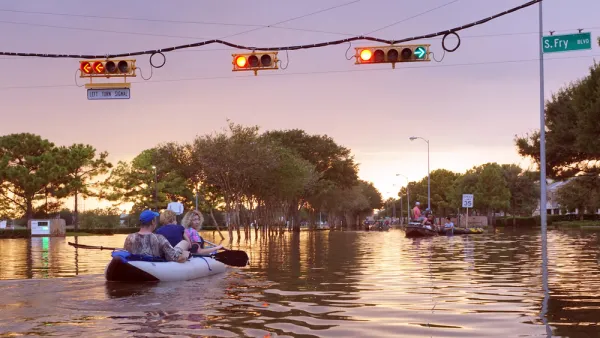
Flooding Less of a Concern as Hurricane Memories Fade
Residents of Houston are less likely to think of flooding as a concern, or to think development should be prohibited in flood-prone areas, as in the years immediately following Hurricane Harvey.
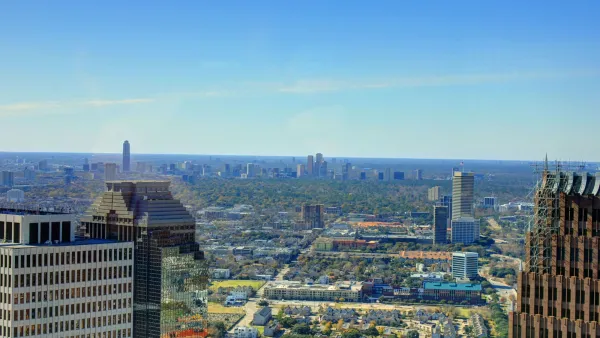
Gentrification Threat Spreading in Houston, Particularly on City’s East Side
A decrease in affordable housing, the aftermath of Hurricane Harvey, and demographic changes mean more of the city’s neighborhoods are facing gentrification challenges.
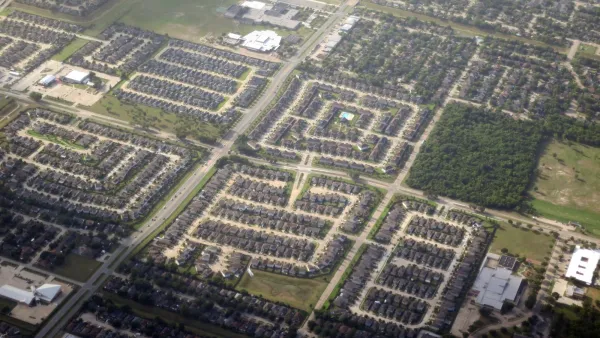
Houston’s Growth Poses Service Challenges
The Houston region continues to grow, and local regional governance is struggling to meet residents’ needs.
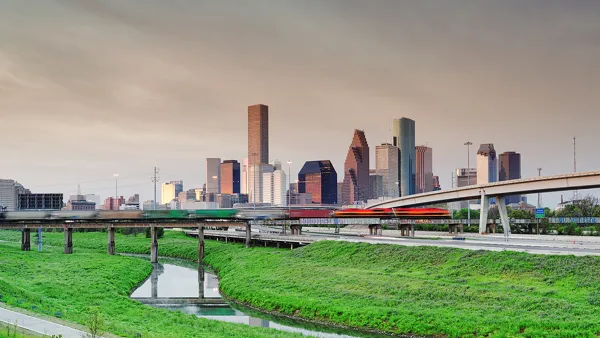
Opportunities for Urban Innovation in Houston
Kinder Institute director William Fulton discusses Houston's changing demographics and economic prospects. He sees the city as a place to pioneer and implement solutions to Sun Belt problems.
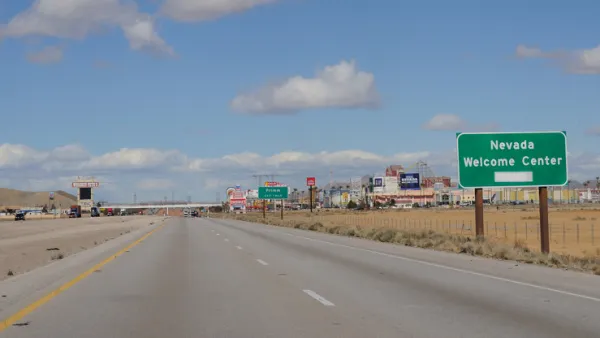
Lessons Learned from Decades of California Planning
Since the 1980s, California has been both a beacon of cutting-edge urban policy and an example of the ways planning can go awry.

FREE Course: Walkable City 1: Why Walkability?
After describing his path towards focusing on walkability as the essence of good planning, Jeff Speck marches through his five principal reasons for making more walkable places.
Reinventing Malls: Planning Alchemy—Turning Gray Fields Into Gold
The course focuses on the opportunities and imperatives that shape reinvention of mall sites.

City of Rosemead
Rutgers University, Edward J. Bloustein School of Planning and Public Policy
One Hundred Miles
University of Michigan School for Environment and Sustainability (SEAS)
Hunter College, City University of New York (CUNY)
The Architects Foundation
City of Cambridge
Montrose County
The Pocatello Development Authority









