A decrease in affordable housing, the aftermath of Hurricane Harvey, and demographic changes mean more of the city’s neighborhoods are facing gentrification challenges.


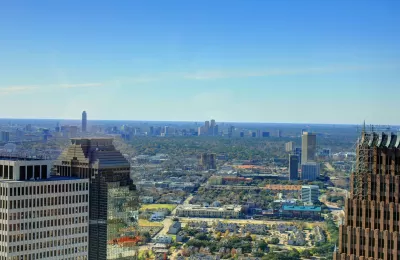
A new report from the Kinder Institute for Urban Research at Rice University looks at neighborhoods in Houston that are facing the threat of gentrification or could in the future. These neighborhoods were identified through socioeconomic, housing, transportation, and location factors.
The study finds that gentrification is on the rise in Harris County, but it is distributed unevenly. Most gentrified neighborhoods are located outside of the 610 Loop. However, all neighborhoods on the east side of Houston within the loop are susceptible to future gentrification.
Communities have tried to rein in gentrification through policies including land use regulations, deed restrictions, and homestead exemptions as well as through land trusts and community engagement. "The researchers hope their work will not only shine a spotlight on the prevalence of gentrification and the problems it causes, but also help cities and communities think about how they can help low-income residents remain in their neighborhoods," reports Amy McCaig.
FULL STORY: Neighborhoods on Houston’s east side highly susceptible to gentrification

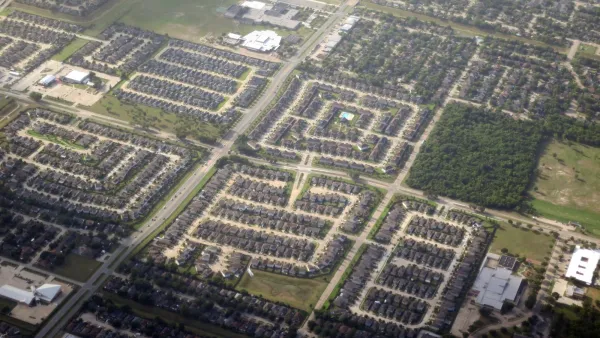
Houston’s Growth Poses Service Challenges
The Houston region continues to grow, and local regional governance is struggling to meet residents’ needs.
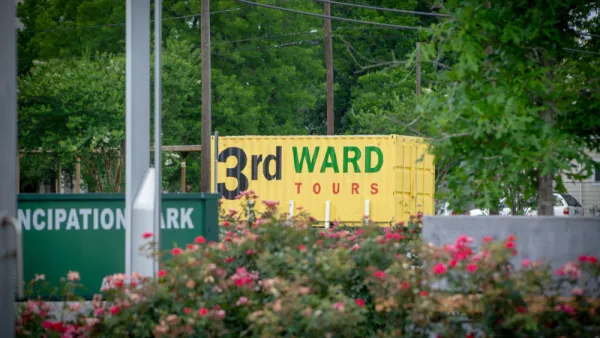
Surprising New Research on Gentrification in Houston
Affluent areas face more demolitions than gentrifying areas in Houston and Harris County, according to the findings of a new report from the Kinder Institute of Urban research.
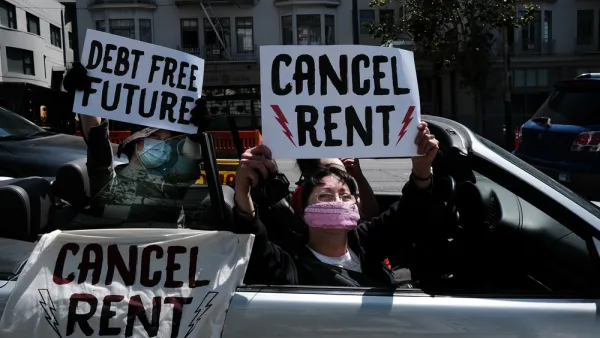
A Housing and Eviction Crisis Still Hangs Over the U.S., Just Like the Pandemic
Checking in with the numerous risks in the housing market as the economic fallout of the pandemic as approaches it approaches its second year.

Planetizen Federal Action Tracker
A weekly monitor of how Trump’s orders and actions are impacting planners and planning in America.

The state-sanctioned urbicide of Austin
People don’t kill cities. Freeways do.

US to reduce Colorado River water deliveries to Mexico
A new Colorado Treaty amendment reduces Mexico’s Colorado River water allocation by 250,000 acre feet.

5 New England states march closer to 800 megawatt wind energy project
Securing federal approval for the project may be complicated under the Trump administration, which has historically been hostile towards domestic wind power.

Baltimore to break ground on $50 million Transit Priority Project
The project will bring faster bus trips, safer streets and better bike connections to Baltimore.

Airbnb launches $250 million 'last-dollar financing' housing accelerator, makes first investment in Austin
The company will put $6.4 million towards affordable housing development in Texas’ capital.

FREE Course: Walkable City 1: Why Walkability?
After describing his path towards focusing on walkability as the essence of good planning, Jeff Speck marches through his five principal reasons for making more walkable places.
Reinventing Malls: Planning Alchemy—Turning Gray Fields Into Gold
The course focuses on the opportunities and imperatives that shape reinvention of mall sites.


Eagle County Government
Harvard University Graduate School of Design
Nashville Planning Department
The Architects Foundation
University of Cincinnati Online
The Pocatello Development Authority
The Urban Renewal Agency of the City of Pocatello
Journal of the American Planning Association