As a number of Western States raise their speed limits, the costs of road maintenance, environmental damage, and lost lives keeps going up.


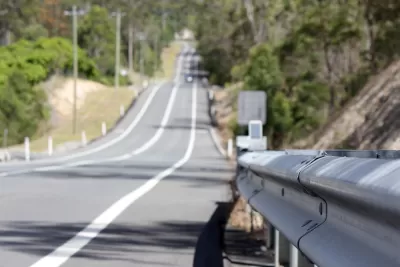
From Texas to Idaho, the speed limit on many rural roads and highways has jumped from 55 or 65 mph to 80 or 85 mph. Aarian Marshall reports in Wired that the increase in speed has led to consequences that can be measured monetarily or in lives lost.
A 2009 study published in the American Journal of Public Health estimates speed limit increases were responsible for 12,545 deaths and 36,583 injuries between 1995 and 2005. The number of rural interstate fatalities we can blame on higher speed limits jumped 9.1 percent during that time.
…
Faster driving means maintenance costs go up, too. In 2014, researchers working with Michigan’s DOT found that upping rural interstate speed limits from 70 to 80 mph would save 15.4 million passenger vehicle hours a year, but would also cost $163.88 million annually for the design’s estimated 25-year lifespan.
Marshall looks at the reasoning behind the support for higher speeds given the well documented costs. Some of the factors are cultural, others have to do with the politics of Western states, and then there's the great distances between places in rural America.
Read the full story: Raising Speed Limits Is Irresponsible But States Keep Doing It Anyway

1/3 Fewer Auto Deaths, Thanks to Rising Gas Prices
Escalating gas prices are depressing, but look on the bright side: a new study shows that they may reduce annual traffic deaths by as much as one-third.
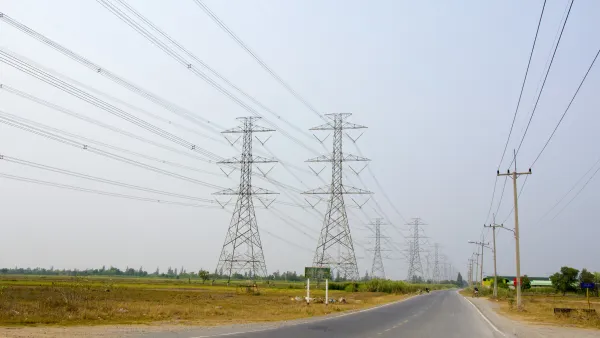
Trump to allow infrastructure along highways, railways in bid to bypass reviews
By building lines close to existing infrastructure, Trump aims to lower costs and bypass environmental oversight and opposition from local communities.
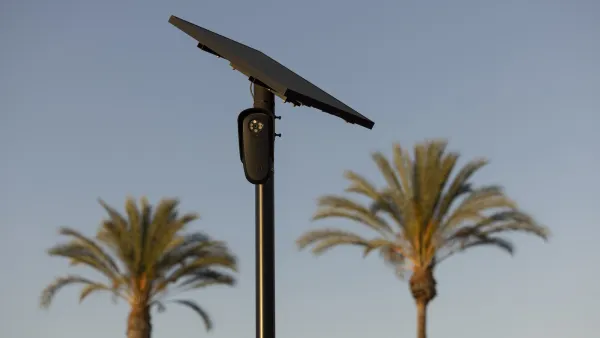
Flock cameras misread license plates in 71% of cases in California study
An analysis of 1,500 reports showed a shockingly high rate of error when reading license plates.

Planetizen Federal Action Tracker
A weekly monitor of how Trump’s orders and actions are impacting planners and planning in America.

Amtrak, CN end decades-long dispute with eight-year agreement
The new operating agreement establishes an updated framework for the companies to work together, including processes to resolve disputes.
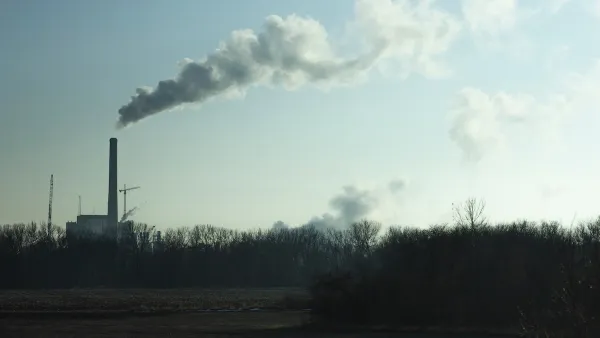
Nation's most wind-powered state turns to coal as data centers increase energy demand
For the first time in decades, Iowa has increased its generation of coal power.

Alabama scores up to $2.5 billion federal loan for largest infrastructure project in state’s history
The Mobile River Bridge and Bayway Project aims to ease congestion at Alabama’s worst bottleneck.

Trump is considering data centers on 6 states' public land — some state officials say they had no idea
If the administration approves the proposed projects, data center and data center-related developments will cover 17,600 acres of public land.

Despite court ruling, Trump is keeping nearly all wind projects in the US on hold
At least 110 wind energy projects have not heard from the government since a federal judge ruled that the Trump administration's freeze on wind turbine clearances was likely illegal.

FREE Course: Walkable City 1: Why Walkability?
After describing his path towards focusing on walkability as the essence of good planning, Jeff Speck marches through his five principal reasons for making more walkable places.
Reinventing Malls: Planning Alchemy—Turning Gray Fields Into Gold
The course focuses on the opportunities and imperatives that shape reinvention of mall sites.

KFH Group Inc.
Greater Baltimore Committee
Eagle County Government
The Architects Foundation
University of Cincinnati Online
The Pocatello Development Authority
The Urban Renewal Agency of the City of Pocatello