There's good news and bad news in a new report on the state of transportation infrastructure in the state of Illinois.


John Greenfield reports on a new report by the Metropolitan Planning Council (MPC), which finds $43 billion in needed transportation infrastructure investments in the state of Illinois over the next decade. But there's good news: "the nonprofit argues that this goal is achievable if leaders recognize the importance of facing the problem head-on by creating a new funding stream, rather than dealing with the costly consequences of continuing to neglect our transportation network."
According to Greenfield, the report also includes its suggestion for a new revenue stream that would go a long way to fixing the state's existing and looming infrastructure deficiencies: raising the state gas tax by 30 cents a gallon, and increasing registration fees by 50 percent.
Greenfield also shares some of the bad news about the current state of the state's roads, bridges, and transit lines. Spoiler alert: a bad situation is likely to get a lot worse by 2030 if a new revenue stream isn't made available.
Read the full story: MPC: We Can Solve IL Infrastructure Woes via Higher Gas Tax, Vehicle Fees
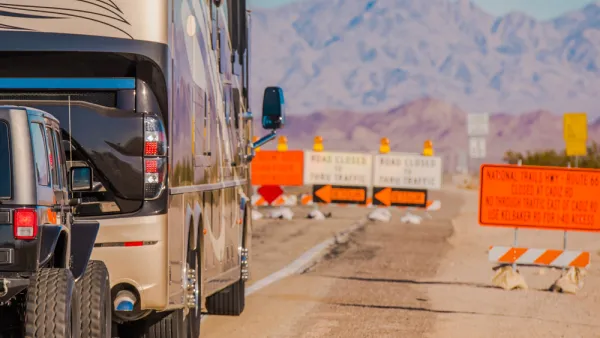
Constitutional Amendment Would Shift Some Gas Tax Revenue to Transit Spending in Nevada
Democratic legislators in Nevada are considering a constitutional amendment that would allow the state to use gas tax revenues for transportation projects other than road construction, maintenance, and repair.
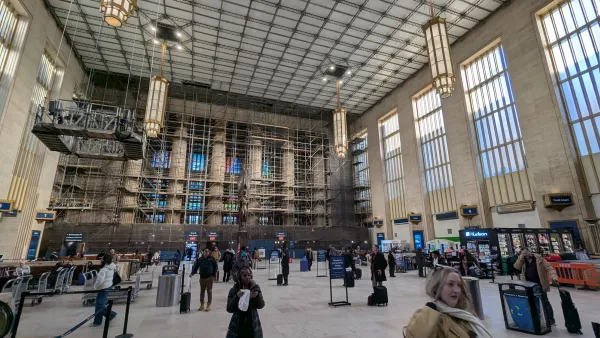
Pennsylvania 12-year transportation plan commits $13B for transit
The state's new mid-range transportation strategy includes nearly $17 billion for roads and bridges and $367 million for multimodal projects.
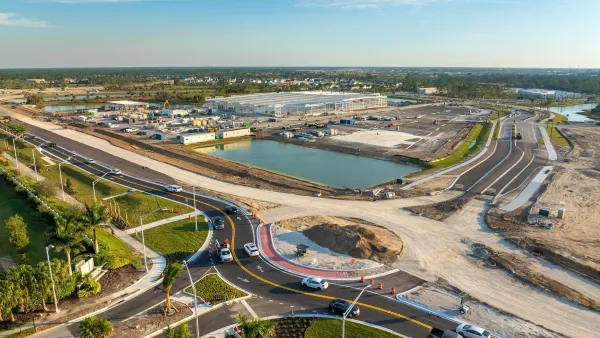
Analysis: What does America want from surface transportation reauthorization?
Over 13,000 comments were submitted in the federal Request for Information on surface transportation reauthorization. We analyzed all of them.

Planetizen Federal Action Tracker
A weekly monitor of how Trump’s orders and actions are impacting planners and planning in America.

Eastern Nebraska is running out of electricity
Data centers and electrification are straining eastern Nebraska’s grid, throttling economic development.

Move over, LA: St. Louis gears up for Olympics, invests millions in downtown redevelopment
The Missouri city will host the 2028 Olympic soccer group stage and knockout matches.

Dallas releases zoning code overhaul to officials
The drafted overhaul is over 400 pages long.

NYC renovations for dangerous, ‘mercilessly crammed’ street delayed until 2027
Construction was supposed to begin this fall.

San Diego’s Midway Rising project gets greenlight from city council
The project looks to become the largest affordable housing development in California's history.

FREE Course: Walkable City 1: Why Walkability?
After describing his path towards focusing on walkability as the essence of good planning, Jeff Speck marches through his five principal reasons for making more walkable places.
Reinventing Malls: Planning Alchemy—Turning Gray Fields Into Gold
The course focuses on the opportunities and imperatives that shape reinvention of mall sites.

City of Rosemead
Rutgers University, Edward J. Bloustein School of Planning and Public Policy
One Hundred Miles
University of Michigan School for Environment and Sustainability (SEAS)
Hunter College, City University of New York (CUNY)
The Architects Foundation
City of Cambridge
The Pocatello Development Authority
The Urban Renewal Agency of the City of Pocatello