There's more than one way to meet demand for transportation options.


Lauren Schwartzberg reports on the cohort of early adopters driving the success of the transportation network company called Via, described as a "mix between Uber and the city bus" operating in New York City.
Schwartzberg provides the background:
"In September 2013, [Via] began by offering rides between the Upper East Side and midtown for $4. It’s since upped that to $5 for a ride anywhere between 110th Street and the southernmost tip of Manhattan but spent almost no money on advertising — the founders were concerned about keeping up with what they assumed would be massive demand."
To prevent getting oversaturated with demand, Via has deliberately stayed off the radar, except, according to Schwartzberg one group: "senior citizens: 27 percent of Via riders are over 55, with 10 percent of those checking in at older than 65 (only 30 percent are between 25 and 34)."
The article goes on to provide testimonials from some of the TNC's users—all female and all varying in age from 65 and 86.
Read the full story: Early-Adopter Seniors Have Totally Taken Over the Ride-Sharing App Via


Preparing Transportation Systems for the ‘Silver Tsunami’
More Americans than ever will age beyond their safe ability to drive. How will they meet their mobility needs in a car-centric society?
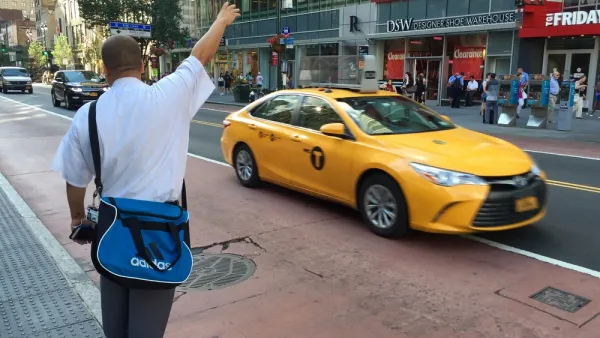
Study: More Affordable Ride-Hailing Can Fill Mobility Gaps for Low-Income Households
Many low- and moderate-income Americans use ride-hailing services to reach essential destinations, but few find the services affordable.
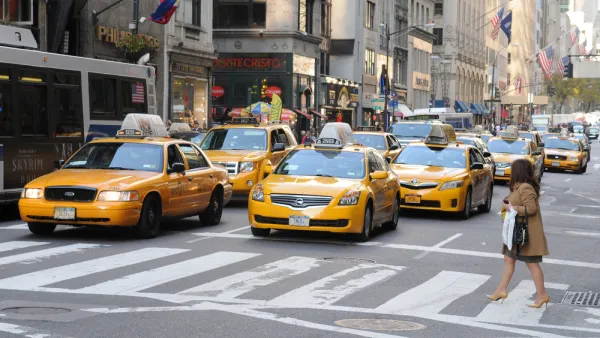
Ride-Hailing Prices Skyrocket as the U.S. Emerges From the Pandemic
A shortage of drivers and spiking demand are driving Uber and Lyft prices higher than ever as the companies struggle to achieve profitability.

Planetizen Federal Action Tracker
A weekly monitor of how Trump’s orders and actions are impacting planners and planning in America.

The state-sanctioned urbicide of Austin
People don’t kill cities. Freeways do.

US to reduce Colorado River water deliveries to Mexico
A new Colorado Treaty amendment reduces Mexico’s Colorado River water allocation by 250,000 acre feet.

Nation's most wind-powered state turns to coal as data centers increase energy demand
For the first time in decades, Iowa has increased its generation of coal power.
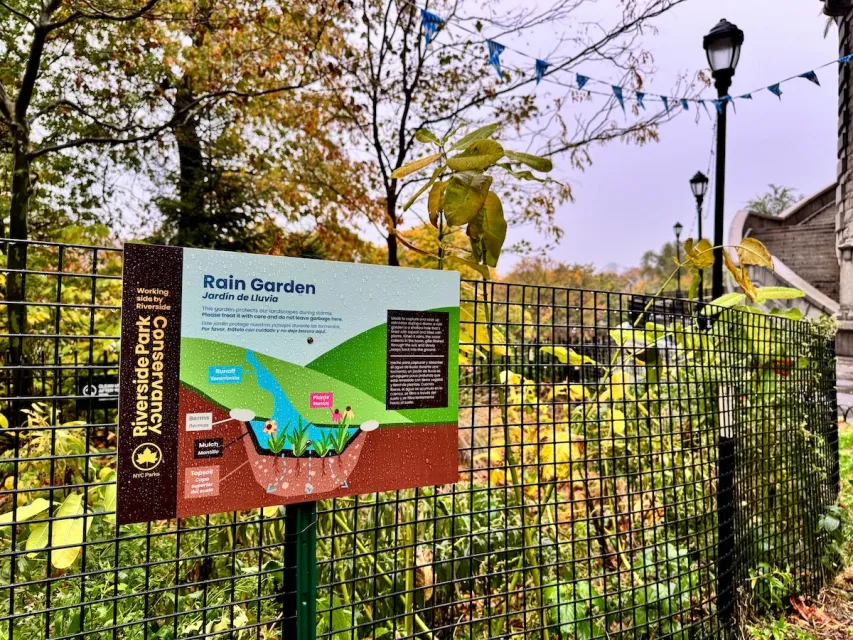
NYC cools commuters with city's first rain garden above a bus stop
New York City officials say the plants in the rain garden can absorb 16 gallons of rainwater during heavy storms.

Brightline West’s future may rely on $6 billion federal loan
The company has until Nov. 2 to make a $400 million equity investment into its proposed high-speed rail line.

FREE Course: Walkable City 1: Why Walkability?
After describing his path towards focusing on walkability as the essence of good planning, Jeff Speck marches through his five principal reasons for making more walkable places.
Reinventing Malls: Planning Alchemy—Turning Gray Fields Into Gold
The course focuses on the opportunities and imperatives that shape reinvention of mall sites.

Eagle County Government
Harvard University Graduate School of Design
Nashville Planning Department
The Architects Foundation
University of Cincinnati Online
The Pocatello Development Authority
The Urban Renewal Agency of the City of Pocatello
Journal of the American Planning Association