Citizens in developing corners of the world are prioritizing green infrastructure as they struggle to deal with the environmental consequences of rapid growth.


Neha Tadav surveys a couple of examples of communities "leading the fight in preserving their urban forests" in cities around the urbanizing world.
The pair of examples include the "One Soul One Tree" campaign in Surabaya, Indonesia, which sponsored 5,000 citizens in an effort to protect and care for individually assigned trees. According to Tadav, the campaign, "not only provided locals with new skills and means of income, but ensured that the mangroves would be maintained by the Surabaya community."
The other example comes from India, with the Tree Census in Delhi. The Tree Census assigns trees a unique number and catalogues each into a database so residents can keep track of the tree population.
Before delving into the two examples, Tadav also explains the multiple beneficial roles trees can play in the urban environment.
Read the full story: Friday Fun: How 2 Urban Communities Are Protecting Their Trees

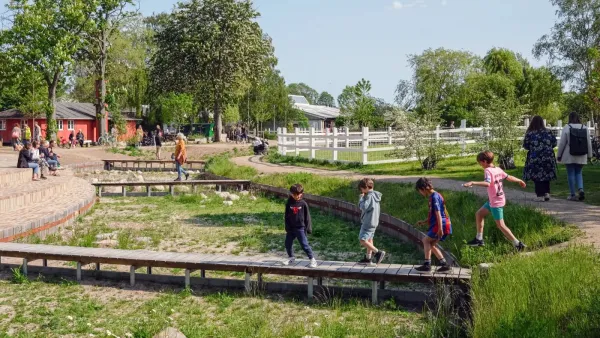
Copenhagen is losing its cool
In a city long designed to maximize light during dark Scandinavian winters, climate change is forcing the Danish capital to rethink its relationship with the sun.
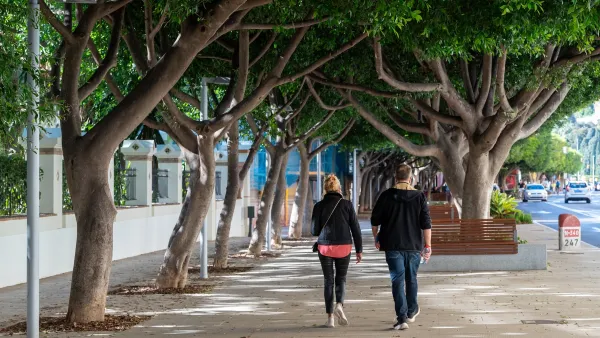
Green blocks are up to 4 degrees cooler than treeless streets
The difference in temperature created by urban trees can translate to as much as 40% less excess heat.
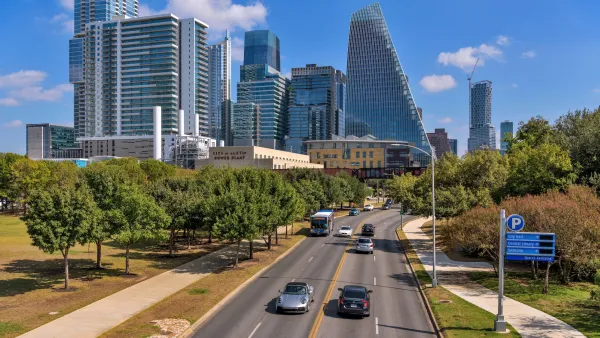
Austin uses satellite data to find gaps in its tree canopy
Layering tree data, heat risk and demographics information is helping the city implement its Climate Equity Plan.

Planetizen Federal Action Tracker
A weekly monitor of how Trump’s orders and actions are impacting planners and planning in America.

Amtrak, CN end decades-long dispute with eight-year agreement
The new operating agreement establishes an updated framework for the companies to work together, including processes to resolve disputes.

Judges permit Denver to divert 77,000 acre feet from the Colorado River for reservoir expansion
Overuse and climate change have caused the Colorado River’s water levels to plummet.

NYC DOT wants faster, more permanent street upgrades
The city is examining ways to build more concrete infrastructure without getting entangled in 'decades-long' projects.

'Something we’ve never seen before:' rising utility rates could strain city finances nationwide
Data centers, climate change and other factors have caused utility rates in the United States to increase by 38% since 2020.

Trump to overrule local leaders, lease millions of acres of America’s Pacific Island territories’ seafloors to mining companies
International law says that the Indigenous people of America’s territories have a right to prior and informed consent regarding projects that impact their countries.

FREE Course: Walkable City 1: Why Walkability?
After describing his path towards focusing on walkability as the essence of good planning, Jeff Speck marches through his five principal reasons for making more walkable places.
Reinventing Malls: Planning Alchemy—Turning Gray Fields Into Gold
The course focuses on the opportunities and imperatives that shape reinvention of mall sites.

Harvard University Graduate School of Design
KFH Group Inc.
Greater Baltimore Committee
The Architects Foundation
University of Cincinnati Online
The Pocatello Development Authority
The Urban Renewal Agency of the City of Pocatello