While cities like New York and San Francisco's transit systems are bursting at the seams, D.C. Metro's rail system lost 5 percent of its ridership between 2010 and 2015. This week Metro acknowledged some of its fault in that trend.


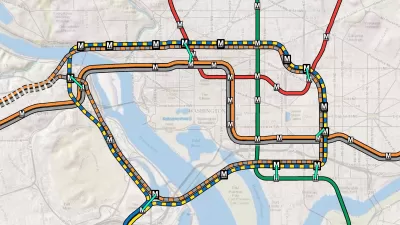
"Metro, in an unusual acknowledgment, says breakdowns and other service failures appear to be contributing to a steady, years-long decline in ridership that is causing financial stress for the transit agency and could lead to fare increases," reports Paul Duggan.
The mea culpa, of sorts, comes from a revenue briefing provided by staff to Metro's governing board this week. In addition to high profile incidents that shut down service, such as smoke from an electrical line in a Yellow Line tunnel in January, supplement a track record of poor on-time performance. Interestingly, on-time performance has worsened since the Silver Line opened for service in July 2014.
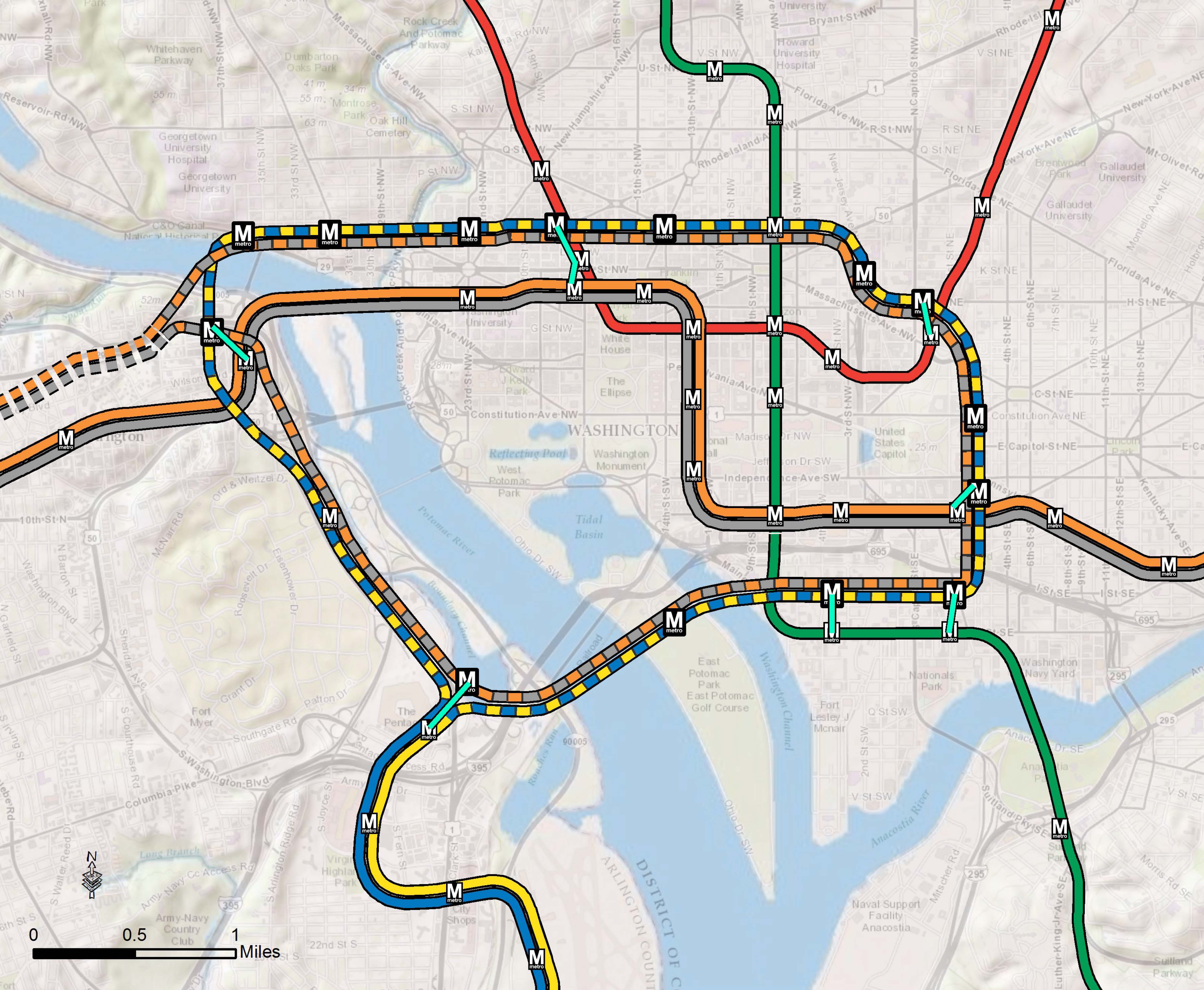
According to Duggan, "Metrorail foul-ups are a daily norm. On Tuesday, for example, in addition to rush-hour slowdowns that are expected to last into next year on the Silver, Orange and Blue lines, there was a large-scale service disruption on the Blue and Yellow lines during the evening rush hour because of a problem on tracks shared by the lines between the National Airport and Braddock Road stations."
Any action to correct the performance of Metro will have to come under the watchful eye of the federal government. Keith Laing recently reported that the Federal Transit Administration approved a "correction action plan" for Metro in the wake of passenger safety incidents.
Read the full story: Metro acknowledges breakdowns might be adding to a ridership decline

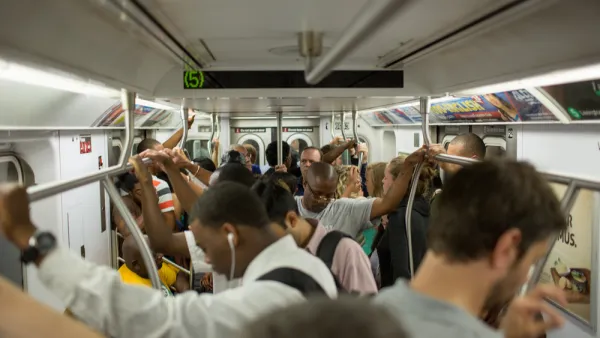
Transit's No Good, Very Bad Day
Transit commuters in New York and Washington, D.C. were understandably frustrated yesterday. One wonders when enough will be enough, and what happens then?
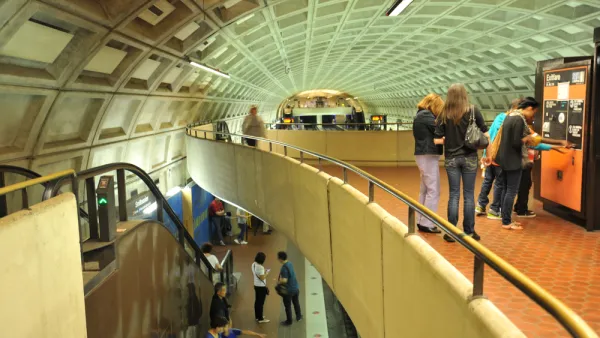
D.C. Metro Announces Service Improvements
The Red, Blue, and Silver lines will see faster headways as the agency reintroduces its 7000-series rail cars to the fleet.
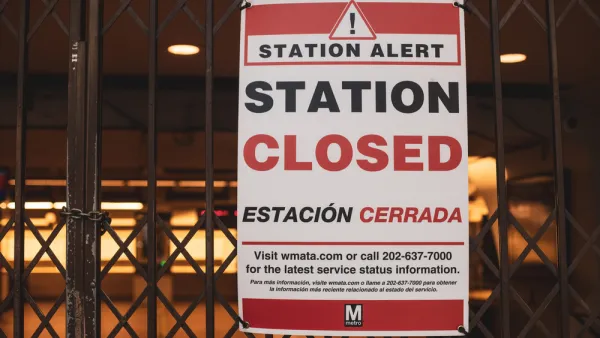
WMATA Approved Buyouts and Service Reductions
The Washington Metropolitan Area Transit Authority couldn't wait for a still hypothetical bailout from Congress or the Biden administration.

Planetizen Federal Action Tracker
A weekly monitor of how Trump’s orders and actions are impacting planners and planning in America.

‘Going backwards:’ Baltimore mayor, students rally against state's transit funding plan
Maryland's proposed six-year plan provides no funding for Baltimore’s BMORE bus program and reduces its road maintenance funding.

Detroit to transform waterfront with $2.2 billion investment
Developers will convert about 18 acres of unused parking lot space into civic spaces.

HUD modernizes 50-year-old manufactured housing framework
The Next Generation Manufactured Housing Action Plan establishes new energy-efficiency standards for manufactured homes, and new guidelines for anchoring them.

New CA housing laws tear down development red tape
Recently-signed legislation makes building starter homes and ADUs cheaper and faster in California.

Metrolink finishes first expansion in 20 years
The transit agency is now one of very few in the United States to connect two major airports.

FREE Course: Walkable City 1: Why Walkability?
After describing his path towards focusing on walkability as the essence of good planning, Jeff Speck marches through his five principal reasons for making more walkable places.
Reinventing Malls: Planning Alchemy—Turning Gray Fields Into Gold
The course focuses on the opportunities and imperatives that shape reinvention of mall sites.

One Hundred Miles
County of Mendocino
planning NEXT
The Architects Foundation
University of Cincinnati Online
Montrose County
Northern Illinois Transit Authority (NITA)
The Pocatello Development Authority