The legislature came very close to approving a plan this session to pay for crumbling roads, but the haul in the Republican-controlled House proved too difficult—they adjourned without voting on the Senate plan that passed 20-19 on July 1.


The House had passed two bills in June that would have, among other things—some very controversial—raised the diesel tax by four cents to match the 19-cent gas tax. The Senate amended the bills on July 1 to include a 15-cent gas and diesel tax increase over three years and sent it back to the House.
"After three weeks off, the House was back in session for two days last week and met behind closed doors to talk about roads, but couldn't come up with enough votes (to pass the) Senate plan to help pay for repairs," write Kathleen Gray of the Detroit Free Press. The legislature adjourns July 21 for one month.
Republicans hold a 63-47 majority in the House. Reporting for WDIV-TV, Mara MacDonald asked why Republicans were unable to get the votes to pass their own bills.
"You have a lot of new members, about 28 in the Republican Party and 12 in the Democrat party," Republican State Representative Peter Lucido said.
"Some of the members took a pledge for no new taxes and they signed those pledges so why would they want to lie to those people who put them in office and trusted them with their vote and now go back to them and say ‘I lied’?"
Lucido had his own bill to pay to fix roads without hiking gas taxes that stalled.
Democrats had their own plan, based on hiking corporate, not gas taxes, "a plan Republicans have called a non-starter and political pandering," writes Gray.
As posted in June, they opposed eliminating the Earned Income Tax Credit to pay for roads in the House bill that passed, or shifting income tax revenue to roads, or $700 million from income tax revenues for roads as posted in July on the Senate plan. Would Democrats have supported a straight increase in the gas tax? We may never know.
In this WDIV-TV Video, MacDonald explains that the failure of the legislature to agree on a plan to fix the roads is nothing new. "Do you realize that we have been doing these stories since 2012?" she asks, "and it inevitably ends just like this one is. Take a look."
Read the full story: House set to adjourn for month without vote on roads

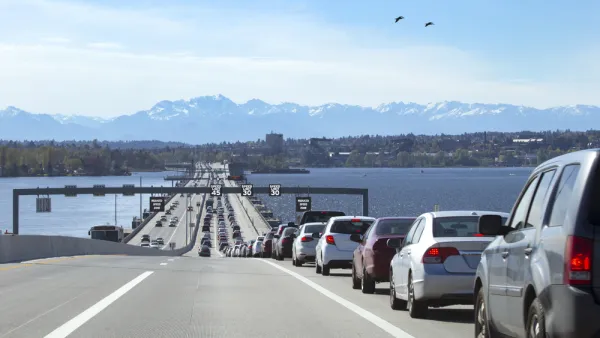
Washington State to Decide on Transition From Gas Tax to Road Usage Charge
Having completed a pilot program last year, the Washington State Transportation Commission will hear a report in October and vote in December on phasing out its 49.4 cents per gallon gas tax, fourth highest in the nation but not indexed to inflation.
ICYMI: 12 States Hiked Gas Taxes on Monday
On July 1, Illinois and Ohio increased gas taxes by double digits: 19 cents per gallon and 10.5 CPG, respectively, followed by California at 5.6 CPG, all due to legislation passed this year or in 2017. Diesel tax hikes were even higher.
A Small but Significant Fuel Tax Hike for Arkansas
The 3 cent gas tax and 6 cent diesel tax increases are among the lowest of any states that have hiked fuel taxes since 2013, but combined with other revenue sources in the legislation, plus an upcoming sales tax ballot measure, it's historic.

Planetizen Federal Action Tracker
A weekly monitor of how Trump’s orders and actions are impacting planners and planning in America.

The state-sanctioned urbicide of Austin
People don’t kill cities. Freeways do.

US to reduce Colorado River water deliveries to Mexico
A new Colorado Treaty amendment reduces Mexico’s Colorado River water allocation by 250,000 acre feet.

Nation's most wind-powered state turns to coal as data centers increase energy demand
For the first time in decades, Iowa has increased its generation of coal power.

NYC cools commuters with city's first rain garden above a bus stop
New York City officials say the plants in the rain garden can absorb 16 gallons of rainwater during heavy storms.

Brightline West’s future may rely on $6 billion federal loan
The company has until Nov. 2 to make a $400 million equity investment into its proposed high-speed rail line.

FREE Course: Walkable City 1: Why Walkability?
After describing his path towards focusing on walkability as the essence of good planning, Jeff Speck marches through his five principal reasons for making more walkable places.
Reinventing Malls: Planning Alchemy—Turning Gray Fields Into Gold
The course focuses on the opportunities and imperatives that shape reinvention of mall sites.

Greater Baltimore Committee
Eagle County Government
Harvard University Graduate School of Design
The Architects Foundation
University of Cincinnati Online
The Pocatello Development Authority
The Urban Renewal Agency of the City of Pocatello
Journal of the American Planning Association