The "Cities: Skylines" city-building simulation game enters the scene long dominated by SimCity.


"After the disappointing release of SimCity 5 in 2013, [Cities:Skylines] is a welcome improvement in the genre," according to a review by Matt Johnson. Cities: Skylines was released on March 10, 2015
Cities: Skylines is the work of the same team behind transit simulation series Cities in Motion, and that background could explain one of the major improvements of Cities: Skylines over SimCity 5, according to Johnson:
…one big change from SimCity 5 is the ability to draw bus lines and build subways and commuter rail. In the most recent SimCity, players could place bus stops, but buses just drove randomly to stops based on where the most people aboard wanted to go.
In Cities: Skylines, players can draw actual bus and rail lines. Buses will actually follow the lines you draw, and stop where you designate stops.
One disappointing feature of Cities: Skylines, according to Johnson, is only allowing mixed-use districts rather than the mixed-use zoning necessary to build residential spaces above retail or commercial spaces.
Johnson goes into a lot more detail about the game, covering all the bases about what to expect before diving deep into this new simulated city builder.
Read the full story: Cities Skylines takes over SimCity's mantle as top city-builder

10 urbanist video games that aren’t Sim City
Sim City may have inspired an entire generation of urban planners — but these games have perfected the art of city-building simulation.
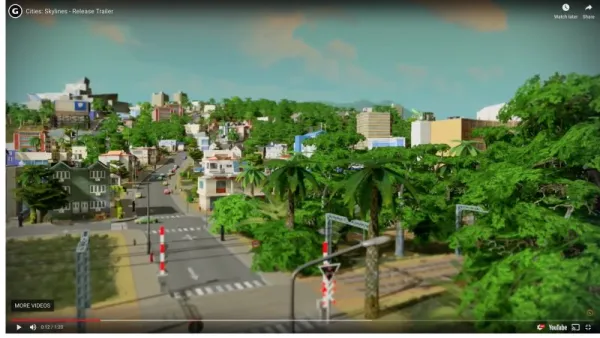
Cities: Skylines as an Urban Planning Tool
Computer simulations continue to play a novel and important role in urban planning, especially in finding new ways to engage the public and add some fun to the process of planning for the future of cities.
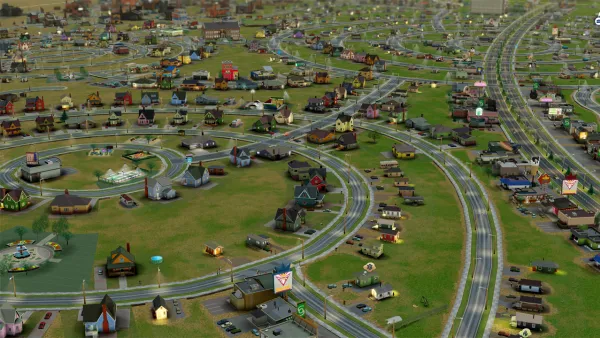
SimCity’s Impact and Evolution
The video game has inspired many people to pursue careers in planning. But, the newest version is also trying to better align the simulations with what planners face in the real world.

Planetizen Federal Action Tracker
A weekly monitor of how Trump’s orders and actions are impacting planners and planning in America.

Washington state to charge fee to drivers with fuel-efficient cars
Revenue from the fee will go towards supporting the state’s highways.

Illinois considers spending $1 billion in taxpayer money on data center
A quantum computing campus and data center are currently under construction in Chicago.

Nearly billion-dollar budget deficit looms over MTA
Metropolitan Transit Authority officials say the cost of healthcare, wages, electricity and fuel is outpacing revenue from tolls, taxes and fares.

Senate passes bill overhauling permitting
The bill still needs to pass the House.

Did data centers change how voters cast their ballots?
Texas, Ohio, and Georgia all flipped party control. But in rural counties, the effect of local data centers was mixed.

FREE Course: Walkable City 1: Why Walkability?
After describing his path towards focusing on walkability as the essence of good planning, Jeff Speck marches through his five principal reasons for making more walkable places.
Reinventing Malls: Planning Alchemy—Turning Gray Fields Into Gold
The course focuses on the opportunities and imperatives that shape reinvention of mall sites.

City of Charlotte
City of Rosemead
Rutgers University, Edward J. Bloustein School of Planning and Public Policy
University of Michigan School for Environment and Sustainability (SEAS)
Hunter College, City University of New York (CUNY)
The Architects Foundation
University District Partnership