The green, quieter model runs on lithium batteries and gets 100 miles per charge. The Milwaukee company hopes it will appeal to a younger, urban, environmentally-conscious demographic as it's main market has been "aging white male baby boomers."


It's not certain that Harley will market the green bike. For now, the motorcycle can be seen on the Project LiveWire™ Experience Tour.
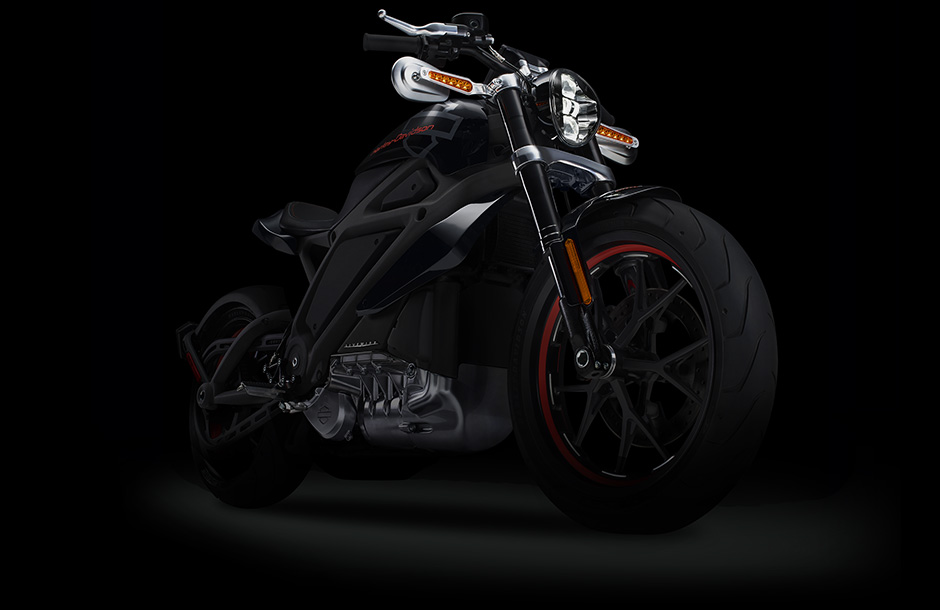
"We'd like to get customer feedback," Matt Levatich, Harley's president and chief operating officer, said in an interview, adding that the product is at least two years away from being offered for sale, write James R. Hagerty and Bob Tita.
As for the Harley's trademark thundering sound, it will "sound more like a jet engine, only much quieter," said Levatich.
In addition to appealing to the younger demographic, it was the new battery technology that prompted Harley to introduce the new model. As for the generational appeal that Harley is hoping for, one analyst agreed.
James Hardiman, an analyst for Longbow Research, called the project a surprise. "It's a pretty big departure from anything they've ever done," he said, and should help Harley appeal more to a younger and more environmentally conscious crowd.
As a 'Mythbuster' post here in 2011 noted, gasoline-powered cars are greener than (conventional) motorcycles "by virtue of (their) lower pollution profile."
Interested? "'(S)elect consumers' around the country (this week) will start getting a chance to ride prototype cycles," write Hagerty and Tita. See Project LiveWire for more information. However, if it does go on sale, it wouldn't be before two years from now.
Full access to Wall Street Journal article should last through July 1.
FULL STORY: Harley-Davidson Wheels Out an Electric Bike


Swapping your gas car for an EV is greener than keeping it, research shows
An EV repays the 'carbon debt' caused by building it after 4,400 miles.
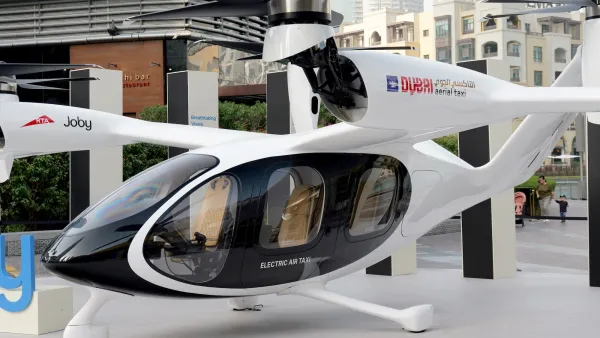
Florida wants to shift its entire EV charger budget to air taxi 'vertiports'
FDOT argues the private sector is already building out the state's fast-charging infrastructure, so the state could redirect those funds elsewhere.
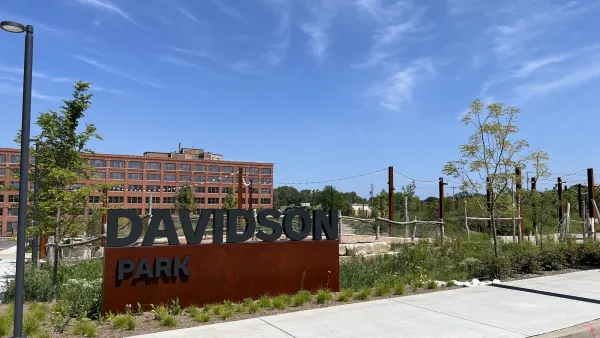
Harley-Davidson turned a Milwaukee parking lot into a green oasis
The park, adjacent to Harley-Davidson headquarters, doubles as stormwater retention infrastructure.

The state-sanctioned urbicide of Austin
People don’t kill cities. Freeways do.

US to reduce Colorado River water deliveries to Mexico
A new Colorado Treaty amendment reduces Mexico’s Colorado River water allocation by 250,000 acre feet.

New Jersey’s second-largest city bans standalone data centers
Jersey City will continue to allow co-location facilities, such as those meant for research institutions that store their own data.

Amtrak not solely to blame for New Jersey commuter rail's unreliability, report finds
A new study from the Garden State Initiative found that NJ Transit’s budget grew 20% across a 4 year period, but reliability declined significantly over the same period.

EPA erases limits on planet-warming pollution from power plants
Under Monday’s plan, power plants would still have some limits on how much mercury, arsenic and other contaminants they can emit.

Phoenix announces new on-demand transit service, more frequent RAPID buses
Both new services will launch in October, and are part of Phoenix's Project Effective Access Solutions for Easing Congestion.

FREE Course: Walkable City 1: Why Walkability?
After describing his path towards focusing on walkability as the essence of good planning, Jeff Speck marches through his five principal reasons for making more walkable places.
Reinventing Malls: Planning Alchemy—Turning Gray Fields Into Gold
The course focuses on the opportunities and imperatives that shape reinvention of mall sites.

Eagle County Government
Harvard University Graduate School of Design
Nashville Planning Department
The Architects Foundation
University of Cincinnati Online
The Pocatello Development Authority
The Urban Renewal Agency of the City of Pocatello
Journal of the American Planning Association