As an urbanist, it can be easy to think of gentrification as a macroeconomic trend or a collection of data points, not as an individual experience. A community organizer in Oakland would like to bring the issue home for the city’s newcomers.


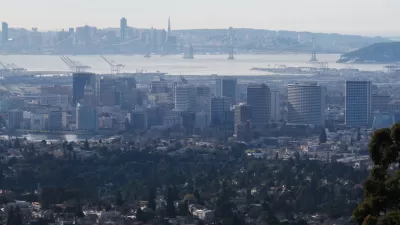
Like most of the San Francisco and Silicon Valley Bay Area, Oakland is amidst a large-scale demographic shift. Community Organizer Dannette Lambert argues the case of the historic population of Oakland, along the way providing examples of the many difficulties inherent to the processes of gentrification and displacement.
Some of the “20 ways to not be a gentrifier in Oakland” Lambert mentions are uniquely suited to the Oakland experience (for instance, “remember, you don’t gain culture by eating a burrito”), but she consistently appeals to the personal, even emotional experiences of gentrification (“You gain culture by engaging in a real and meaningful manner with the person who makes the burrito…”).
Whether or not you agree with Lambert’s assessment of the Oakland situation, her polemic can be read as a reminder of the ripple effect and the stressful emotional valence of demographic shifts.
FULL STORY: 20 ways to not be a gentrifier in Oakland

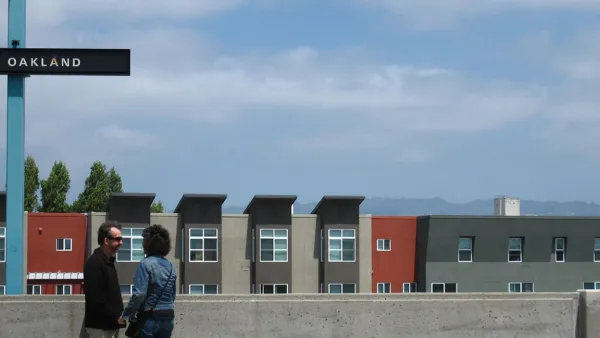
Gentrification and Race in the San Francisco Bay Area
A feature article revisits the gentrification and displacement discussion, especially as it pertains to racial and economic demographics, in one of the nation's most troubled and challenging housing markets.
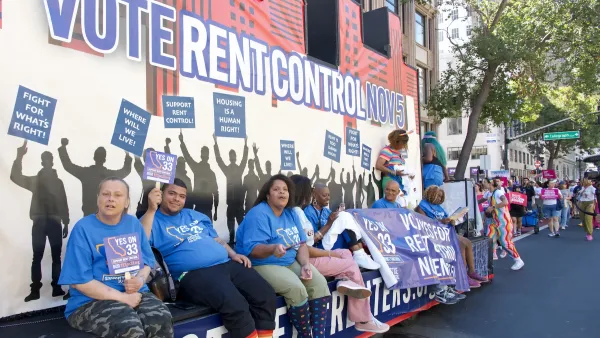
Oakland residents fear AI-fueled gentrification
The new tech boom that's driving up rents in San Francisco could have rippling impacts on East Bay communities.

How the Restaurant Scene Became a Symbol of Gentrification
While redevelopment-related displacement is the result of broader market forces and policy decisions, restaurants and cafes have become an emotionally charged flashpoint for the debate over gentrification.

Planetizen Federal Action Tracker
A weekly monitor of how Trump’s orders and actions are impacting planners and planning in America.

The state-sanctioned urbicide of Austin
People don’t kill cities. Freeways do.

US to reduce Colorado River water deliveries to Mexico
A new Colorado Treaty amendment reduces Mexico’s Colorado River water allocation by 250,000 acre feet.

Guerilla urbanists are building DIY bus stop benches in Chicago
A before-and-after of one of the bus stops with a new bench. The new benches are not officially sanctioned or permitted, but the residents who placed them hope they will be the start of a network of DIY benches across the city.

Mamdani overhauls NYC's Vision Zero plan with 100 new policy goals
The overhaul aims to reduce traffic deaths and make streets safer for pedestrians, cyclists and drivers through lower speed limits, new safety infrastructure and more.

Amtrak not solely to blame for New Jersey commuter rail's unreliability, report finds
A new study from the Garden State Initiative found that NJ Transit’s budget grew 20% across a 4 year period, but reliability declined significantly over the same period.

FREE Course: Walkable City 1: Why Walkability?
After describing his path towards focusing on walkability as the essence of good planning, Jeff Speck marches through his five principal reasons for making more walkable places.
Reinventing Malls: Planning Alchemy—Turning Gray Fields Into Gold
The course focuses on the opportunities and imperatives that shape reinvention of mall sites.

Eagle County Government
Harvard University Graduate School of Design
Nashville Planning Department
The Architects Foundation
University of Cincinnati Online
The Pocatello Development Authority
The Urban Renewal Agency of the City of Pocatello
Journal of the American Planning Association