Smart Growth needs to adopt a more populist message, argues Robert Steuteville, and demonstrate how cities can empower people of all classes. Could "Lean Urbanism" provide the foundation?


"A couple of recent stories on Better! Cities & Towns point to an ongoing problem: New Urbanism, smart growth, and related trends need to work on their appeal to working class and minority groups."
The defeat of Roxanne Qualls in her bid to be elected mayor of Cincinnati and the difficulties that bicycle planning runs into in African-American neighborhoods are two recent stories that demonstrate we're not doing a good enough job of communicating the benefits of planning that strengthens freedom in transportation, says Steuteville.
"New Urbanism is about safety and jobs and livability and freedom — that’s transportation choice — for everyone. Why can't smart growth adopt a more populist message? I don't have all the answers as to how that could happen. Yet advocates for walkable cities could lay the groundwork for our political leaders to run on a positive message of urban transformation."
Thanks to newurban
Read the full story: Populist urbanism: Beyond the creative class

A Better Understanding of Smart Growth Benefits
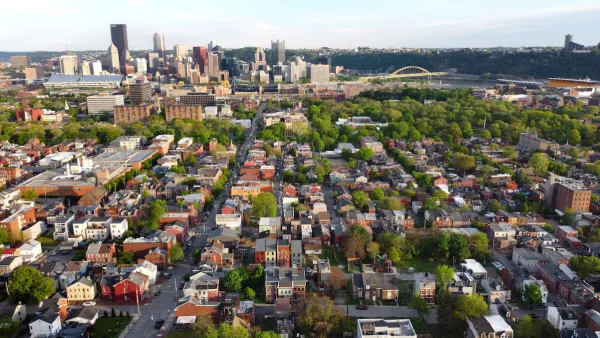
Smart Growth creates compact, multimodal communities where residents consume less land, drive less, and rely more on non-auto modes. Planners have important stories to tell about the benefits of Smart Growth.
Defining the Buzzword: What's a 15-Minute City?
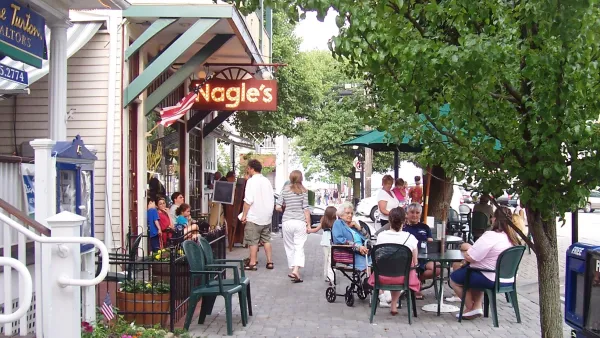
What does it mean to be a 15-minute city?

Different Types of Pro-Development Urbanism, Explained
Can't tell New Urbanism from YIMBY? This post tries to help.

Planetizen Federal Action Tracker
A weekly monitor of how Trump’s orders and actions are impacting planners and planning in America.

‘Going backwards:’ Baltimore mayor, students rally against state's transit funding plan
Maryland's proposed six-year plan provides no funding for Baltimore’s BMORE bus program and reduces its road maintenance funding.

Detroit to transform waterfront with $2.2 billion investment
Developers will convert about 18 acres of unused parking lot space into civic spaces.

U.S.-Iran war may have ‘devastating’ impact on cost to warm homes
Vermont and Maine residents may see a 76% increase in the cost of warming their homes this winter.

Senate bill would ‘overhaul’ environmental permitting laws
Under the proposed act, government agencies would also not be able to suspend or rescind permits after granting them.

Exemption applications for NYC’s pied-à-terre tax see 55% success rate
The city sent nearly 40% of its initial pied-à-terre tax warnings erroneously.

FREE Course: Walkable City 1: Why Walkability?
After describing his path towards focusing on walkability as the essence of good planning, Jeff Speck marches through his five principal reasons for making more walkable places.
Reinventing Malls: Planning Alchemy—Turning Gray Fields Into Gold
The course focuses on the opportunities and imperatives that shape reinvention of mall sites.

One Hundred Miles
County of Mendocino
planning NEXT
The Architects Foundation
University of Cincinnati Online
Montrose County
Northern Illinois Transit Authority (NITA)
The Pocatello Development Authority