Chuck Wolfe comments on this week's mayoral election in Seattle, suggesting the pending populist model for New York City is already on display.


Wolfe draws parallels between Seattle and New York and reflects on the re-election challenge to incumbent Mayor Mike McGinn---who some call the most progressive mayor in America. Like presumptive New York City Mayor Bill de Blasio, Wolfe notes how McGinn may reflect, if not lead, the trend lines of changing cities everywhere.
Seattle's liberal moniker may actually predicate the iconic New York City mayor's race, a post-Bloomberg defining moment more closely watched than our own. At issue there is a model of governance that will predict the voting outcomes for evolving American demographics, as well as a decided tilt toward equity and the new urban populism.
Wolfe cites the increasing spotlight placed on the Seattle race by national press coverage late in the campaign, and how challenger Ed Murray has largely addressed style rather than substantive approaches already in place.
He concludes: "As noted, it's late in the game and we are onstage, partly because of the provocative conviction of the mayor we have."
Read the full story: commentary: the urban stage of election day in Seattle
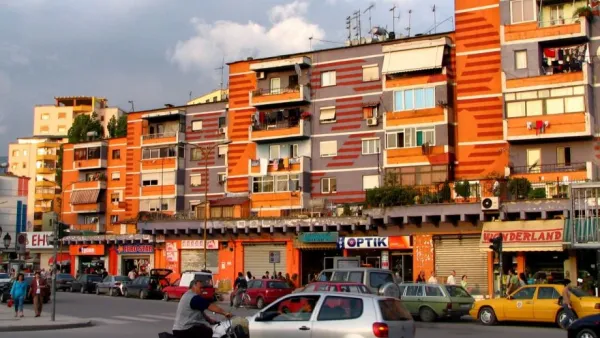
American Cities Should Be More Colorful
Designer Rachael Smith argues that a Puritan attitude toward color explains why so many American cities are clad in grays and browns, and links the gray-ification of cities to their gentrification.
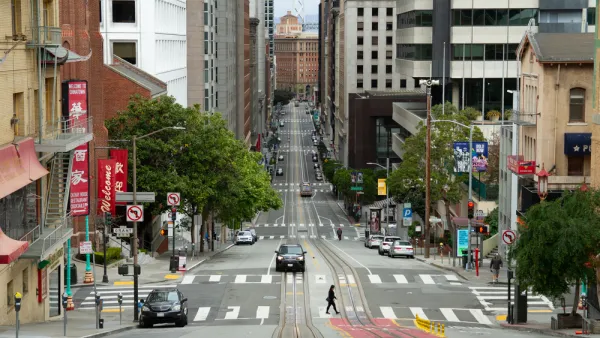
Two Stories From 2020: Which Is True?
Have all cities lost people due to COVID-19, or just a few high-cost ones?
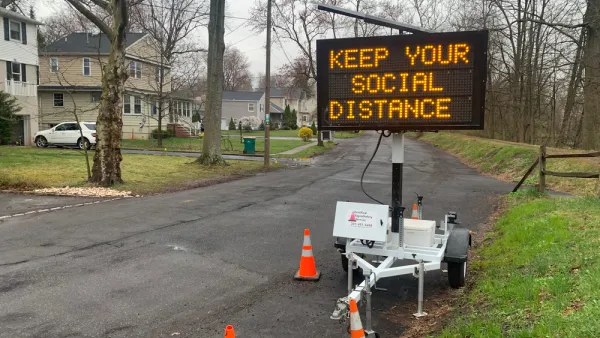
Left-NIMBYism and COVID-19
The events of the past year shows that the law of supply and demand applies to urban housing, and that gentrification can, in fact, be subdued.

Planetizen Federal Action Tracker
A weekly monitor of how Trump’s orders and actions are impacting planners and planning in America.

California plans to bury El Niño’s downpour
If the state plays its cards right, it may be able to store a billion acre-feet of El Niño’s water in aquifers.

Desperate measures: Advocates weigh draining Lake Powell to fill Colorado River
Draining the reservoir could reduce evaporation losses by a couple hundred thousand acre-feet.

Los Angeles just elected an urban planner as its mayor
Transportation analysts are optimistic that Raman will be more aggressive in addressing transit issues than Bass.

Mamdani’s pied-à-terre tax survives legal challenge
A panel of judges found that the plaintiffs failed to demonstrate injury as a result of New York City's implementation of the tax.

Eastern Nebraska is running out of electricity
Data centers and electrification are straining eastern Nebraska’s grid, throttling economic development.

FREE Course: Walkable City 1: Why Walkability?
After describing his path towards focusing on walkability as the essence of good planning, Jeff Speck marches through his five principal reasons for making more walkable places.
Reinventing Malls: Planning Alchemy—Turning Gray Fields Into Gold
The course focuses on the opportunities and imperatives that shape reinvention of mall sites.

City of Rosemead
Rutgers University, Edward J. Bloustein School of Planning and Public Policy
One Hundred Miles
University of Michigan School for Environment and Sustainability (SEAS)
Hunter College, City University of New York (CUNY)
The Architects Foundation
City of Cambridge
Montrose County
The Pocatello Development Authority