An innovative event held recently in Jacksonville, Florida used a festival as a means to bring crowdfunding to the people; providing a platform for community building and branding in the process. Could this be the future of financing public projects?


"In April, 130,000 people flocked to the first One Spark festival in downtown Jacksonville, Florida, to hear indie rock bands, watch fire dancers, admire multimedia art installations, and, most important, listen to entrepreneurs’ pitches for more than 400 projects in search of seed money," reports Patrick J. Kiger. "Organizers promoted One Spark as the world’s first community festival focused on crowdfunding, a nascent method of microfinance in which small contributions are solicited from large numbers of benefactors via the internet."
"The Jacksonville event may be one harbinger of a promising new international phenomenon—civic festivals that aim to promote local communities by incorporating crowdfunding both as a source of capital and as a tool for engaging visitors and residents," he explains.
"Like any method of raising money, crowdfunding comes with caveats and potential pitfalls, and its novelty means users must be willing to venture into largely unexplored territory," Kiger cautions. "But proponents say that crowdfunding festivals’ potential to attract large, far-flung audiences and to synergize the online social networking with a tangible event makes them a powerful tool for building a distinctive community brand. Indeed, some of the concept’s enthusiasts even foresee a not-too-distant day in which architects and developers may use crowdfunding festivals to help remake a city by garnering support for new buildings or redevelopment projects."
Read the full story: Crowd Funding Your Way to an Urban Identity

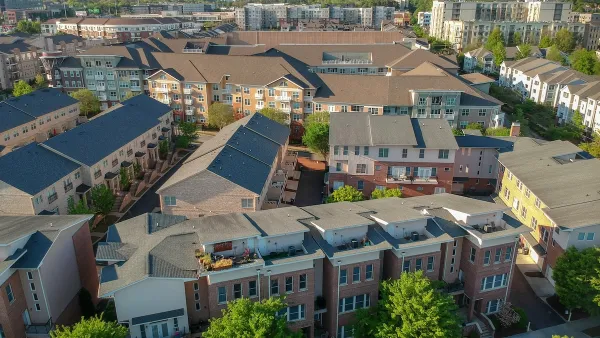
The Rise of Crowdfunded Real Estate
Enabled by provisions in the JOBS Act of 2012 that allow smaller scale investing, community members are becoming co-owners of local real estate projects.
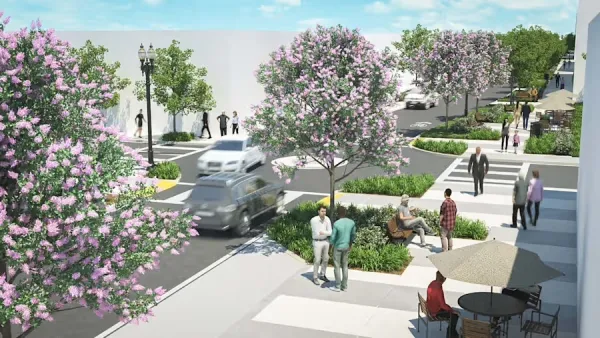
Jacksonville Completes Park Street Road Diet
The half-mile corridor now features new bike lanes and sidewalks, as well as roundabouts and new landscaping.
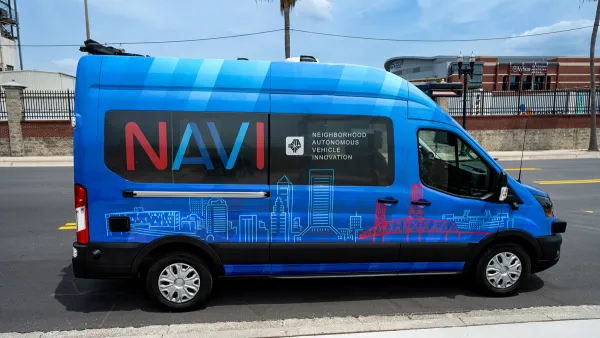
Jacksonville Launches First Autonomous Transit Shuttle in US
A fleet of 14 fully autonomous vehicles will serve a 3.5-mile downtown Jacksonville route with 12 stops.

Planetizen Federal Action Tracker
A weekly monitor of how Trump’s orders and actions are impacting planners and planning in America.

Amtrak, CN end decades-long dispute with eight-year agreement
The new operating agreement establishes an updated framework for the companies to work together, including processes to resolve disputes.

Judges permit Denver to divert 77,000 acre feet from the Colorado River for reservoir expansion
Overuse and climate change have caused the Colorado River’s water levels to plummet.

NYC DOT wants faster, more permanent street upgrades
The city is examining ways to build more concrete infrastructure without getting entangled in 'decades-long' projects.

'Something we’ve never seen before:' rising utility rates could strain city finances nationwide
Data centers, climate change and other factors have caused utility rates in the United States to increase by 38% since 2020.

Trump to overrule local leaders, lease millions of acres of America’s Pacific Island territories’ seafloors to mining companies
International law says that the Indigenous people of America’s territories have a right to prior and informed consent regarding projects that impact their countries.

FREE Course: Walkable City 1: Why Walkability?
After describing his path towards focusing on walkability as the essence of good planning, Jeff Speck marches through his five principal reasons for making more walkable places.
Reinventing Malls: Planning Alchemy—Turning Gray Fields Into Gold
The course focuses on the opportunities and imperatives that shape reinvention of mall sites.

Harvard University Graduate School of Design
KFH Group Inc.
Greater Baltimore Committee
The Architects Foundation
University of Cincinnati Online
The Pocatello Development Authority
The Urban Renewal Agency of the City of Pocatello