Although a growing list of communities (of which Portland is the largest) have banned the addition of fluoride to tap water, such places are doing so against the recommendations of the medical establishment. What's driving the backlash?


"Nearly three-quarters of Americans drink fluoride-enriched water, which is universally acknowledged [PDF] to help fight tooth decay," writes Henry Grabar. "The Centers for Disease Control and Prevention call the use of fluoride in water systems, which began in the 1940s, one of the 10 greatest public health achievements of the 20th century."
However, a growing list of communities (125 since 2010) have removed fluoride from their drinking water, driven by "anti-government sentiment" and the opinions of "dubious experts." And this week, Portland voted for the fourth time since 1956 to reject fluoridation.
"Oregon has one of the highest rates of tooth decay in the nation, and yet, the state's biggest city will remain an outlier, thanks to the remarkable efforts of the anti-fluoride lobby, a non-partisan alliance of paranoiacs," says Grabar.
"It’s as if an Occupy protest, a talk on artisanal cheesemaking, and a Tea Party rally were all accidentally booked at the same hotel ballroom," Marty Smith wrote in the Willamette Week.
FULL STORY: With Portland's Latest Rejection of Fluoride, Science Loses Out to History's Weirdest Alliance of Paranoiacs

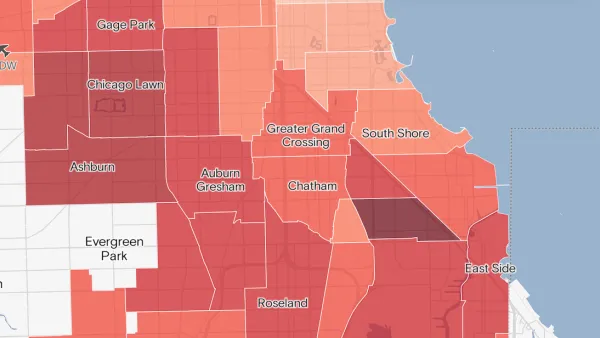
84% of Chicago's Pipes Contain Lead — and They're Not Equally Distributed
The city’s Black and Latino communities are most impacted, but the issue is widespread across the city’s water distribution network.

Texas City to Test Waste Heat-to-Water Generation System
The technology harnesses waste heat to produce clean drinking water.
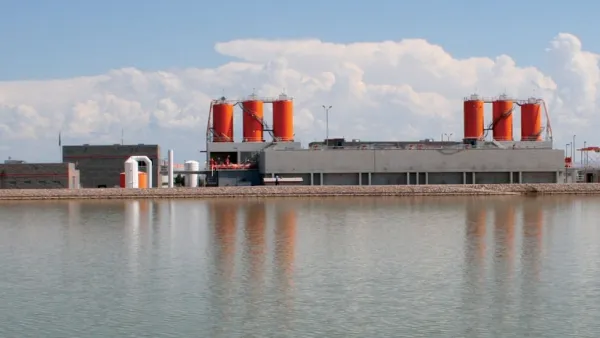
El Paso Wastewater Purification Facility Breaks Ground
As water supplies become strained and technology advances, cities look to wastewater as a viable source of drinking water.

Planetizen Federal Action Tracker
A weekly monitor of how Trump’s orders and actions are impacting planners and planning in America.

The state-sanctioned urbicide of Austin
People don’t kill cities. Freeways do.

US to reduce Colorado River water deliveries to Mexico
A new Colorado Treaty amendment reduces Mexico’s Colorado River water allocation by 250,000 acre feet.

Mamdani overhauls NYC's Vision Zero plan with 100 new policy goals
The overhaul aims to reduce traffic deaths and make streets safer for pedestrians, cyclists and drivers through lower speed limits, new safety infrastructure and more.

Amtrak not solely to blame for New Jersey commuter rail's unreliability, report finds
A new study from the Garden State Initiative found that NJ Transit’s budget grew 20% across a 4 year period, but reliability declined significantly over the same period.

EPA erases limits on planet-warming pollution from power plants
Under Monday’s plan, power plants would still have some limits on how much mercury, arsenic and other contaminants they can emit.

FREE Course: Walkable City 1: Why Walkability?
After describing his path towards focusing on walkability as the essence of good planning, Jeff Speck marches through his five principal reasons for making more walkable places.
Reinventing Malls: Planning Alchemy—Turning Gray Fields Into Gold
The course focuses on the opportunities and imperatives that shape reinvention of mall sites.

Eagle County Government
Harvard University Graduate School of Design
Nashville Planning Department
The Architects Foundation
University of Cincinnati Online
The Pocatello Development Authority
The Urban Renewal Agency of the City of Pocatello
Journal of the American Planning Association