When we think urbanism, we often think cities. But small towns embody many of the elements of walkability that are illegal in most places. This pictorial review offers some palatable insights.


"We talk a lot about densification and how compact, connected urbanism generates places where you can easily walk to most of your daily needs. Within these discussions, we're often elaborating on how these sorts of livable places are healthier, wealthier, cleaner, and happier. What we talk about less is how compact neighborhoods take up less space, leave more of the hinterland wild, protect fragile ecosystems, and allow earth to more easily regenerate clean air and water supplies."
Hazel Borys finds inspiration in rural Québec, using an abundance of photos as pointers on how we could legalize more satisfying towns and cities:
"The historic villages of Saint-Jovite and old Mont-Tremblant-Village embody character-based town planning. In the village centres, buildings come right up to the sidewalk, with cars parking on-street or out back. An abundance of places to linger in sidewalk cafés and parks make for a sense of community. Benches, flowers, and shade are gifts to the street. Horizontal and a bit of vertical mixed-use make for a walkable, bikeable, and drivable environment."
Thanks to Scott Doyon
Read the full story: Mont-Tremblant: Cottage Living in the Canadian Shield

Walkable Winter Cities: Feasibility While Freezing
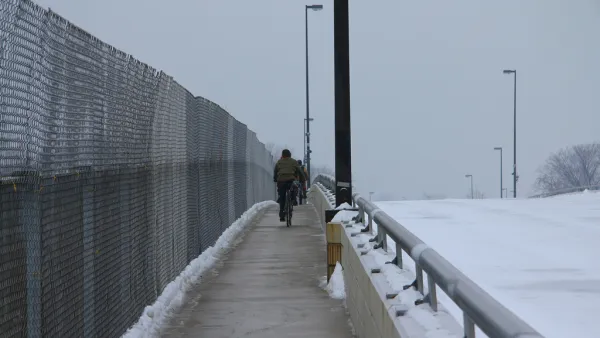
"It's too cold to walk here" is often the response to the subject of livability in northern climes. Hazel Borys hails from the third coldest city of its size on earth and talks walkable winter cities.
What Ottawa Has to Teach Us about Great Urbanism
Hazel Borys concludes her popular photo series on lessons from Canadian urbanism with a look at Ottawa, whose charming historic character is illegal to reproduce today in its more auto-centric outskirts.
Code Score: A New Aid for Aligning Policy and Vision With Outcomes
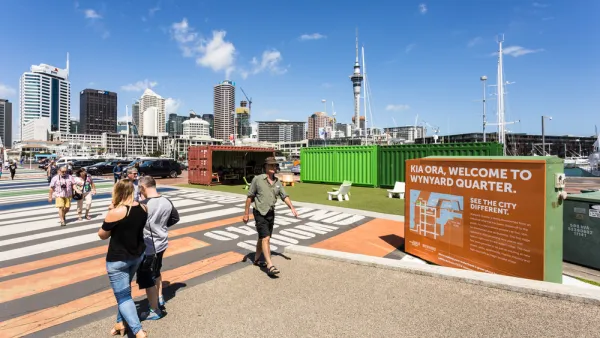
A compendium of benefits of walkable urban places, put together by Hazel Borys and Kaid Benfield.

Planetizen Federal Action Tracker
A weekly monitor of how Trump’s orders and actions are impacting planners and planning in America.

‘Going backwards:’ Baltimore mayor, students rally against state's transit funding plan
Maryland's proposed six-year plan provides no funding for Baltimore’s BMORE bus program and reduces its road maintenance funding.

Detroit to transform waterfront with $2.2 billion investment
Developers will convert about 18 acres of unused parking lot space into civic spaces.

Data center developers are using lawsuits, cash offers to ‘overwhelm’ rural America
Newsrooms in five states worked together to uncover the tactics big tech developers use to buy land from reluctant communities.

U.S.-Iran war may have ‘devastating’ impact on cost to warm homes
Vermont and Maine residents may see a 76% increase in the cost of warming their homes this winter.

Senate bill would ‘overhaul’ environmental permitting laws
Under the proposed act, government agencies would also not be able to suspend or rescind permits after granting them.

FREE Course: Walkable City 1: Why Walkability?
After describing his path towards focusing on walkability as the essence of good planning, Jeff Speck marches through his five principal reasons for making more walkable places.
Reinventing Malls: Planning Alchemy—Turning Gray Fields Into Gold
The course focuses on the opportunities and imperatives that shape reinvention of mall sites.

One Hundred Miles
County of Mendocino
planning NEXT
The Architects Foundation
University of Cincinnati Online
Montrose County
Northern Illinois Transit Authority (NITA)
The Pocatello Development Authority