Alan Pisarski says despite reports of growth in walking, biking, carpooling and transit, very little has changed in the U.S., and people will always over-report their good intentions.


"Only about 68.3% of usual transit users actually used it on a specific day," writes Pisarski.
"The big shift is to the auto-based modes, solo driving or pooling, accounting for more than three quarters of the shift, with the remainder largely shifting to walking. This is almost the identical loyalty share observed in 2001, but with greater shifts to the auto instead of walking."
Interestingly, those who say they walk usually do as they say, and those who say they drive alone do so 93.5% of the time. The study is based on a survey that asked people how they get to work, followed by a question asking how they actually got to work the previous day.
Read the full story: Brand Loyalty Dominates Trip to Work

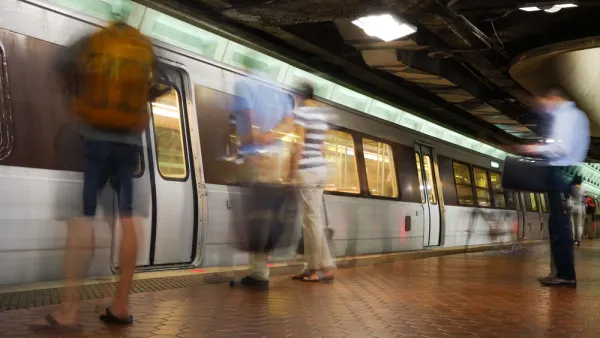
Report: D.C. Area Commuters Driving Alone Less
With all the bad news about plummeting ridership as the D.C. Metro transit system has struggled to deal with maintenance issues, a new report indicates that regional commuters are still driving alone less.
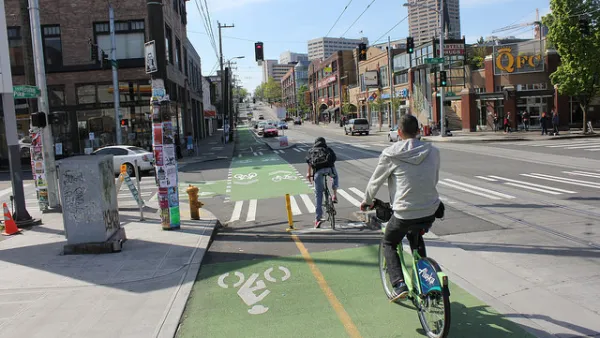
Bike Commutes at a Ten-Year Low in Seattle
Commute trips by bike are flat in Seattle, despite investments in high quality infrastructure. The city will have to do more for bikes to cut into the overall share of commute trips in the city of Seattle.
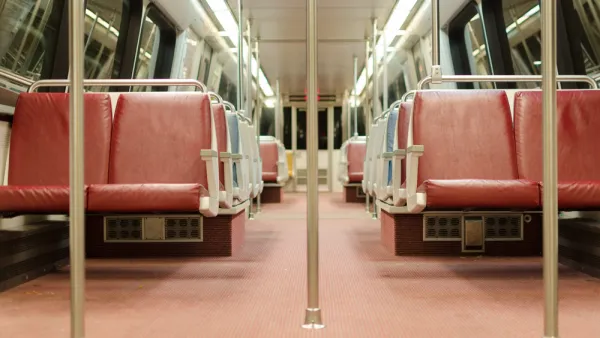
Census: Working From Home More Common Than Taking Transit to Work
A more sedentary approach to commuting is now more common than taking the bus or train to work, trailing only driving to work as the most common commute mode.

Planetizen Federal Action Tracker
A weekly monitor of how Trump’s orders and actions are impacting planners and planning in America.

Amtrak, CN end decades-long dispute with eight-year agreement
The new operating agreement establishes an updated framework for the companies to work together, including processes to resolve disputes.

Judges permit Denver to divert 77,000 acre feet from the Colorado River for reservoir expansion
Overuse and climate change have caused the Colorado River’s water levels to plummet.

NYC DOT wants faster, more permanent street upgrades
The city is examining ways to build more concrete infrastructure without getting entangled in 'decades-long' projects.

'Something we’ve never seen before:' rising utility rates could strain city finances nationwide
Data centers, climate change and other factors have caused utility rates in the United States to increase by 38% since 2020.

Trump to overrule local leaders, lease millions of acres of America’s Pacific Island territories’ seafloors to mining companies
International law says that the Indigenous people of America’s territories have a right to prior and informed consent regarding projects that impact their countries.

FREE Course: Walkable City 1: Why Walkability?
After describing his path towards focusing on walkability as the essence of good planning, Jeff Speck marches through his five principal reasons for making more walkable places.
Reinventing Malls: Planning Alchemy—Turning Gray Fields Into Gold
The course focuses on the opportunities and imperatives that shape reinvention of mall sites.

Harvard University Graduate School of Design
KFH Group Inc.
Greater Baltimore Committee
The Architects Foundation
University of Cincinnati Online
The Pocatello Development Authority
The Urban Renewal Agency of the City of Pocatello