With the help of Councilmember Paul Krekorian of the Los Angeles City Hall, Studio City residents developed an anti-mansionization ordinance called the "Residential Floor Area" to limit the size of residential construction on existing lots.


The Patch writes:
"By controlling mansionization for nearly 4,000 Studio City homes - limiting lots of 6,750 square feet (the typical lot size in Studio City) to 3,578 square feet - residents in the East Valley essentially agreed to the widest ranging set of guidelines a community has ever enacted to maintain the integrity of their neighborhood."
One of the main concerns against the RFA proposal was that the policy would largely affect homeowners' property rights. Through several meetings held with opposition groups, councilmember Krekorian, his staff, and the city planning department, a compromise was ultimately agreed upon.
"Under the compromise, the maximum residential floor area in the majority of Studio City lots shall not exceed 53% of the lot area, while incorporating bonus design standards that minimize the impact of mansionization – a option that previously RFA iterations never incorporated."
FULL STORY: Accord Struck to Limit Mansionization in Studio City


Commentary: Eminent Domain is a Slippery Slope
Can accepting eminent domain lead to accepting the loss of other, more foundational rights?

Meet the Team Working to Create a 1,500-mile Trail Across Texas
The proposed xTx route would safely allow hikers, bikers, and equestrians to cross the entire state from the Louisiana border to El Paso.
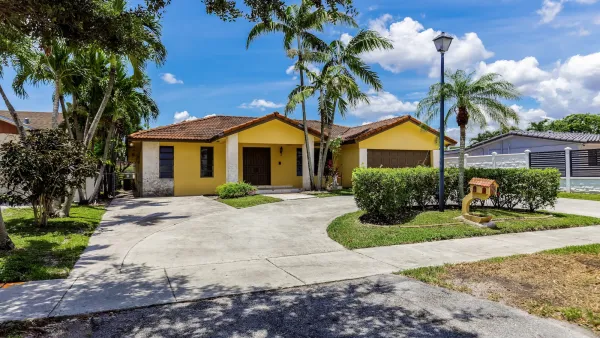
Property Owners Sue Miami for Unlawfully Taking Property via Permit Applications
The suit claims the city is using unrelated permit applications to unlawfully gain right-of-way.

Planetizen Federal Action Tracker
A weekly monitor of how Trump’s orders and actions are impacting planners and planning in America.

The state-sanctioned urbicide of Austin
People don’t kill cities. Freeways do.

US to reduce Colorado River water deliveries to Mexico
A new Colorado Treaty amendment reduces Mexico’s Colorado River water allocation by 250,000 acre feet.

Mamdani overhauls NYC's Vision Zero plan with 100 new policy goals
The overhaul aims to reduce traffic deaths and make streets safer for pedestrians, cyclists and drivers through lower speed limits, new safety infrastructure and more.

Amtrak not solely to blame for New Jersey commuter rail's unreliability, report finds
A new study from the Garden State Initiative found that NJ Transit’s budget grew 20% across a 4 year period, but reliability declined significantly over the same period.

EPA erases limits on planet-warming pollution from power plants
Under Monday’s plan, power plants would still have some limits on how much mercury, arsenic and other contaminants they can emit.

FREE Course: Walkable City 1: Why Walkability?
After describing his path towards focusing on walkability as the essence of good planning, Jeff Speck marches through his five principal reasons for making more walkable places.
Reinventing Malls: Planning Alchemy—Turning Gray Fields Into Gold
The course focuses on the opportunities and imperatives that shape reinvention of mall sites.

Eagle County Government
Harvard University Graduate School of Design
Nashville Planning Department
The Architects Foundation
University of Cincinnati Online
The Pocatello Development Authority
The Urban Renewal Agency of the City of Pocatello
Journal of the American Planning Association