In this series from Glass House Conversations, journalist Greg Lindsay asks what the successful cities of the future will look like, and whether or not they should be built from scratch.


"Humanity is an urban species - more than half of us live in cities. Cities have proven to be the best incubators for innovation, the front lines in the war against climate change, and the stepping stones to the middle class. The Lincoln Institute of Land Policy estimates the urban population of Earth is set to double in the next 43 years, while urban land cover will double in just 19 years. But people won't just flock to the cities we have now - there are hundreds, and potentially thousands of cities waiting to be born."
Lindsay writes that governments, corporations and individuals are working to design the cities of the future, and wonders what they will have to do to make cities that work.
Read the full story: Governments, corporations and individuals are working on designing the cities of tomorrow.

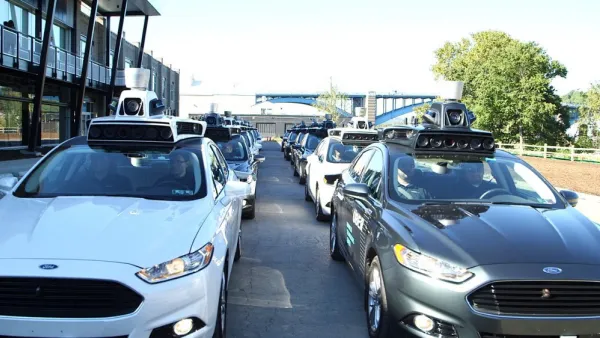
What the Future Looked Like Before the Coronavirus
Common Edge surveyed mayors and urban designers for ideas about what the next decade holds in store for cities. There were plenty of challenges in facing the world before the pandemic.
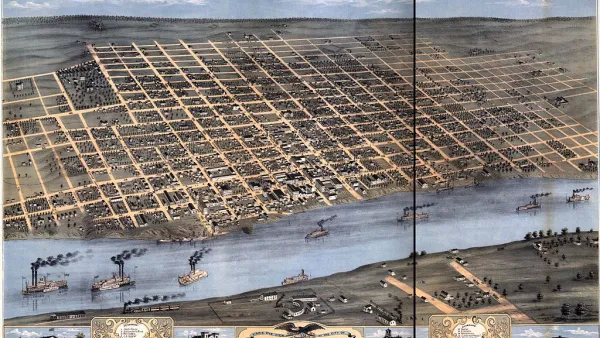
The Long-Term Thinking Cities Need
A roundtable of discussion of prominent urbanists examines the questions of urbanism with a long-term mindset.

The Popsicle Test: What Makes a City Good for Children?
Low crime rates and affordable property preoccupy adults, but kids need something more: the ability to walk the streets and play out on their own. In The Guardian, Viv Groskop explores the "popsicle test" and other elements of child-friendly cities.

Planetizen Federal Action Tracker
A weekly monitor of how Trump’s orders and actions are impacting planners and planning in America.

Amtrak, CN end decades-long dispute with eight-year agreement
The new operating agreement establishes an updated framework for the companies to work together, including processes to resolve disputes.

Judges permit Denver to divert 77,000 acre feet from the Colorado River for reservoir expansion
Overuse and climate change have caused the Colorado River’s water levels to plummet.

NYC DOT wants faster, more permanent street upgrades
The city is examining ways to build more concrete infrastructure without getting entangled in 'decades-long' projects.

'Something we’ve never seen before:' rising utility rates could strain city finances nationwide
Data centers, climate change and other factors have caused utility rates in the United States to increase by 38% since 2020.

Trump to overrule local leaders, lease millions of acres of America’s Pacific Island territories’ seafloors to mining companies
International law says that the Indigenous people of America’s territories have a right to prior and informed consent regarding projects that impact their countries.

FREE Course: Walkable City 1: Why Walkability?
After describing his path towards focusing on walkability as the essence of good planning, Jeff Speck marches through his five principal reasons for making more walkable places.
Reinventing Malls: Planning Alchemy—Turning Gray Fields Into Gold
The course focuses on the opportunities and imperatives that shape reinvention of mall sites.

Harvard University Graduate School of Design
KFH Group Inc.
Greater Baltimore Committee
The Architects Foundation
University of Cincinnati Online
The Pocatello Development Authority
The Urban Renewal Agency of the City of Pocatello