U.S. DOT Secretary Ray LaHood announced this morning which high-speed rail projects would get funded out of the nearly 100 applications they received. The Northeast Corridor was again the big winner.


15 states, along with Amtrak, and 22 high-speed rail projects will be funded to the tune of $2 billion. $795 million of that will go to the Northeast Corridor to increase speeds from 135 to 160 miles per hour in some areas and make other upgrades.
$404.1 million will go to Midwestern high-speed rail, including new track between Detroit and Chicago to increase speeds and upgrades to the Chicago-St. Louis corridor.
Other projects include bridge construction and repair, environmental impact studies, and more.
Full project details are available in the U.S. DOT's press release.
For more up-to-the-minute high-speed rail news, visit The Railist.
Read the full story: U.S. Transportation Secretary LaHood Announces $2 Billion for High-Speed Intercity Rail Projects

Parsing LaHood's Legacy
In the wake of yesterday's surprisingly unsurprising announcement that U.S. Secretary of Transportation Ray LaHood is stepping down, several reporters who focus on transportation issues have taken stock of his tenure.
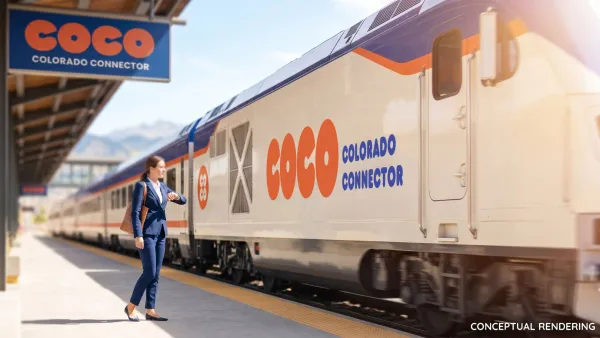
Colorado unveils fox mascot, branding for 'CoCo' high-speed rail
The new Denver-to-Fort Collins train is expected to begin service in 2029.
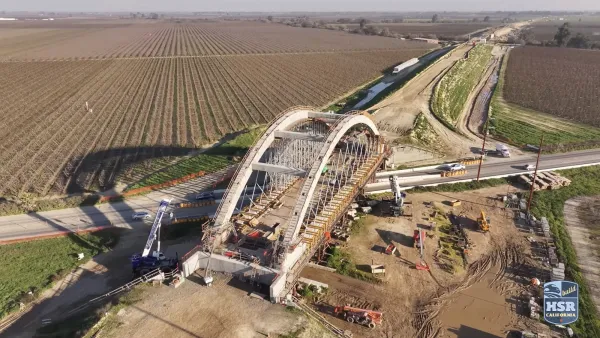
California High-Speed Rail wants to leverage data center revenue to fund trains
By positioning the rail line as a tech and renewable energy corridor, the agency hopes to increase revenue opportunities.

Amtrak, CN end decades-long dispute with eight-year agreement
The new operating agreement establishes an updated framework for the companies to work together, including processes to resolve disputes.

Northwest rail fans eager for Sept. 30 debut of Amtrak’s Airo fleet
Get ready for that new train smell and more seats. But they won’t go faster or run more frequently on the Cascades route in Washington and Oregon.

Judges permit Denver to divert 77,000 acre feet from the Colorado River for reservoir expansion
Overuse and climate change have caused the Colorado River’s water levels to plummet.

NYC to turn city-owned property into thousands of homes
The city has scheduled a public hearing regarding the development for October.

Buses travel at 5mph along this route in NYC. The Bronx's first-ever busway looks to change that
Prior to the busway, buses on the Bx36 route traveled as slowly as 5 miles per hour.

Pittsburg launches 'EZ permits,' aims for one-day turnaround for low-risk permits
The pilot ‘fast lane’ for permits is part of a bundle of modernization efforts for Pittsburg’s permitting process.

FREE Course: Walkable City 1: Why Walkability?
After describing his path towards focusing on walkability as the essence of good planning, Jeff Speck marches through his five principal reasons for making more walkable places.
Reinventing Malls: Planning Alchemy—Turning Gray Fields Into Gold
The course focuses on the opportunities and imperatives that shape reinvention of mall sites.

City of Thousand Oaks
City of Wisconsin Rapids
Harvard University Graduate School of Design
The Architects Foundation
University of Cincinnati Online
The Pocatello Development Authority
The Urban Renewal Agency of the City of Pocatello