Climate change and sea level rise are expected to increase the amount of major storm events worldwide. For coastal parts of New York City, the effects could be catastrophic. The city is trying to plan now for the storms to come.


WNYC takes a detailed look at how extreme weather events are likely to affect New York City, and what the government is doing to mitigate those impacts.
"Mayor Michael Bloomberg's Panel on Climate Change said an increase in the number of such devastating storms is "extremely likely."
John Nolon, a Pace University law professor with an expertise in sustainability law, said city officials have done a good job of at least describing the problem. "A lot of New York City is less than 16 feet above mean sea level," he said. "Lower Manhattan, some points are five feet above sea level. These areas are vulnerable and New York City knows it. Compared to other cities, which are only now beginning to wake up to this issue, I think New York City is much further ahead."
But what to do?
David Bragdon, Director of the Mayor's Office of Long-Term Planning & Sustainability, is charged with preparing for the dangers of climate change. He said the city is taking precautions like raising the pumps at a wastewater treatment plant in the Rockaways and building the Willets Point development in Queens on six feet of landfill. The goal is to manage the risk from 100-year storms – one of the most severe. The mayor's report says by the end of this century, 100-year storms could start arriving every 15 to 35 years."
Read the full story: Sea Level Rise Could Turn New York Into Venice, Experts Warn

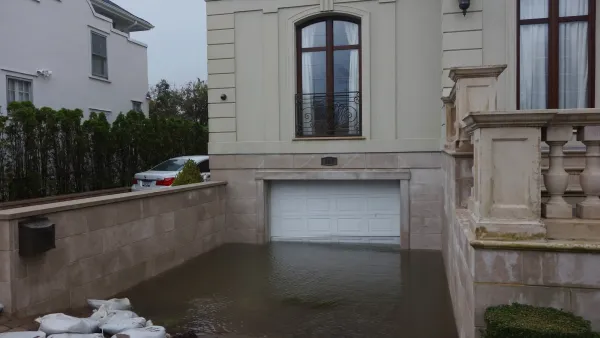
Over 500 NYC ‘Blue Zones’ at Risk of More Destructive Floods
High-risk flood zones cover roughly 20% of the city’s land.
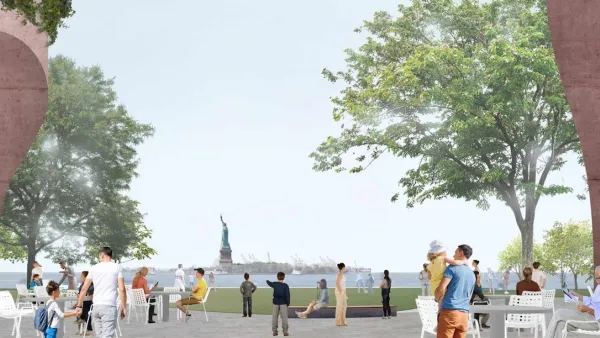
Battery Park Resilience Project Breaks Ground
By 2027, the shoreline will be elevated by 5 feet to prevent flooding from future storm surges.
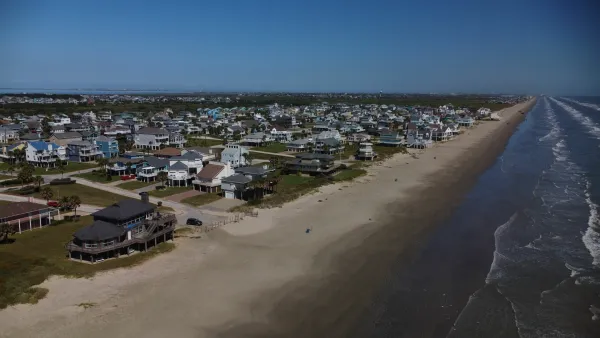
Looking for a Beach House? Check Your Risk First.
A new report from the insurance industry names the historic town of Galveston, Texas as the riskiest place to buy a beach house in the United States.

Amtrak, CN end decades-long dispute with eight-year agreement
The new operating agreement establishes an updated framework for the companies to work together, including processes to resolve disputes.

Northwest rail fans eager for Sept. 30 debut of Amtrak’s Airo fleet
Get ready for that new train smell and more seats. But they won’t go faster or run more frequently on the Cascades route in Washington and Oregon.

Judges permit Denver to divert 77,000 acre feet from the Colorado River for reservoir expansion
Overuse and climate change have caused the Colorado River’s water levels to plummet.

NYC to turn city-owned property into thousands of homes
The city has scheduled a public hearing regarding the development for October.

Buses travel at 5mph along this route in NYC. The Bronx's first-ever busway looks to change that
Prior to the busway, buses on the Bx36 route traveled as slowly as 5 miles per hour.

Pittsburg launches 'EZ permits,' aims for one-day turnaround for low-risk permits
The pilot ‘fast lane’ for permits is part of a bundle of modernization efforts for Pittsburg’s permitting process.

FREE Course: Walkable City 1: Why Walkability?
After describing his path towards focusing on walkability as the essence of good planning, Jeff Speck marches through his five principal reasons for making more walkable places.
Reinventing Malls: Planning Alchemy—Turning Gray Fields Into Gold
The course focuses on the opportunities and imperatives that shape reinvention of mall sites.

City of Thousand Oaks
City of Wisconsin Rapids
Harvard University Graduate School of Design
The Architects Foundation
University of Cincinnati Online
The Pocatello Development Authority
The Urban Renewal Agency of the City of Pocatello