A proposal in L.A. to use recently approved funding to push 30 years of transportation projects into the next decade has elicited a protest from the city's Bus Riders Union.


The group argues that the plan disproportionately targets rail projects, while 80% of the city's transit users rely on bus service. They argue that the subsidies required to run the city's current light rail lines are already taking much money away from cheaper to operate bus lines. Streetsblog L.A. takes a look at the argument.
"However, it's slightly more complicated than just comparing the overall operations subsidy for rail riders versus that for bus riders. The average subsidy for newer rail lines is higher than that for some of the older ones. For example, the average subsidy for riders on the Gold Line was over $23 per passenger in 2007. For the Red Line it was almost $16 and the Green Line just over $12. We can expect that, at least in the short term, every new rail project will increase Metro's needs to raise fares because of the increased defecit created by running rail lines that, in their early years, aren't attracting full ridership."
Read the full story: Bus Rider’s Union Launches Attack on 30/10 in Effort to Fight Fare Hikes

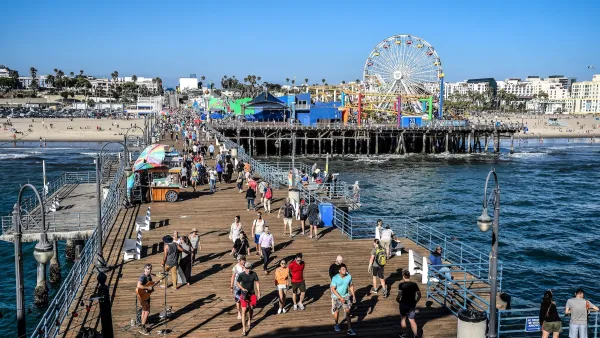
LA County's 'Beach Bus' offers $6 round-trip rides from inland LA to the beach
The annual summer service shuttles residents from eastside communities to Santa Monica.
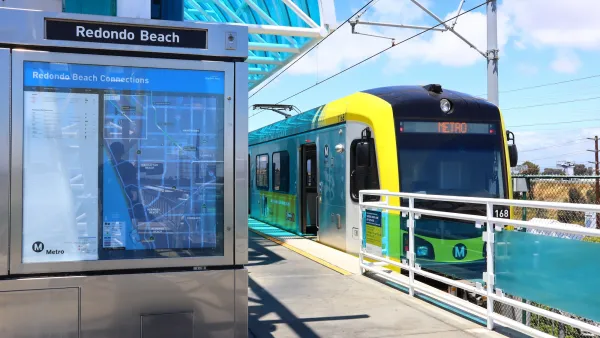
LA Metro Greenlights South Bay Light Rail Extension
When complete, the K Line extension will offer a 19-minute ride from Torrance to LAX.
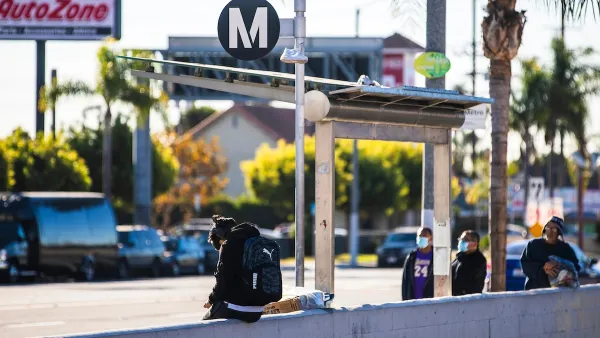
LA Bus Ridership Keeps Dropping as ICE Raids Continue
Bus boardings fell for a second month amid fears of immigration raids.

Planetizen Federal Action Tracker
A weekly monitor of how Trump’s orders and actions are impacting planners and planning in America.

The state-sanctioned urbicide of Austin
People don’t kill cities. Freeways do.

Colorado’s Largest Data Center Could Rise Next to Homes — Without a Public Hearing
The proposed campus would consume 11 times the power of Denver International Airport; as it has across the country, opposition mounts.

Raised interest rates may kill financially vulnerable construction projects
The chief economist at ConstructConnect warns that if construction project owners are negatively impacted by the raised rates, it could result in delayed payments to contractors.
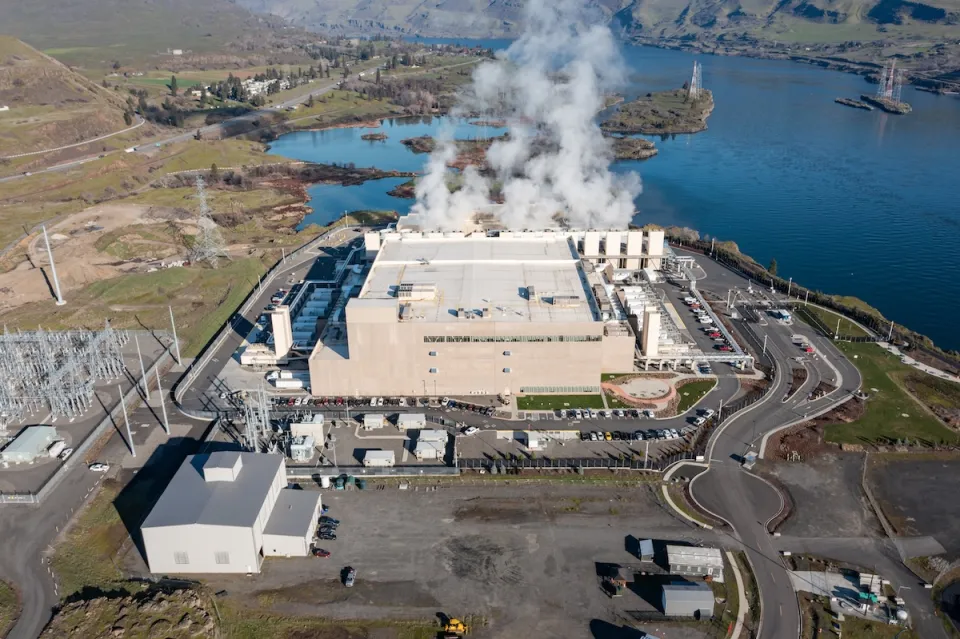
Data centers are consuming nearly 25% of Oregon’s power
The state has 111 data centers, with 32 more either planned or under construction.

A third of Texas cities must update their zoning codes to comply with new housing law
Texas municipalities are now required to allow manufactured housing in at least one residential zoning district.

FREE Course: Walkable City 1: Why Walkability?
After describing his path towards focusing on walkability as the essence of good planning, Jeff Speck marches through his five principal reasons for making more walkable places.
Reinventing Malls: Planning Alchemy—Turning Gray Fields Into Gold
The course focuses on the opportunities and imperatives that shape reinvention of mall sites.

Greater Baltimore Committee
Eagle County Government
Harvard University Graduate School of Design
The Architects Foundation
University of Cincinnati Online
The Pocatello Development Authority
The Urban Renewal Agency of the City of Pocatello
Journal of the American Planning Association