While acknowledging that the 18.4 cent gas tax is insufficient to meet today's and tomorrow's transportation needs, LaHood said that increasing fuel taxes now would jeopardize the economic recovery.


Saying 'no' to increasing gas and diesel taxes and 'no' to a vehicle miles traveled fee does not leave many options opened to increasing funding through a 'pay-as-you-go' approach. Many members of the audience of the American Road and Transportation Builders Association were clearly displeased with this approach as they believe that "a gas tax hike remains the simplest and least costly way to beef up transport infrastructure funding".
"Appearing before a heavily attended conference in Washington, D.C., of the (ARTBA), Transportation Secretary Ray LaHood vowed "raising the gas tax is not an option" to increase money available for federal transport spending.
LaHood said a combination of current-level gas tax receipts, road and bridge tolling and President Obama's proposed infrastructure fund could offer a way to fund a long-term federal infrastructure program without new taxes."
Thanks to Mark Brucker

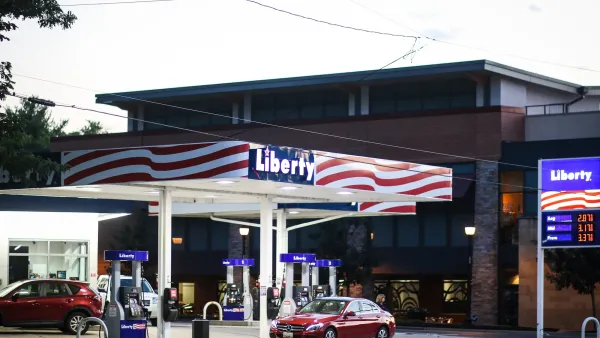
Why does Maryland's gas tax change every year?
The state's annual gas tax update may still not be enough to keep up with changes in the transportation sector and rising project costs.
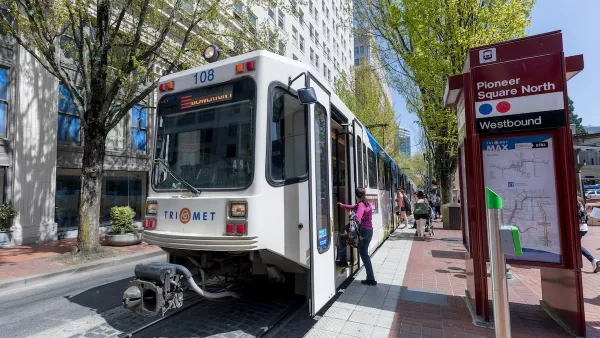
Oregon Transportation Bill Saves 500 ODOT Jobs, but Leaves Future Funding Uncertain
A bill passed in a special legislative session will raise over $4 billion for transportation and public transit in the next 10 years, but fails to establish a long-term funding solution.

Can State Lawmakers Make the Case for Road Charges?
More state legislatures are considering fees based on vehicle miles traveled as a replacement for declining gas tax revenues.

Planetizen Federal Action Tracker
A weekly monitor of how Trump’s orders and actions are impacting planners and planning in America.

California plans to bury El Niño’s downpour
If the state plays its cards right, it may be able to store a billion acre-feet of El Niño’s water in aquifers.

Chicago breaks ground on $3 billion megadevelopment
The new neighborhood, titled Foundry Park, will one day host 3,700 residences.

California High-Speed Rail Authority CEO resigns after $600,000 scandal
Under Ian Choudri, the authority used taxpayer dollars to fund first class flights and trips to nightclubs.

Want to study the Missouri River? Soon, you may need unanimous approval from 10 states
Legislation would require 10 governors’ permission to study or build projects moving water outside the basin.

Desperate measures: Advocates weigh draining Lake Powell to fill Colorado River
Draining the reservoir could reduce evaporation losses by a couple hundred thousand acre-feet.

FREE Course: Walkable City 1: Why Walkability?
After describing his path towards focusing on walkability as the essence of good planning, Jeff Speck marches through his five principal reasons for making more walkable places.
Reinventing Malls: Planning Alchemy—Turning Gray Fields Into Gold
The course focuses on the opportunities and imperatives that shape reinvention of mall sites.

City of Rosemead
Rutgers University, Edward J. Bloustein School of Planning and Public Policy
One Hundred Miles
Hunter College, City University of New York (CUNY)
The Architects Foundation
University of Cincinnati Online
City of Cambridge
Montrose County
The Pocatello Development Authority