In an effort to track and reduce energy use, large buildings in New York City have been eligible for a system that monitors energy use by the hour. But few building owners have signed up.


The "smart meters" can be installed in very large New York City buildings to monitor energy use by the hour, and it will be expanded to some smaller buildings.
"But since it was introduced, the program has attracted just a small percentage of the landlords who can use it. Bob McGee, a spokesman for Con Ed, said that about 100 of 790 eligible buildings use the program now, and that 330 of a potential 1,200 have signed up to begin in May next year.
'It doesn't seem to make sense for the New York market,' said Edward M. Fallon, president of the Building Owners and Managers Association of Greater New York."
Read the full story: A Reluctance to Ride the Market

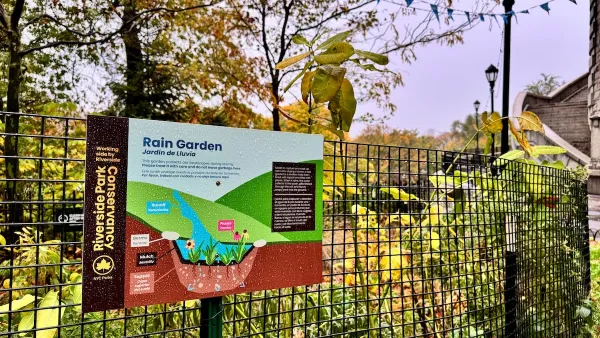
NYC cools commuters with city's first rain garden above a bus stop
New York City officials say the plants in the rain garden can absorb 16 gallons of rainwater during heavy storms.
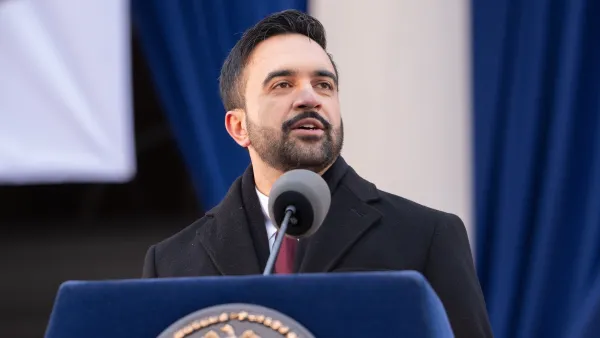
Mamdani overhauls NYC's Vision Zero plan with 100 new policy goals
The overhaul aims to reduce traffic deaths and make streets safer for pedestrians, cyclists and drivers through lower speed limits, new safety infrastructure and more.
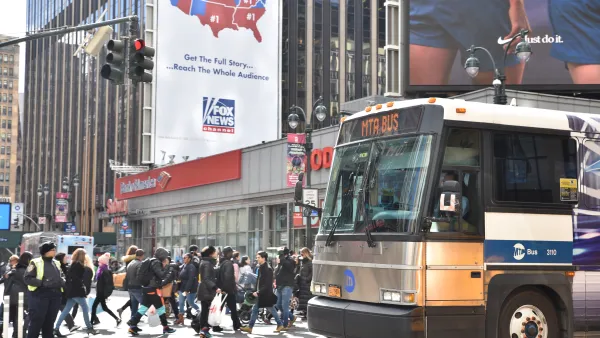
MTA to purchase biggest fleet upgrade in over a decade
The new buses will use a greener alternative to diesel fuel, and aim to improve fleet reliability and air quality.

Planetizen Federal Action Tracker
A weekly monitor of how Trump’s orders and actions are impacting planners and planning in America.

The state-sanctioned urbicide of Austin
People don’t kill cities. Freeways do.

US to reduce Colorado River water deliveries to Mexico
A new Colorado Treaty amendment reduces Mexico’s Colorado River water allocation by 250,000 acre feet.

Nation's most wind-powered state turns to coal as data centers increase energy demand
For the first time in decades, Iowa has increased its generation of coal power.

NYC cools commuters with city's first rain garden above a bus stop
New York City officials say the plants in the rain garden can absorb 16 gallons of rainwater during heavy storms.

Brightline West’s future may rely on $6 billion federal loan
The company has until Nov. 2 to make a $400 million equity investment into its proposed high-speed rail line.

FREE Course: Walkable City 1: Why Walkability?
After describing his path towards focusing on walkability as the essence of good planning, Jeff Speck marches through his five principal reasons for making more walkable places.
Reinventing Malls: Planning Alchemy—Turning Gray Fields Into Gold
The course focuses on the opportunities and imperatives that shape reinvention of mall sites.

Greater Baltimore Committee
Eagle County Government
Harvard University Graduate School of Design
The Architects Foundation
University of Cincinnati Online
The Pocatello Development Authority
The Urban Renewal Agency of the City of Pocatello
Journal of the American Planning Association