Author Chris Steiner looks at the public health and public safety ramifications of higher gas prices.


"There's a bevy of factors behind the surging waistlines of Americans: processed foods, television, videogames, computers, fewer laborious jobs, more service-oriented jobs. But one factor floats just below the oily surface of our largesse: cheap gas. Charles Courtemanche, an economist at the University of North Carolina at Greensboro, has produced a study suggesting that permanent hikes in gas prices may slash obesity rates. The amount is hardly nominal: A sustained $1 increase in the price of a gallon of gasoline equals a 10% dip in the nation's obesity rate--that's about 9 million fewer obese people clogging up health care systems and costing society (and themselves) money."
Thanks to Franny Ritchie
Read the full story: A Skinnier, Safer America
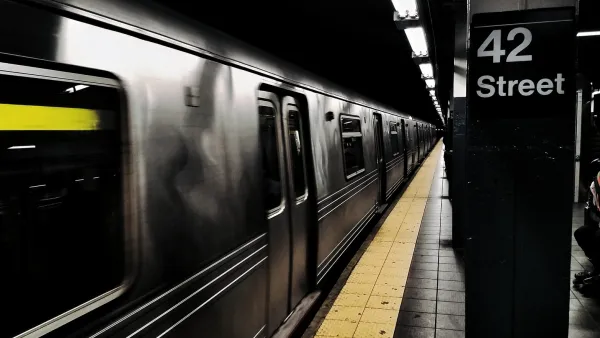
MTA Spending Millions on Cleaning, but Disagreement Over the Need
Deep cleaning of the New York City subway and bus system is part of the Metropolitan Transportation Authority’s coronavirus response. But it is costly and time consuming, and the public health benefits are not entirely clear.
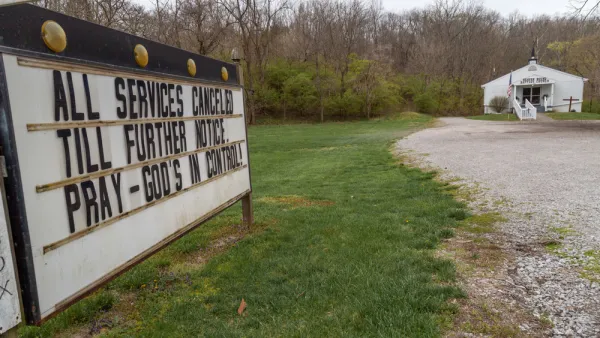
Religion in the Pandemic: First Amendment vs. Public Health and Safety
Conflicts between church and state are being decided in state and federal courts as governors act to protect their constituents from the coronavirus while religious institutions and their supporters seek exceptions from social gathering restrictions.
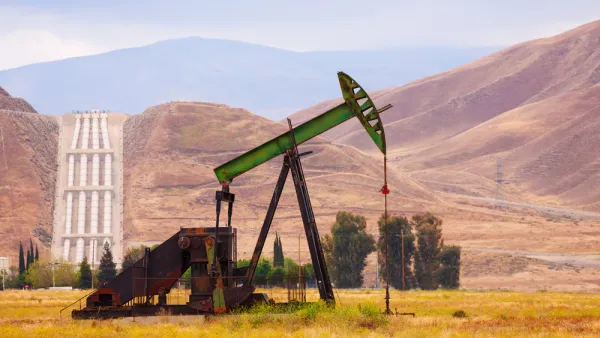
New Oil and Gas Drilling in California May Be Subject to Moratorium
Gov. Gavin Newsom pleased environmentalists by doing what his predecessor, Gov. Jerry Brown, refused – halting all new oil and gas fracking and placing a moratorium on another extraction method linked to a massive oil spill in Kern County.

Washington state to charge fee to drivers with fuel-efficient cars
Revenue from the fee will go towards supporting the state’s highways.

Illinois considers spending $1 billion in taxpayer money on data center
A quantum computing campus and data center are currently under construction in Chicago.

Trump to blast ‘hydrocarbon highway’ through ‘world’s longest art gallery’
Environmental and historic preservation groups are suing to stop the project.

NYC, state sue feds over mixed-immigration-status housing assistance rule
The state’s lawsuit argues that the rule change violates the Administrative Procedure Act.

Michigan to turn neighborhood into virtual power plant
Residents will soon be able to divert their excess energy to the grid in exchange for compensation.

Data center, mining project swarm to long-awaited Alaska railroad line
The state-owned railroad approved final plans for the spur line this week; the project is expected to cost $311 million, mostly funded by the federal government

FREE Course: Walkable City 1: Why Walkability?
After describing his path towards focusing on walkability as the essence of good planning, Jeff Speck marches through his five principal reasons for making more walkable places.
Reinventing Malls: Planning Alchemy—Turning Gray Fields Into Gold
The course focuses on the opportunities and imperatives that shape reinvention of mall sites.

City of Charlotte
City of Rosemead
Rutgers University, Edward J. Bloustein School of Planning and Public Policy
University of Michigan School for Environment and Sustainability (SEAS)
Hunter College, City University of New York (CUNY)
The Architects Foundation
University District Partnership