The Texas Legislature is considering a bill that mirrors efforts in cities across the state and nation to reduce the use of plastic bags or charge for their use.


"Rep. Rafael Anchia, D-Dallas, thinks a 7-cent tax on plastic bags in Texas could be part of the solution to ending use of the ubiquitous and environmentally unfriendly sacks.
The Dallas Democrat wants Texas to join two other states pondering the problems, pollution and politics of taxing each of the ubiquitous sacks that start at groceries, hardware stores and retail shops but often end up in sewer systems, landfills, parking lots, riverbeds, up against fences and blowing down highways.
'If people know that there's an added cost to doing plastic, they're either going to use paper, which is biodegradable, or they're going to bring their own bag,' Anchia said.
Under his bill, a small part of the 7 cents charged on each plastic bag would go back to the retailer while the rest would help cities run their recycling programs.
Virginia and Maryland also are debating similar fees for plastic bags and so are cities such as Seattle, Washington and New York. More than a dozen other cities have passed or are debating bans on the convenient little devils."
Read the full story: Does a proposed plastic bag tax make sense?
City Gives Incentives To Recycle
In Corpus Christi, Texas, officials have entered a public-private partnership to give people more reasons to recycle.
Toughest Recyclers In the West (Or Anywhere)?
The city of San Francisco approves a plan to require composting and recycling citywide by this fall, with fines kicking in within two years.
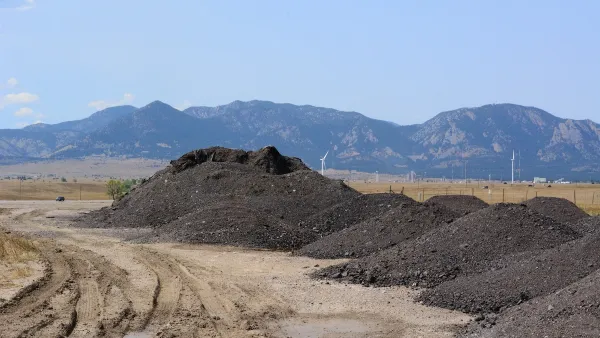
Colorado Ramps Up Rural Recycling Program
The state is creating a framework for building better access to recycling facilities and services for rural residents and businesses.

Washington state to charge fee to drivers with fuel-efficient cars
Revenue from the fee will go towards supporting the state’s highways.

Illinois considers spending $1 billion in taxpayer money on data center
A quantum computing campus and data center are currently under construction in Chicago.

Trump to blast ‘hydrocarbon highway’ through ‘world’s longest art gallery’
Environmental and historic preservation groups are suing to stop the project.

NYC, state sue feds over mixed-immigration-status housing assistance rule
The state’s lawsuit argues that the rule change violates the Administrative Procedure Act.

Michigan to turn neighborhood into virtual power plant
Residents will soon be able to divert their excess energy to the grid in exchange for compensation.

Data center, mining project swarm to long-awaited Alaska railroad line
The state-owned railroad approved final plans for the spur line this week; the project is expected to cost $311 million, mostly funded by the federal government

FREE Course: Walkable City 1: Why Walkability?
After describing his path towards focusing on walkability as the essence of good planning, Jeff Speck marches through his five principal reasons for making more walkable places.
Reinventing Malls: Planning Alchemy—Turning Gray Fields Into Gold
The course focuses on the opportunities and imperatives that shape reinvention of mall sites.

City of Charlotte
City of Rosemead
Rutgers University, Edward J. Bloustein School of Planning and Public Policy
University of Michigan School for Environment and Sustainability (SEAS)
Hunter College, City University of New York (CUNY)
The Architects Foundation
University District Partnership