How often does one hear that transit is somehow a less respectable form of transportation than driving because of the "massive subsidies" transit receives? Well, a new study by Texas DOT says that highways don't pay for themselves either.


A new study completed by the Texas Department of Transportation shows that no highway in Texas has paid for itself in terms of the increased funds the state receives through tolls or gas taxes. In some cases, a road without tolls would need a gas tax of over $2 to "pay for itself."
This study provides support for transportation reform advocates nationwide whether they be pushing congestion pricing locally or AMTRAK nationally. If no transportation project, be it highway, transit or something else, can be said to "pay for itself;" then the arguments of car culture advocates and libertarians who argue against alternative transportation on the basis that it is only viable because of a government subsidy loses what little credibility it has left.
Thanks to Damien Newton
Read the full story: Study: Highways Don't Pay for Themselves

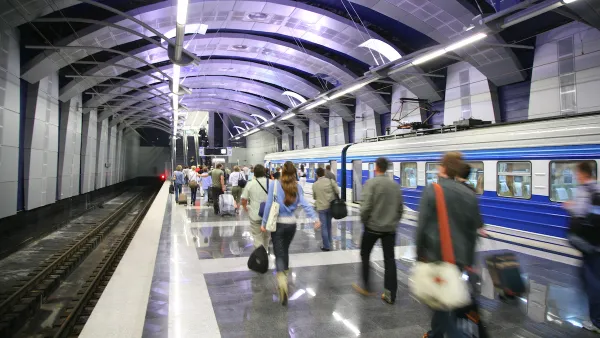
Freedom to Move: Investing in Transportation Choices for a Clean, Prosperous, and Just Future
This Union of Concerned Scientists study examines why and how to improve resource-efficient travel options to achieve diverse goals. It estimates that more efficient transport could save up to $201 billion in energy and $128 billion in health costs.
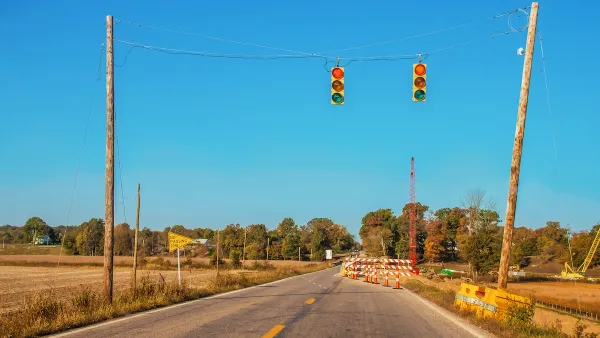
Report: Some Rural States Ahead of More Urbanized Ones in Reducing Transportation Emissions
This is a largely unintended consequence of states with lower populations and resources focusing on repairing existing roads and infrastructure rather than expanding and building new roads.
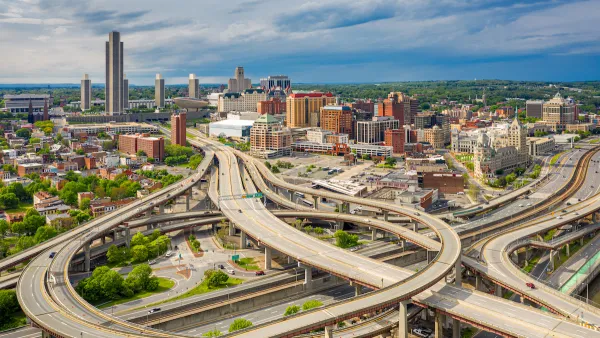
New York State DOT Invests Heavily in Highways Over Transit
So far, the department has allocated 90 percent of its federal transportation funding to road projects and less than 1 percent to transit.

Planetizen Federal Action Tracker
A weekly monitor of how Trump’s orders and actions are impacting planners and planning in America.

‘Going backwards:’ Baltimore mayor, students rally against state's transit funding plan
Maryland's proposed six-year plan provides no funding for Baltimore’s BMORE bus program and reduces its road maintenance funding.

Detroit to transform waterfront with $2.2 billion investment
Developers will convert about 18 acres of unused parking lot space into civic spaces.

Newsom vetoes high-speed rail supervision bill after agency receives condemnatory audit
The audit found the CHSRA approved almost $600,000 in unallowable travel expenses.

Nation sees first electric plane-boat hybrid take off in public demo
The Viceroy Seaglider can fly at speeds of 180mph for up to 180 miles.

One of nation’s poorest counties to receive $6 billion data center
The developers estimate the project will create 200 permanent jobs and 1,000 temporary construction jobs.

FREE Course: Walkable City 1: Why Walkability?
After describing his path towards focusing on walkability as the essence of good planning, Jeff Speck marches through his five principal reasons for making more walkable places.
Reinventing Malls: Planning Alchemy—Turning Gray Fields Into Gold
The course focuses on the opportunities and imperatives that shape reinvention of mall sites.

City of Thousand Oaks
City of Wisconsin Rapids
Harvard University Graduate School of Design
The Architects Foundation
University of Cincinnati Online
Northern Illinois Transit Authority (NITA)
The Pocatello Development Authority
The Urban Renewal Agency of the City of Pocatello