The California DMV is proposing a new framework for light- and heavy-duty self-driving trucks that would enhance reporting requirements and pave the way for autonomous commercial fleets.


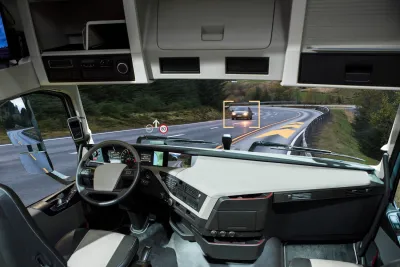
As autonomous vehicles continue their deployment on California roads, the state Department of Motor Vehicles is proposing a new framework for regulating light- and heavy-duty commercial AVs.
According to an article by Alejandra Carranza in Smart Cities Dive, “The proposed framework would allow heavy-duty AVs weighing 10,001 pounds or more to be tested with a DMV-approved permit.” The new rules would also enhance data reporting requirements, update protocols for interacting with first responders, and create a new procedure for law enforcement reporting for light-duty AVs.
“The agency said such steps ensure manufacturers meet stringent safety requirements through a comprehensive process that is tailored to each manufacturer’s technology and operational environment,” Carranza adds. However, California is one of the few states that allow heavy-duty driverless trucks to operate without a human operator.
FULL STORY: California DMV proposes new AV regulation framework

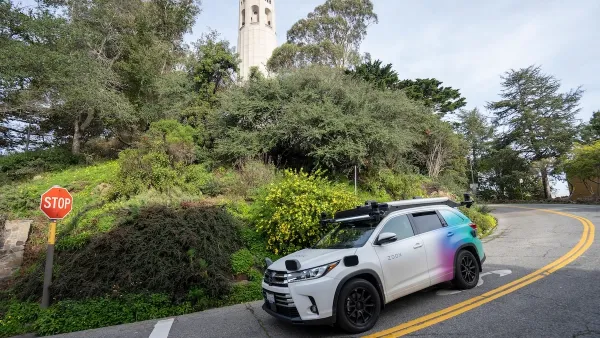
California Governor Vetoes Autonomous Truck Ban, Approves New Guidelines for AVs
A new law will allow police to issue citations to self-driving car operators and create stricter guidelines for crashes and interactions with first responders.

California lifts ban on heavy-duty autonomous vehicles
AV manufacturers can begin testing self-driving vehicles weighing over 10,001 pounds on California roads.

California Governor Vetoes Autonomous Truck Ban
Gov. Newsom called the new law unnecessary, citing existing efforts by state regulators to develop new rules around autonomous trucking.

Planetizen Federal Action Tracker
A weekly monitor of how Trump’s orders and actions are impacting planners and planning in America.

The state-sanctioned urbicide of Austin
People don’t kill cities. Freeways do.

US to reduce Colorado River water deliveries to Mexico
A new Colorado Treaty amendment reduces Mexico’s Colorado River water allocation by 250,000 acre feet.

Mamdani overhauls NYC's Vision Zero plan with 100 new policy goals
The overhaul aims to reduce traffic deaths and make streets safer for pedestrians, cyclists and drivers through lower speed limits, new safety infrastructure and more.

Amtrak not solely to blame for New Jersey commuter rail's unreliability, report finds
A new study from the Garden State Initiative found that NJ Transit’s budget grew 20% across a 4 year period, but reliability declined significantly over the same period.

EPA erases limits on planet-warming pollution from power plants
Under Monday’s plan, power plants would still have some limits on how much mercury, arsenic and other contaminants they can emit.

FREE Course: Walkable City 1: Why Walkability?
After describing his path towards focusing on walkability as the essence of good planning, Jeff Speck marches through his five principal reasons for making more walkable places.
Reinventing Malls: Planning Alchemy—Turning Gray Fields Into Gold
The course focuses on the opportunities and imperatives that shape reinvention of mall sites.

Eagle County Government
Harvard University Graduate School of Design
Nashville Planning Department
The Architects Foundation
University of Cincinnati Online
The Pocatello Development Authority
The Urban Renewal Agency of the City of Pocatello
Journal of the American Planning Association