Gov. Newsom called the new law unnecessary, citing existing efforts by state regulators to develop new rules around autonomous trucking.



After California state legislators passed a law banning self-driving trucks until the early 2030s, Governor Gavin Newsom vetoed the law, paving the way for autonomous trucks in spite of concerns raised by the Teamsters union, which represents truck drivers, and road safety advocates. “Labor advocates argued the California ban on driverless trucks was needed to protect state residents from tech that’s not ready for prime time.”
According to an article in Wired by Aarian Marshall, “In a letter released yesterday, Newsom wrote that the law is ‘unnecessary,’ because California already has two agencies, the Department of Motor Vehicles and the state Highway Patrol, overseeing and creating regulations for the new technology.” Autonomous trucks were not yet approved for testing on California roads as these regulators work to develop new sets of rules.
Elsewhere in the United States, such as Texas, “None of the companies testing autonomous trucks in the US have removed safety drivers, who are trained to take over when the vehicle goes wrong, from behind the wheels of their big rigs.”
More on autonomous vehicles in California:
FULL STORY: California’s Governor Gavin Newsom Vetoes State Ban on Driverless Trucks

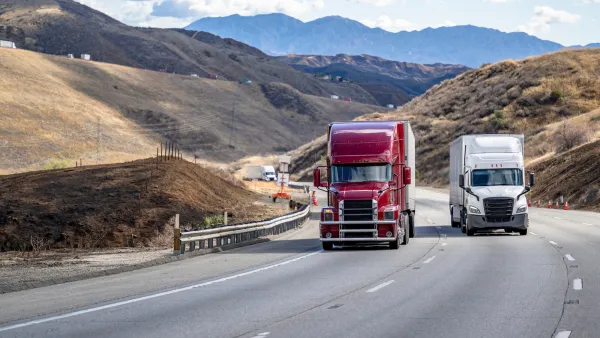
California lifts ban on heavy-duty autonomous vehicles
AV manufacturers can begin testing self-driving vehicles weighing over 10,001 pounds on California roads.
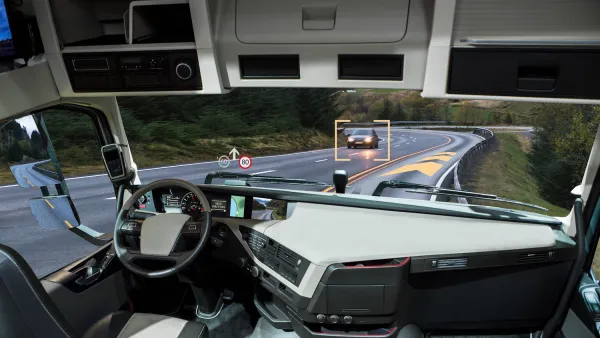
California Is Retooling its AV Guidelines
The California DMV is proposing a new framework for light- and heavy-duty self-driving trucks that would enhance reporting requirements and pave the way for autonomous commercial fleets.
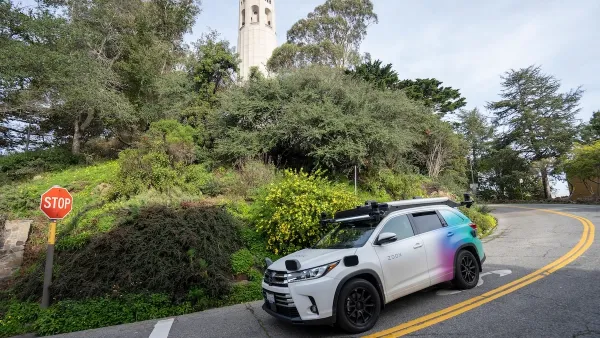
California Governor Vetoes Autonomous Truck Ban, Approves New Guidelines for AVs
A new law will allow police to issue citations to self-driving car operators and create stricter guidelines for crashes and interactions with first responders.

Planetizen Federal Action Tracker
A weekly monitor of how Trump’s orders and actions are impacting planners and planning in America.

The state-sanctioned urbicide of Austin
People don’t kill cities. Freeways do.

US to reduce Colorado River water deliveries to Mexico
A new Colorado Treaty amendment reduces Mexico’s Colorado River water allocation by 250,000 acre feet.

Baltimore to break ground on $50 million Transit Priority Project
The project will bring faster bus trips, safer streets and better bike connections to Baltimore.

Airbnb launches $250 million 'last-dollar financing' housing accelerator, makes first investment in Austin
The company will put $6.4 million towards affordable housing development in Texas’ capital.

Guerilla urbanists are building DIY bus stop benches in Chicago
A before-and-after of one of the bus stops with a new bench. The new benches are not officially sanctioned or permitted, but the residents who placed them hope they will be the start of a network of DIY benches across the city.

FREE Course: Walkable City 1: Why Walkability?
After describing his path towards focusing on walkability as the essence of good planning, Jeff Speck marches through his five principal reasons for making more walkable places.
Reinventing Malls: Planning Alchemy—Turning Gray Fields Into Gold
The course focuses on the opportunities and imperatives that shape reinvention of mall sites.

Eagle County Government
Harvard University Graduate School of Design
Nashville Planning Department
The Architects Foundation
University of Cincinnati Online
The Pocatello Development Authority
The Urban Renewal Agency of the City of Pocatello
Journal of the American Planning Association