The time to craft a comprehensive set of regulations governing safety, privacy, accessibility, and equity is now.


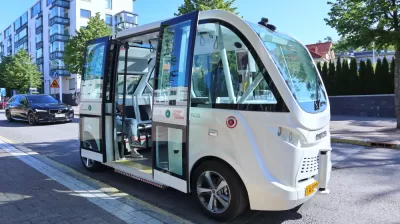
In an op-ed in Next City, Yonah Freemark argues that the United States urgently needs new regulations governing autonomous vehicles. Freemark outlines the potential benefits of AVs: improved safety, more time for commuters, expanded access to transportation. “But there’s no guarantee these benefits will be achieved,” Freemark continues.
A botched AV deployment could result in more pedestrians exposed to traffic crashes. AV camera systems — essential to allow these vehicles to navigate the streets — could invade peoples’ privacy. And AVs, like current ride-hailing services, could offer less equitable access to mobility for people with low incomes, while producing more traffic than ever.
Freemark points to new research from the Urban Institute that shows how federal, state, and local regulations can guide the rollout of AVs to maximize benefits and minimize harms. Important steps include comprehensive driving tests aimed specifically at autonomous cars, regulations around privacy, and minimum service requirements to ensure equitable distribution of commercial AVs like those used by ride-hailing companies.
FULL STORY: Without New Regulations, Self-Driving Cars Could Make Our Transportation System Even Worse

USDOT Waters Down Self-Driving Car Regulations
The agency is reducing reporting requirements for autonomous vehicles and cars with self-driving features, prompting concern among safety advocates who say transparency is essential to the safe deployment of AV technology.
Feds Launch Investigation Into Autonomous Vehicle Safety
With self-driving vehicles allowed on public streets in 20 states, federal regulators are beginning to scrutinize the industry for safety concerns.
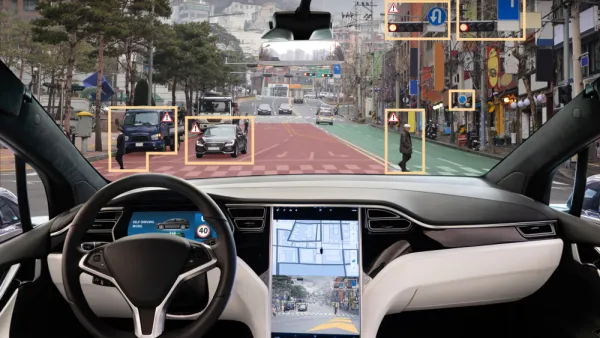
NACTO Fights Autonomous Vehicle Safety Exemptions
Two major automakers have petitioned for the right to test thousands of vehicles without major safety features such as brake pedals and steering wheels.

The state-sanctioned urbicide of Austin
People don’t kill cities. Freeways do.

US to reduce Colorado River water deliveries to Mexico
A new Colorado Treaty amendment reduces Mexico’s Colorado River water allocation by 250,000 acre feet.

New Jersey’s second-largest city bans standalone data centers
Jersey City will continue to allow co-location facilities, such as those meant for research institutions that store their own data.

Amtrak not solely to blame for New Jersey commuter rail's unreliability, report finds
A new study from the Garden State Initiative found that NJ Transit’s budget grew 20% across a 4 year period, but reliability declined significantly over the same period.

EPA erases limits on planet-warming pollution from power plants
Under Monday’s plan, power plants would still have some limits on how much mercury, arsenic and other contaminants they can emit.

Phoenix announces new on-demand transit service, more frequent RAPID buses
Both new services will launch in October, and are part of Phoenix's Project Effective Access Solutions for Easing Congestion.

FREE Course: Walkable City 1: Why Walkability?
After describing his path towards focusing on walkability as the essence of good planning, Jeff Speck marches through his five principal reasons for making more walkable places.
Reinventing Malls: Planning Alchemy—Turning Gray Fields Into Gold
The course focuses on the opportunities and imperatives that shape reinvention of mall sites.

Eagle County Government
Harvard University Graduate School of Design
Nashville Planning Department
The Architects Foundation
University of Cincinnati Online
The Pocatello Development Authority
The Urban Renewal Agency of the City of Pocatello
Journal of the American Planning Association