The Well Done Foundation and U.S. Fish and Wildlife Service are partnering to plug over 110 orphan wells across four National Wildlife Refuges, restoring habitats, protecting ecosystems, and reducing methane emissions.


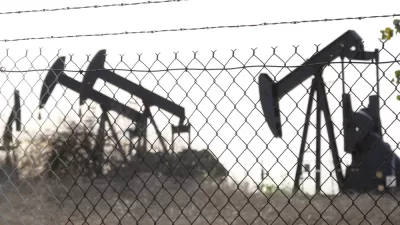
The Well Done Foundation (WDF), a national nonprofit dedicated to addressing orphaned oil and gas wells, has partnered with the U.S. Fish and Wildlife Service (USFWS) to restore critical habitats across four National Wildlife Refuges. Backed by a $19.2 million grant, this initiative will target over 110 orphan wells in refuges including Deep Fork and Sequoyah in Oklahoma, Hailstone in Montana, and Baskett Slough in Oregon. These efforts will protect visitors, subsurface and surface waters, wetlands, and sensitive ecosystems, highlighting a groundbreaking commitment to both environmental conservation and public safety.
WDF plans to conduct comprehensive surveys, implement erosion and spill controls, and perform methane and water quality testing before and after plugging wells. Additional activities include soil remediation, site restoration, and annual post-plug monitoring. This collaborative effort also aims to address broader environmental challenges by building partnerships with nonprofits, tribes, and educational institutions for training, workforce development, and volunteer programs, enhancing both public engagement and land stewardship.
The project continues WDF’s proven track record, with the organization plugging over 46 high-priority wells since 2019 and eliminating more than 1.5 million metric tons of methane emissions. By restoring these refuge lands, the collaboration reinforces the balance between natural ecosystems and human development, ensuring safer, healthier habitats for wildlife and visitors alike.

Silent Threat: America’s Abandoned Oil Wells and the Danger Beneath
Abandoned oil and gas wells across the U.S. pose significant environmental, health, and safety risks, with many leaking hazardous gases and chemicals, highlighting regulatory failures and the immense financial burden of remediation.
California Seals 21 Urban Oil Wells in South LA After Decades of Activism
The permanent closure of a long-troubled South Los Angeles oil site marks a hard-fought victory for residents and underscores the growing urgency of addressing hazardous idle wells in communities nationwide.
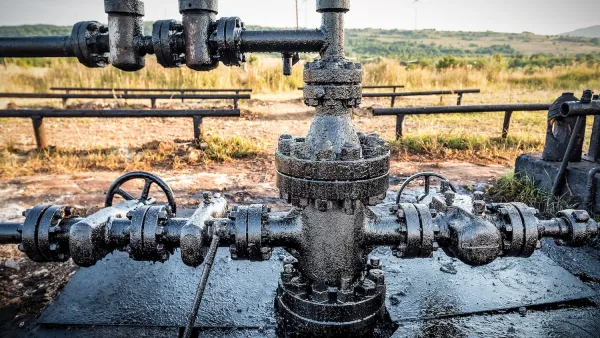
Mapping Groundwater Risks from Orphan Wells Across U.S. Aquifers
A new USGS study reveals that more than half of the nation’s documented orphan wells lie within aquifers supplying the vast majority of U.S. groundwater, posing widespread risks of contamination from aging, unplugged infrastructure.

Planetizen Federal Action Tracker
A weekly monitor of how Trump’s orders and actions are impacting planners and planning in America.

The state-sanctioned urbicide of Austin
People don’t kill cities. Freeways do.

US to reduce Colorado River water deliveries to Mexico
A new Colorado Treaty amendment reduces Mexico’s Colorado River water allocation by 250,000 acre feet.

Mamdani overhauls NYC's Vision Zero plan with 100 new policy goals
The overhaul aims to reduce traffic deaths and make streets safer for pedestrians, cyclists and drivers through lower speed limits, new safety infrastructure and more.

Amtrak not solely to blame for New Jersey commuter rail's unreliability, report finds
A new study from the Garden State Initiative found that NJ Transit’s budget grew 20% across a 4 year period, but reliability declined significantly over the same period.

EPA erases limits on planet-warming pollution from power plants
Under Monday’s plan, power plants would still have some limits on how much mercury, arsenic and other contaminants they can emit.

FREE Course: Walkable City 1: Why Walkability?
After describing his path towards focusing on walkability as the essence of good planning, Jeff Speck marches through his five principal reasons for making more walkable places.
Reinventing Malls: Planning Alchemy—Turning Gray Fields Into Gold
The course focuses on the opportunities and imperatives that shape reinvention of mall sites.

Eagle County Government
Harvard University Graduate School of Design
Nashville Planning Department
The Architects Foundation
University of Cincinnati Online
The Pocatello Development Authority
The Urban Renewal Agency of the City of Pocatello
Journal of the American Planning Association