A group of Lincoln Heights residents expressed concerns about a proposed warehouse that would have brought increased truck traffic to an already overburdened area.



Residents in the Los Angeles community of Lincoln Heights banded together to stop a proposed warehouse project that would have brought large amounts of traffic through a residential neighborhood.
As Jim Newton explains in CALmatters, the project is “adjacent to a school, and it’s right in the middle of a community that’s already overburdened. The residents of Lincoln Heights carry more than their share of the pollution and inconvenience that modern society extracts in return for commerce.”
City Councilmember Eunisses Hernandez, who represents the area, says the developer
failed to secure the necessary permits. “If they intend to go forward with the warehouse, they will need to hold public hearings and address the neighborhood’s concerns.”
Ultimately, the project could still go forward, but there will be a lot more checks in place to ensure community concerns are heard. “For now, Lincoln Heights gets a reprieve, as well as a mobilized set of residents and a council member committed to looking out for them.”
FULL STORY: Setback for Los Angeles warehouse project made Lincoln Heights a stronger community


Los Angeles County Launches Environmental Justice Department
The new department will develop plans for addressing the impacts of air and water pollution, extreme heat, and climate change on vulnerable communities.

The Impact of Amazon Warehouses on Communities
Often located in low-income communities of color, Amazon's warehouses contribute to public health impacts like poor air quality, noise pollution, and traffic congestion.
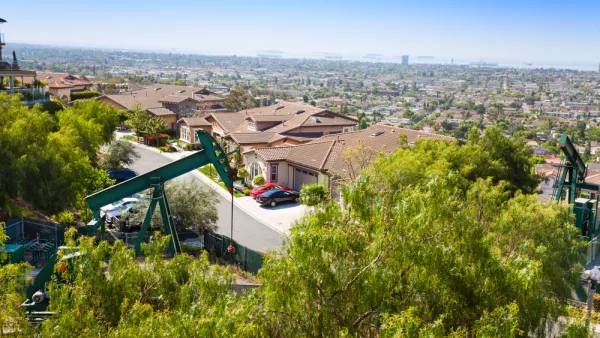
Study: L.A. County's Urban Oil Wells Are Too Close to Homes and Schools
The Department of Public Health recommends taking action to better protect residents from oil operations that are sometimes only a few feet from where people live, work, eat, play and study.

Planetizen Federal Action Tracker
A weekly monitor of how Trump’s orders and actions are impacting planners and planning in America.

The state-sanctioned urbicide of Austin
People don’t kill cities. Freeways do.

US to reduce Colorado River water deliveries to Mexico
A new Colorado Treaty amendment reduces Mexico’s Colorado River water allocation by 250,000 acre feet.

5 New England states march closer to 800 megawatt wind energy project
Securing federal approval for the project may be complicated under the Trump administration, which has historically been hostile towards domestic wind power.

Baltimore to break ground on $50 million Transit Priority Project
The project will bring faster bus trips, safer streets and better bike connections to Baltimore.

Airbnb launches $250 million 'last-dollar financing' housing accelerator, makes first investment in Austin
The company will put $6.4 million towards affordable housing development in Texas’ capital.

FREE Course: Walkable City 1: Why Walkability?
After describing his path towards focusing on walkability as the essence of good planning, Jeff Speck marches through his five principal reasons for making more walkable places.
Reinventing Malls: Planning Alchemy—Turning Gray Fields Into Gold
The course focuses on the opportunities and imperatives that shape reinvention of mall sites.

Eagle County Government
Harvard University Graduate School of Design
Nashville Planning Department
The Architects Foundation
University of Cincinnati Online
The Pocatello Development Authority
The Urban Renewal Agency of the City of Pocatello
Journal of the American Planning Association