Chicago is one of 700 U.S. cities with combined sewer and stormwater systems that often lead to flooding during major rain events.


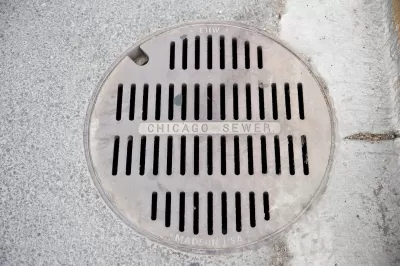
Chicago will update its 2014 green stormwater infrastructure plan in response to a new state permit program that requires cities to make improvements to combined sewer and stormwater systems that allow sewage to enter local waterways during flood events, a type of system common in hundreds of cities around the country.
As Ysabelle Kempe explains in Smart Cities Dive, the city is issuing a request for proposals for building more sustainable water infrastructure and collecting stormwater where it falls before letting it flow to rivers and lakes. “Chicago is looking for a consultant to map the city’s progress on GSI since 2014, conduct a cost-benefit analysis of existing GSI, examine other cities’ strategies, determine implementation challenges and identify potential policy changes that could promote more equitable GSI investments.”
The Illinois National Pollutant Discharge Elimination System Permit requires an expansion of the GSI strategy as well as a focus on environmental justice communities and improved monitoring, reporting, and public engagement on stormwater and sewer issues.
FULL STORY: Storms send sewage into Chicago waterways. The city hopes a new green infrastructure plan can help.

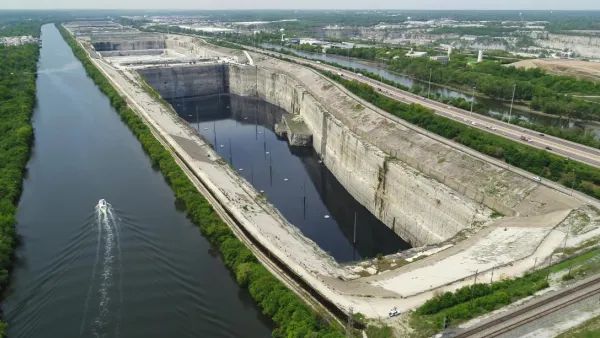
Chicago's underground flood control system is almost full
The system known as Deep Tunnel has never filled much more than halfway, but the cumulative effect of recent rains is putting suburban communities at risk of flooding.
Adapting Combined Sewer-Stormwater Systems to Climate Change
Only one coastal city has a sewer system that must handle stormwater as well as wastewater. San Francisco's efforts to adapt its combined sewer-stormwater system has put it on the vanguard of the city's climate adaptation efforts.

Study: Outdated Stormwater Infrastructure Exacerbates Flooding
Infrastructure built to mitigate flooding a century ago no longer serves current needs.

Planetizen Federal Action Tracker
A weekly monitor of how Trump’s orders and actions are impacting planners and planning in America.

The state-sanctioned urbicide of Austin
People don’t kill cities. Freeways do.

US to reduce Colorado River water deliveries to Mexico
A new Colorado Treaty amendment reduces Mexico’s Colorado River water allocation by 250,000 acre feet.

5 New England states march closer to 800 megawatt wind energy project
Securing federal approval for the project may be complicated under the Trump administration, which has historically been hostile towards domestic wind power.

Baltimore to break ground on $50 million Transit Priority Project
The project will bring faster bus trips, safer streets and better bike connections to Baltimore.

Airbnb launches $250 million 'last-dollar financing' housing accelerator, makes first investment in Austin
The company will put $6.4 million towards affordable housing development in Texas’ capital.

FREE Course: Walkable City 1: Why Walkability?
After describing his path towards focusing on walkability as the essence of good planning, Jeff Speck marches through his five principal reasons for making more walkable places.
Reinventing Malls: Planning Alchemy—Turning Gray Fields Into Gold
The course focuses on the opportunities and imperatives that shape reinvention of mall sites.

Eagle County Government
Harvard University Graduate School of Design
Nashville Planning Department
The Architects Foundation
University of Cincinnati Online
The Pocatello Development Authority
The Urban Renewal Agency of the City of Pocatello
Journal of the American Planning Association