Coal mining in Wyoming will take a major hit as a result of a U.S. Department of Interior plan to cease future leasing of coal mines in the nation's most productive coal mining basin. The decision casts a spotlight on the presidential election.



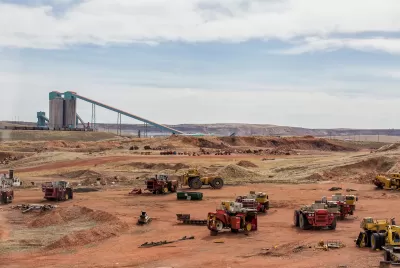
The Washington Post reported last month on what appeared to be a huge win for environmentalists fighting climate change from a supply-side perspective.
“In one of its biggest steps yet to keep fossil fuels in the ground, the Biden administration announced Thursday that it will end new coal leasing in the Powder River Basin, which produces nearly half the coal in the United States,” wrote Maxine Joselow on May 16.
The proposed ban on new coal leases comes in the form of a resource plan management amendment and final supplemental environmental impact statement [SEIS] issued on May 17 by the Bureau of Land Management (BLM), a division of the U.S. Department of Interior, for its Buffalo Field Office in Wyoming.
The ‘no leasing alternative’ applies to the ‘Coal Development Potential Area’ located within Campbell County, Wyoming, encompassing approximately 48 billion short tons of recoverable BLM-administered Federal coal, according to the Federal Register announcement of the BLM decision. The two other alternatives the BLM considered were ‘no action' and allowing a 'reduced level' of coal leasing within the area. The decision is nearly finalized.
Protest of the Proposed [Resource Management Plan] constitutes the final opportunity for administrative review of the proposed land use planning decisions prior to the BLM adopting an approved RMP.
Roots of the decision lie in presidential energy policies
The Biden administration's decision to end new coal leasing in the basin stems from an August 2, 2022 court ruling, Western Organization of Resource Councils et al v. United States Bureau of Land Management, by the United States District Court for the District of Montana," notes the BLM press release.
However, the roots of the successful lawsuit go back two presidential administrations, beginning in January 2016 when the Obama administration declared a ‘pause in new coal leasing,’ a follow-up to a pledge made in President Barack Obama's final state of the union address.
What happened next is instructive for those who follow federal energy policy and presidential politics as we enter the 2024 presidential campaign.
A year later, the Trump administration reversed the pause with President Donald Trump signing an executive order on March 28, 2017 that began the roll back of his predecessor's signature environmental rule, the Clean Power Plan, as noted in the post, “Coal Miners Are Going Back to Work...” The executive order also directed the Department of Interior “to lift any and all moratoria on Federal land coal leasing activities.”
Environmentalists and the Northern Cheyenne Tribe filed a lawsuit on May 17 that would lead to the 2022 court order from the federal district court in Montana.
“In the [2022] ruling, U.S. District Judge Brian Morris found that BLM failed to comply with a previous court order directing the agency to account for the environmental and human health impacts of burning publicly owned coal,” according to a Sierra Club press release issued May 16, 2024 celebrating the BLM decision.
What's next?
The BLM's decision to select Alternative A (the No Leasing Alternative) in its land use plan for the Powder River Basin last month reflected, in part, the Biden administration's climate agenda, particularly on reducing emissions from the burning of fossil fuels, albeit from a supply-side perspective.
A second Trump administration would no doubt reflect an energy security agenda, much like it did during his term as the 45th president, as noted in just a few posts below, in addition to those shown in “related” under this blog, from that period to reflect that focus:
- Coal Miners Are Going Back to Work, Proclaims Trump Upon Signing Executive Order, March 29, 2017
- Interior Secretary Issues Order to Expedite Drilling on Public Lands, July 10, 2017
- Keeping Old Coal Plants Operating Just Became a Matter of National Security, June 4, 2018
The BLM decision, made under the leadership of Department of Interior Secretary Deb Haaland, should serve as a reminder that America's future energy and environmental policies are very much on the ballot on November 5 in the United States and elsewhere this year.
Hat tip to Hari Lamba and Sierra Club California Energy-Climate Committee.

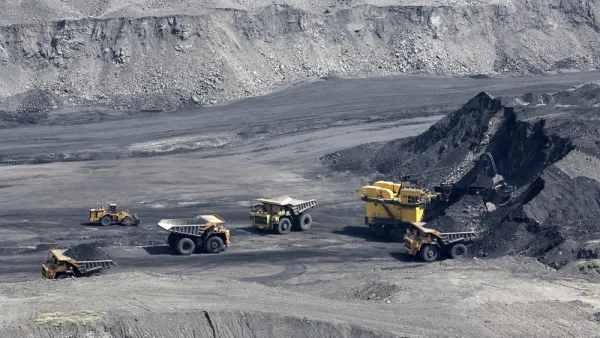
Judge Halts Sales of New Coal Mining Leases on Federal Lands
Once again, the president's efforts to undo his predecessor's environmental legacy were thwarted by a court ruling. In this case, the Interior Department's failure to conduct an environmental review of a Trump executive order ran afoul of NEPA.
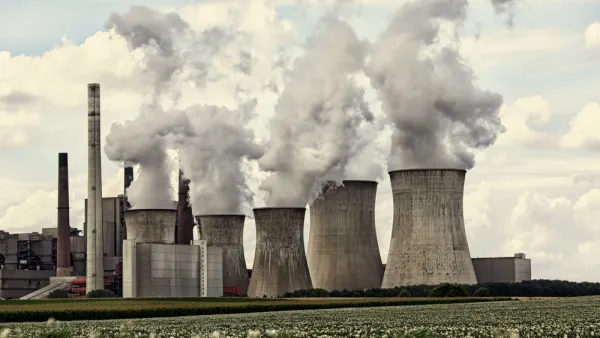
It's Official: Obama's Clean Power Plan Has Been Replaced by the Trump Administration
It took less than a year for the EPA to finalize the Affordable Clean Energy rule, which will allow older coal-burning plants to continue operating, in the Trump administration's most consequential environmental rollback accomplished to date.
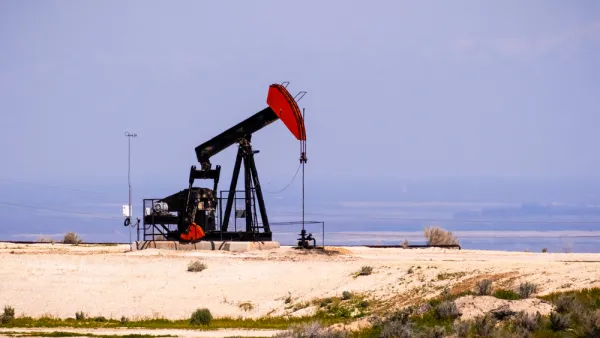
Department of Interior Plans to Open 1 Million Acres in California to Fracking
The Bakersfield Office of the Bureau of Land Management released an environmental study that is the basis for undoing a 2013 de facto moratorium on fracking on federal lands in California. The Supplemental EIS triggers a 45-day public comment period.

Planetizen Federal Action Tracker
A weekly monitor of how Trump’s orders and actions are impacting planners and planning in America.

Amtrak, CN end decades-long dispute with eight-year agreement
The new operating agreement establishes an updated framework for the companies to work together, including processes to resolve disputes.

Judges permit Denver to divert 77,000 acre feet from the Colorado River for reservoir expansion
Overuse and climate change have caused the Colorado River’s water levels to plummet.

Philadelphia to invest $2 billion into upgrading city airports as PHL places last in customer satisfaction
Modernizations to Philadelphia's airports will include baggage system upgrades and a new automated parking garage guidance system.

The LA housing policies making developers turn away from the city
Despite LA’s housing shortage, developers say the city’s "mansion-tax" and pandemic-era policies make it an unappealing place to build housing.

New density bill would require 7 California cities to establish regional transit hubs
The bill would also require major cities in California to permit high-rise residential buildings.

FREE Course: Walkable City 1: Why Walkability?
After describing his path towards focusing on walkability as the essence of good planning, Jeff Speck marches through his five principal reasons for making more walkable places.
Reinventing Malls: Planning Alchemy—Turning Gray Fields Into Gold
The course focuses on the opportunities and imperatives that shape reinvention of mall sites.

City of Wisconsin Rapids
Harvard University Graduate School of Design
KFH Group Inc.
The Architects Foundation
University of Cincinnati Online
The Pocatello Development Authority
The Urban Renewal Agency of the City of Pocatello

