A group of residents is charging the city with violating accessibility requirements by blocking vehicular traffic on some blocks.



Lawyers representing New York City are asking a federal court to throw out a lawsuit that challenges the city’s Open Streets program, citing concerns about accessibility.
As Kevin Duggan notes in Streetsblog NYC, “Attorneys with the city said the program only covers a minuscule share of the city's streetscape, and that officials do not have to provide front-door access on every single street around the clock.” The city notes that it only approved vehicle restrictions on 25 miles of streets — or 0.4 percent — last year.
The lawyers said the open streets program makes roads safer, while most city streets remain open to vehicles. “Advocates and legal experts at the time slammed the case for ignoring the endless ways in which cars have long blocked access all over the city and how drivers have long endangered seniors and the disabled.”
The article adds that “DOT’s recently finalized open streets rules allow anyone to move barriers temporarily to gain access, and the agency may provide assistance on request to people who are eligible for Access-A-Ride, or hold a valid parking permit for people with disabilities.”
FULL STORY: City Urges Judge to Toss Anti-Open Streets Lawsuit

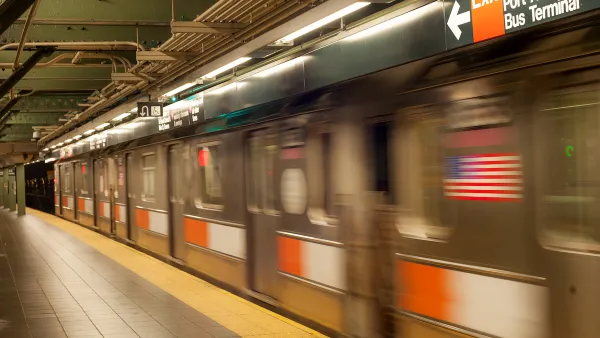
Report: NYC Transit Accessibility Depends on Congestion Pricing Revenue
The ability of the MTA to complete its accessibility upgrades relies on funding from the upcoming congestion pricing program.
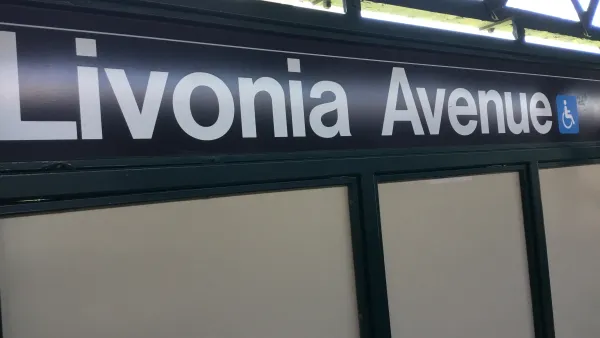
New York Subway Begins Accessibility Improvements
The MTA is putting its effort to improve the system’s century-old stations to make them more universally accessible in high gear, adding elevators, boarding upgrades, and mechanical improvements.
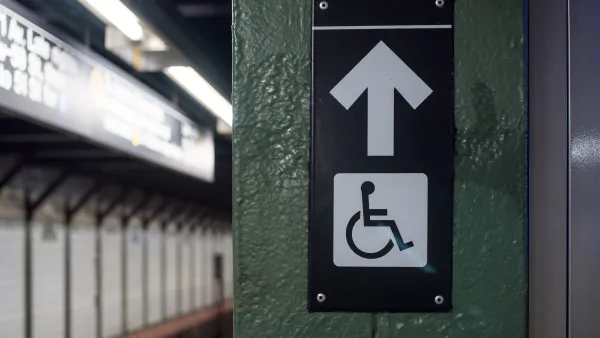
New York Must Make Almost All Subway Stations Accessible by 2055, Judge Rules
Another recent ruling is forcing the agency to accelerate its efforts to make all New York subway stations accessible to people with disabilities and mobility issues.

The state-sanctioned urbicide of Austin
People don’t kill cities. Freeways do.

US to reduce Colorado River water deliveries to Mexico
A new Colorado Treaty amendment reduces Mexico’s Colorado River water allocation by 250,000 acre feet.

New Jersey’s second-largest city bans standalone data centers
Jersey City will continue to allow co-location facilities, such as those meant for research institutions that store their own data.

Amtrak not solely to blame for New Jersey commuter rail's unreliability, report finds
A new study from the Garden State Initiative found that NJ Transit’s budget grew 20% across a 4 year period, but reliability declined significantly over the same period.

EPA erases limits on planet-warming pollution from power plants
Under Monday’s plan, power plants would still have some limits on how much mercury, arsenic and other contaminants they can emit.

Phoenix announces new on-demand transit service, more frequent RAPID buses
Both new services will launch in October, and are part of Phoenix's Project Effective Access Solutions for Easing Congestion.

FREE Course: Walkable City 1: Why Walkability?
After describing his path towards focusing on walkability as the essence of good planning, Jeff Speck marches through his five principal reasons for making more walkable places.
Reinventing Malls: Planning Alchemy—Turning Gray Fields Into Gold
The course focuses on the opportunities and imperatives that shape reinvention of mall sites.

Eagle County Government
Harvard University Graduate School of Design
Nashville Planning Department
The Architects Foundation
University of Cincinnati Online
The Pocatello Development Authority
The Urban Renewal Agency of the City of Pocatello
Journal of the American Planning Association