Improved transit service could make a major difference in how the program is received by New Yorkers.


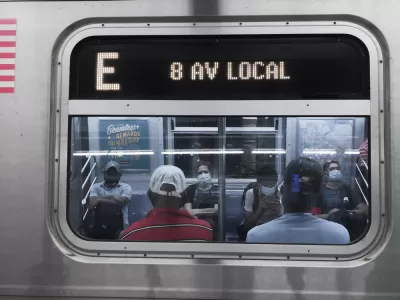
“Few good ideas have been resisted as loudly as New York’s plan to charge a toll to drivers entering Manhattan ($15 for most) and use the money to improve public transit,” writes Liza Featherstone in The New Republic.
Although New York’s policy does still have flaws that must be fixed—insufficient exemptions for low-income drivers, for instance—the populist argument against congestion pricing is mostly disingenuous. Only 4 percent of outer-borough New Yorkers drive to Manhattan to work; 57 percent take public transit. And only 2 percent of low-income outer-borough New Yorkers, specifically, would be asked to pay a congestion fee as part of their commute; 61 percent take public transit.
For the policy to gain and maintain public support, Featherstone writes that a large number of New Yorkers must experience its benefits quickly — meaning, better transit service and reduced congestion. “Public transit is one of the least abstract political issues for New Yorkers, affecting where we can work, whether we can get there in time, and whether we can pick up our kids on time at the end of the day.” This is why, Featherstone writes, the ‘Get Congestion Pricing Right’ proposal from Assemblyman Zohran Mamdani, which calls for making an additional 15 bus routes free and increasing bus frequency, could make the difference in how the program is received.
Read the full story: How to Fix New York City’s Latest Controversial Policy

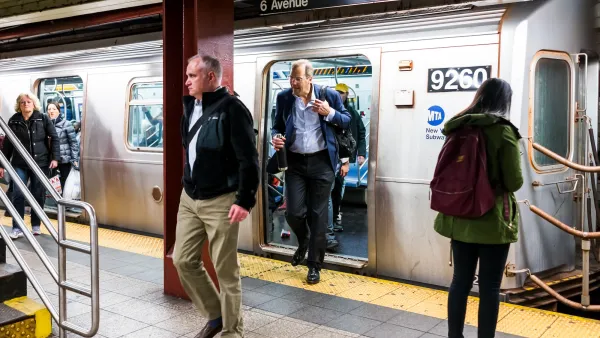
NYC to Upgrade 1/3 of its Subway Car Fleet
The MTA is seeking proposals for up to 2,390 new subway cars to upgrade its aging fleet.
Judge Extends NYC Congestion Pricing Through at Least June 9
A federal judge halted the Trump administration’s effort to kill the program, which remains in limbo as a lawsuit filed by the MTA moves forward.
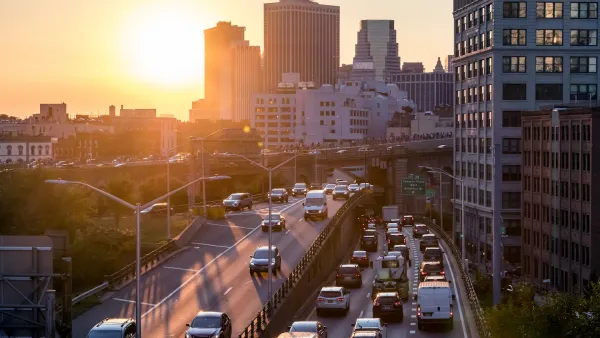
USDOT Threatens to Pull New York Highway Funding
The Trump administration wants the state to kill New York City’s congestion pricing program despite its demonstrated success.

Planetizen Federal Action Tracker
A weekly monitor of how Trump’s orders and actions are impacting planners and planning in America.

The state-sanctioned urbicide of Austin
People don’t kill cities. Freeways do.

Colorado’s Largest Data Center Could Rise Next to Homes — Without a Public Hearing
The proposed campus would consume 11 times the power of Denver International Airport; as it has across the country, opposition mounts.

Judges permit Denver to divert 77,000 acre feet from the Colorado River for reservoir expansion
Overuse and climate change have caused the Colorado River’s water levels to plummet.
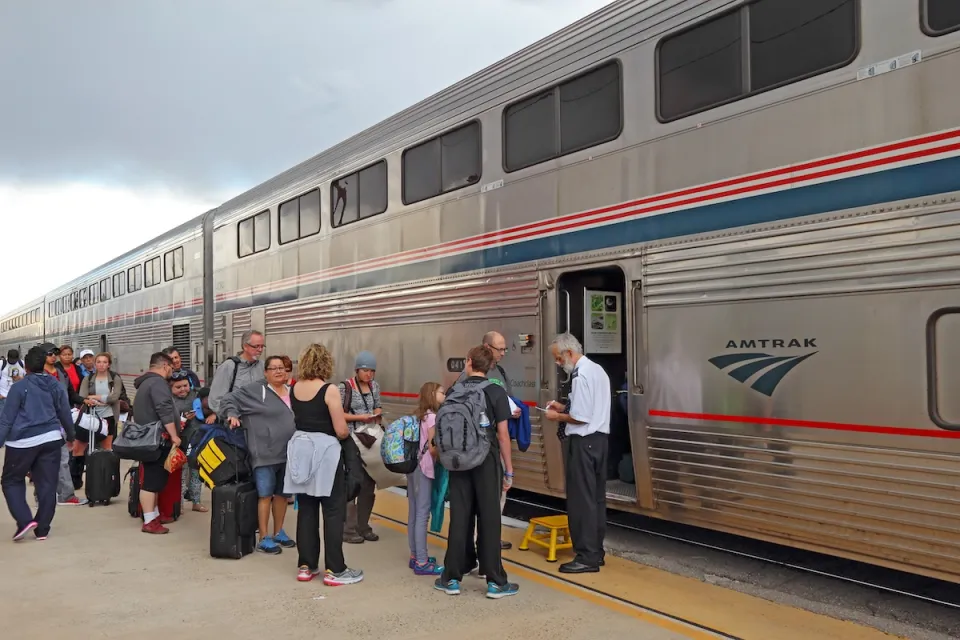
Amtrak, CN end decades-long dispute with eight-year agreement
The new operating agreement establishes an updated framework for the companies to work together, including processes to resolve disputes.
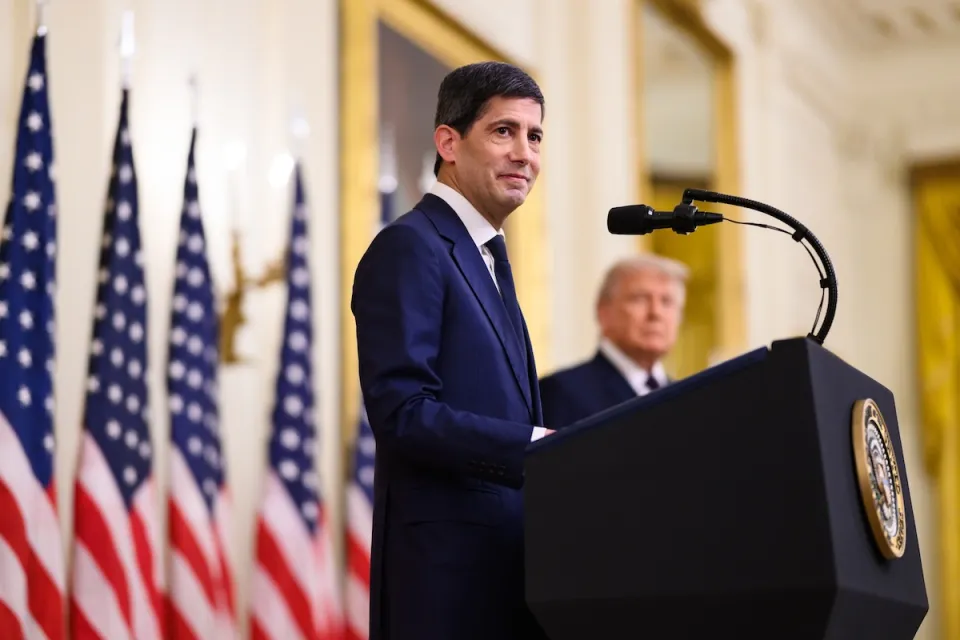
Raised interest rates may kill financially vulnerable construction projects
The chief economist at ConstructConnect warns that if construction project owners are negatively impacted by the raised rates, it could result in delayed payments to contractors.

FREE Course: Walkable City 1: Why Walkability?
After describing his path towards focusing on walkability as the essence of good planning, Jeff Speck marches through his five principal reasons for making more walkable places.
Reinventing Malls: Planning Alchemy—Turning Gray Fields Into Gold
The course focuses on the opportunities and imperatives that shape reinvention of mall sites.

KFH Group Inc.
Greater Baltimore Committee
Eagle County Government
The Architects Foundation
University of Cincinnati Online
The Pocatello Development Authority
The Urban Renewal Agency of the City of Pocatello