The city approved changes called for by a May resolution that eliminate parking requirements in all neighborhoods.


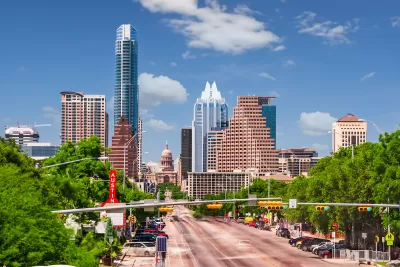
Austin became one of the largest U.S. cities to eliminate parking requirements citywide, reports Audrey McGlinchy for KUT News. Earlier this year, the city council voted in favor of a resolution tasking city staff with removing parking requirements from city code. The revised rules were approved last week.
According to the article, “City rules still require builders to provide parking spots for disabled people, per the Americans with Disabilities Act. In addition, special zoning districts within the city would still be under the city’s former parking minimum rules, including neighborhoods like Hyde Park.”
The city hopes the move will help nudge more people toward public transit as well as create more affordable housing. “In Austin, city departments say one parking spot can cost a developer anywhere from $5,000 to $60,000, depending on whether they’re building a surface parking lot or a concrete garage.”
Read the full story: Austin becomes one of the largest cities in the country to get rid of parking requirements
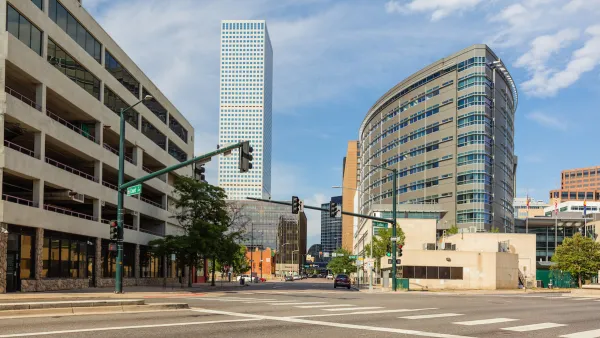
Colorado Bill Would End Minimum Parking Requirements
Supporters of the bill say eliminating parking mandates would make housing more affordable and reduce carbon emissions.
Parking Reform Pays Off With Lower Rent Costs
Research continues to show that adjusting parking requirements to align with demand can lower the cost of housing.

Austin as a Model for Parking Reform
The Texas capital’s new parking law signals a shift in thinking about the relationship between land use, transportation, and housing affordability.

Planetizen Federal Action Tracker
A weekly monitor of how Trump’s orders and actions are impacting planners and planning in America.

Washington state to charge fee to drivers with fuel-efficient cars
Revenue from the fee will go towards supporting the state’s highways.

Trump to blast ‘hydrocarbon highway’ through ‘world’s longest art gallery’
Environmental and historic preservation groups are suing to stop the project.

MBTA Green Line project moved to next phrase of CIG program
The modernization effort will cost $4.08 billion.

22-mile pedestrian and bike path to encircle Atlanta by 2030
The project will also support affordable housing.

Army detonates nearly 5 tons of lead in Iowa
The detonation comes after days of delays and public outcry.

FREE Course: Walkable City 1: Why Walkability?
After describing his path towards focusing on walkability as the essence of good planning, Jeff Speck marches through his five principal reasons for making more walkable places.
Reinventing Malls: Planning Alchemy—Turning Gray Fields Into Gold
The course focuses on the opportunities and imperatives that shape reinvention of mall sites.

City of Charlotte
City of Rosemead
Rutgers University, Edward J. Bloustein School of Planning and Public Policy
University of Michigan School for Environment and Sustainability (SEAS)
Hunter College, City University of New York (CUNY)
The Architects Foundation
University District Partnership