In a historic day for public transit, Skyline Rail, a project once deemed the worst transit project in the United States due to extreme cost overruns and construction delays, finally opened to the public at the end of June.


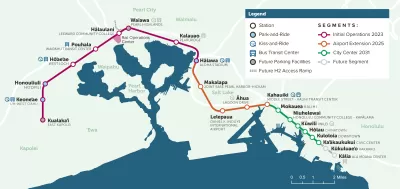
The Honolulu Rail Transit Project, now named Skyline Rail, opened to the public on Friday, June 30, culminating a half century of planning and overcoming serious obstacles with delays and funding shortfalls in the final years.
Honolulu’s new rail service “seemed a near impossibility just 2-1/2 years ago when it was digging a deeper financial hole and federal transit officials had lost faith and were withholding millions of dollars in badly needed funding,” reports Dan Nakaso in a paywalled article for the Star Advertiser.
The opening is just the first phase of a $9.8 billion plan. Nakaso’s article focuses mostly on how the Honolulu Authority for Rapid Transportation and city leadership overcame funding obstacles to get this first leg of the project open, including adopting a new county hotel tax aimed at tourists, approved by the State Legislature, and reducing the scope of the project. A 2012 iteration of the plan called for the entire project to span 20 miles and include 21 stations, from East Kapolei to Ala Moana Center. The current plan will build 19 stations and 18.75 miles of track, ending in Kakaako at the Civic Center Station, or Ka‘akaukukui.
The paywalled article, linked again below, also offers more guidance on the how to use the system, including info about parking (there is only limited parking available at three of the new stations). According to a separate article by Hawaii News Now, 9,000 people rode Skyline on its first day of service to the public.
FULL STORY: Honolulu’s Skyline is ready to roll


Honolulu Light Rail to Open in June
The city’s first light rail line will finally begin service after more than a half century of planning.
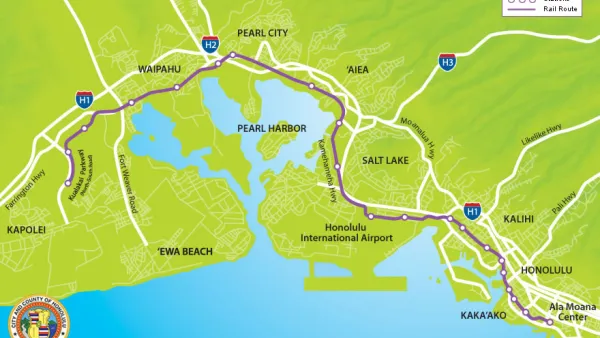
Honolulu Rail Cost Overruns Now Exceed $1 Billion
Add another $200 million to the $910 million shortfall already facing Honolulu's rail project. The changing circumstances surrounding the project won't make it any easier to create a viable funding plan to make up the difference.
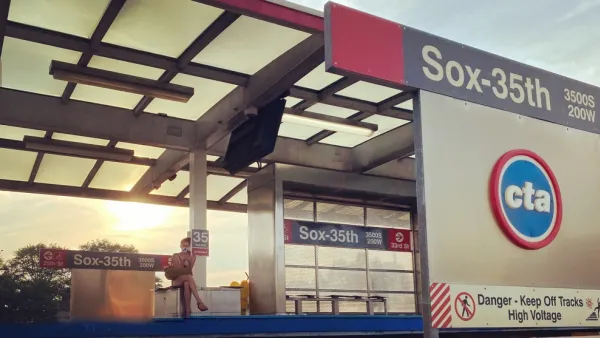
$2 Billion Federal Grant for Red Line Extension Project to Chicago’s South Side
A plan to extend the Chicago Transit Authority (CTA) Red Line 5.6 miles to the south won a $2 billion grant from the federal government.

The state-sanctioned urbicide of Austin
People don’t kill cities. Freeways do.

US to reduce Colorado River water deliveries to Mexico
A new Colorado Treaty amendment reduces Mexico’s Colorado River water allocation by 250,000 acre feet.

New Jersey’s second-largest city bans standalone data centers
Jersey City will continue to allow co-location facilities, such as those meant for research institutions that store their own data.

Amtrak not solely to blame for New Jersey commuter rail's unreliability, report finds
A new study from the Garden State Initiative found that NJ Transit’s budget grew 20% across a 4 year period, but reliability declined significantly over the same period.

EPA erases limits on planet-warming pollution from power plants
Under Monday’s plan, power plants would still have some limits on how much mercury, arsenic and other contaminants they can emit.

Phoenix announces new on-demand transit service, more frequent RAPID buses
Both new services will launch in October, and are part of Phoenix's Project Effective Access Solutions for Easing Congestion.

FREE Course: Walkable City 1: Why Walkability?
After describing his path towards focusing on walkability as the essence of good planning, Jeff Speck marches through his five principal reasons for making more walkable places.
Reinventing Malls: Planning Alchemy—Turning Gray Fields Into Gold
The course focuses on the opportunities and imperatives that shape reinvention of mall sites.

Eagle County Government
Harvard University Graduate School of Design
Nashville Planning Department
The Architects Foundation
University of Cincinnati Online
The Pocatello Development Authority
The Urban Renewal Agency of the City of Pocatello
Journal of the American Planning Association