The city is working toward its goal to fully convert its transit fleet to electric buses by 2040.


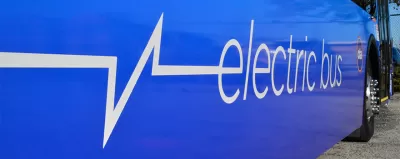
Chicago’s bus fleet is gaining 22 new electric buses, according to an article in Mass Transit Magazine. The move is part of the Chicago Transit Authority’s (CTA) effort to replace its fossil fuel-powered buses with an all-electric fleet by 2040.
“On June 16, the Chicago Transit Board authorized the exercising of a contract option for the purchase of additional standard, 40-foot electric buses, valued at $26.2 million. The original contract, which was awarded to Proterra in 2018 following a competitive procurement process, had a base order of 23 standard, electric buses, as well as an option to purchase up to 25 additional electric buses.”
The new buses are funded through “a federal Congestion Mitigation and Air Quality grant and funds from the Regional Transportation Authority of Northeastern Illinois.”
Electric buses will reduce carbon emissions, provide a smoother ride, and reduce street noise, which can have serious impacts on public health. In addition to buying new buses, converting the fleet to electric will require an overhaul of operational and maintenance infrastructure.
Read the full story: CTA plans to nearly double all-electric bus fleet
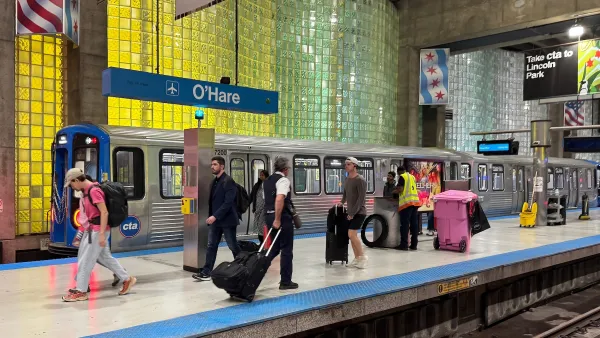
Costumed Chicagoans try to 'Catch That Train' in new viral trend
Residents are donning costumes and running to board CTA trains in a whimsical nod to the age-old problem of missing your train.
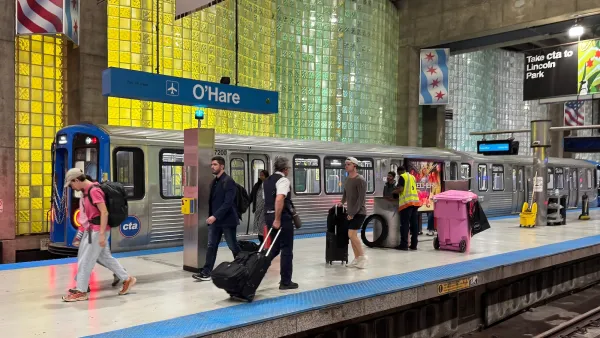
CTA underestimated Chicago transit ridership by 19 million trips
The agency is moving from using farebox data and manual video reviews to automatic counters that more accurately measure the total number of riders, whether or not they pay full fares.
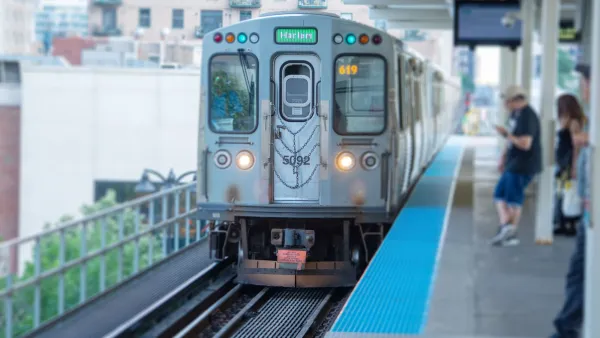
Chicago Transit Authority to Boost Policing Hours by 75%
In December, federal officials tasked the CTA to develop an enhanced security plan or risk losing federal funding.

Planetizen Federal Action Tracker
A weekly monitor of how Trump’s orders and actions are impacting planners and planning in America.

California plans to bury El Niño’s downpour
If the state plays its cards right, it may be able to store a billion acre-feet of El Niño’s water in aquifers.

Desperate measures: Advocates weigh draining Lake Powell to fill Colorado River
Draining the reservoir could reduce evaporation losses by a couple hundred thousand acre-feet.

Housing is the top priority of Seattle’s sole new councilmember
Jenks campaigned on building 1,000 new units of affordable housing.

New tax cuts may slash $1.5 billion in funding for Miami transit, public parks
Amendment 3 will save Miami-Dade homeowners $2,700 in 2028.

Arizona, Wisconsin, Pennsylvania hope to finally advance climate goals post-midterms
The three states have spent years under Republican or divided control.

FREE Course: Walkable City 1: Why Walkability?
After describing his path towards focusing on walkability as the essence of good planning, Jeff Speck marches through his five principal reasons for making more walkable places.
Reinventing Malls: Planning Alchemy—Turning Gray Fields Into Gold
The course focuses on the opportunities and imperatives that shape reinvention of mall sites.

City of Rosemead
Rutgers University, Edward J. Bloustein School of Planning and Public Policy
One Hundred Miles
University of Michigan School for Environment and Sustainability (SEAS)
Hunter College, City University of New York (CUNY)
The Architects Foundation
City of Cambridge
Montrose County
The Pocatello Development Authority